THE ADVENTURE COLLECTIVE® · Independent discovery and booking for outdoor travel

Explore Gyeongju’s Silla-era marvels on an 8-hour private tour that visits Bulguksa, Seokguram and historic palace sites. This practical day trip blends guided history with short walks, cultural insight, and skip-the-line access.
Explore Gyeongju’s Silla-era marvels on an 8-hour private tour that visits Bulguksa, Seokguram and historic palace sites. This practical day trip blends guided history with short walks, cultural insight, and skip-the-line access.
The morning air on Tohamsan smells of cold stone and pine as the minivan eases up the mountain road toward Seokguram. In the hush before crowds arrive, the granite grotto sits like a quiet guardian, the carved Buddha turning its face to the sea. Later the driver threads wide avenues of Gyeongju where low earthen mounds—royal tombs—rise from grass like watchful old men.
Verified experiences and guided adventures in the surrounding area.
Operated by Busan Tourism Center · Gyeongju, North Gyeongsang
The morning air on Tohamsan smells of cold stone and pine as the minivan eases up the mountain road toward Seokguram. In the hush before crowds arrive, the granite grotto sits like a quiet guardian, the carved Buddha turning its face to the sea. Later the driver threads wide avenues of Gyeongju where low earthen mounds—royal tombs—rise from grass like watchful old men.
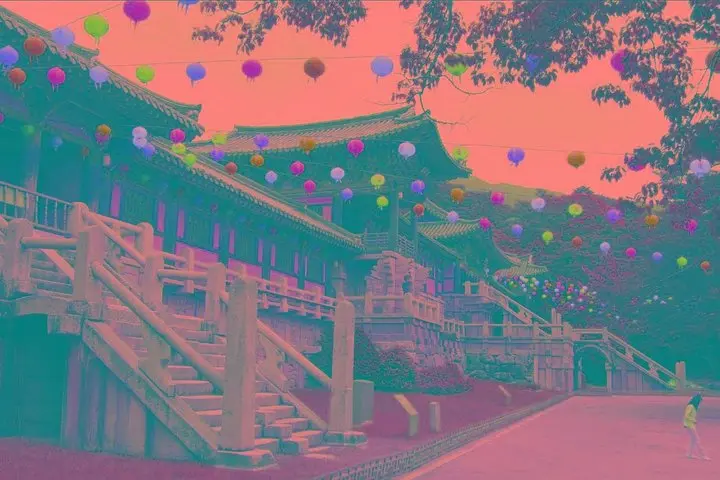
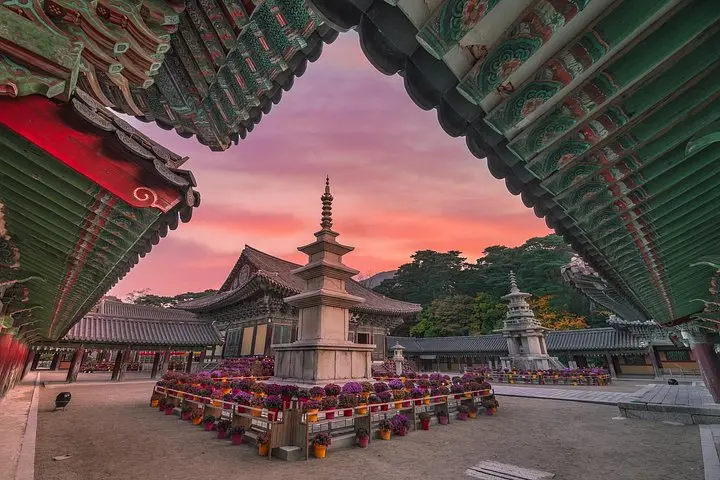
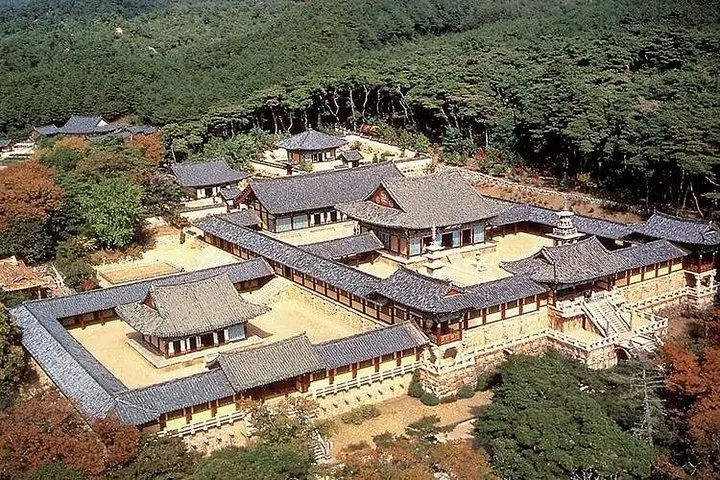
Gyeongju was the capital of the Silla Kingdom for nearly a millennium; the city’s UNESCO sites (Bulguksa temple and Seokguram grotto) date from the 8th century and represent remarkable Korean stonework and Buddhist artistry. The landscape is volcanic and sedimentary—granite outcrops, low hills, and reclaimed palace ponds—so the walk between sites alternates paved courtyards with short steps and shaded lanes.
Culturally, expect temple rituals, stone pagodas, and hanok architecture in Gyochon Village. Locals revere these sites for both ritual and identity; preservation efforts are active and visible at major monuments.
Practical guide: this private, 8-hour tour uses an air-conditioned vehicle and includes entrance fees, bottled water, and pick-up options from Busan or Gyeongju. Wear comfortable walking shoes and bring a light layer for mountain breezes; early starts avoid the hottest hours and the longest lines. Respect temple etiquette—modest dress and quiet inside sanctuaries—and plan for several short climbs and stepped approaches at Seokguram and Bulguksa. Photographs are welcome in most outdoor areas but follow posted signs inside sacred spaces. With a good guide, the day is a compact, off-road history lesson that leaves room for slow, intentional observation.
Yes—pickup and drop-off can be arranged from designated points in Busan or Gyeongju; confirm your pickup point when booking.
Yes—entrance to Bulguksa and Seokguram and other listed sites are included in the tour price.
Children can join; some areas have steps and uneven paths so strollers may be difficult on certain approaches—infants often sit on laps.
Bottled water is provided; eating inside temple courtyards is discouraged—use designated rest or café areas in town.
Busan Tourism Center operates guided outdoor trips and adventures with an emphasis on safety, stewardship, and memorable experiences.
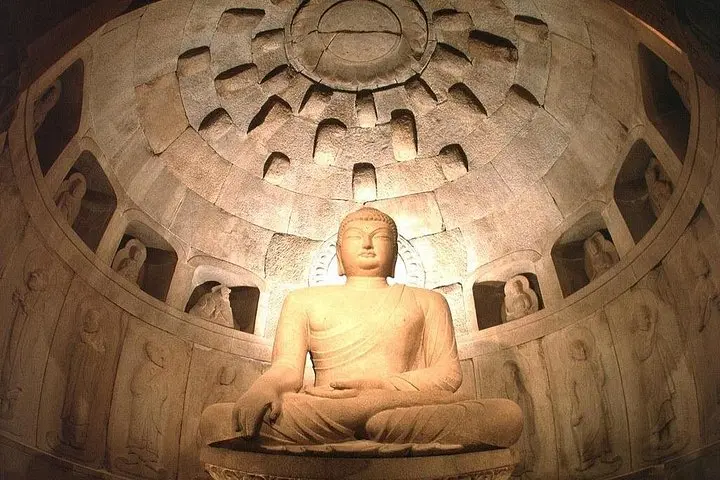
The morning air on Tohamsan smells of cold stone and pine as the minivan eases up the mountain road toward Seokguram. In the hush before crowds arrive, the granite grotto sits like a quiet guardian, the carved Buddha turning its face to the sea. Later the driver threads wide avenues of Gyeongju where low earthen mounds—royal tombs—rise from grass like watchful old men.
The morning air on Tohamsan smells of cold stone and pine as the minivan eases up the mountain road toward Seokguram. In the hush before crowds arrive, the granite grotto sits like a quiet guardian, the carved Buddha turning its face to the sea. Later the driver threads wide avenues of Gyeongju where low earthen mounds—royal tombs—rise from grass like watchful old men.
Gyeongju was the capital of the Silla Kingdom for nearly a millennium; the city’s UNESCO sites (Bulguksa temple and Seokguram grotto) date from the 8th century and represent remarkable Korean stonework and Buddhist artistry. The landscape is volcanic and sedimentary—granite outcrops, low hills, and reclaimed palace ponds—so the walk between sites alternates paved courtyards with short steps and shaded lanes.
Culturally, expect temple rituals, stone pagodas, and hanok architecture in Gyochon Village. Locals revere these sites for both ritual and identity; preservation efforts are active and visible at major monuments.
Practical guide: this private, 8-hour tour uses an air-conditioned vehicle and includes entrance fees, bottled water, and pick-up options from Busan or Gyeongju. Wear comfortable walking shoes and bring a light layer for mountain breezes; early starts avoid the hottest hours and the longest lines. Respect temple etiquette—modest dress and quiet inside sanctuaries—and plan for several short climbs and stepped approaches at Seokguram and Bulguksa. Photographs are welcome in most outdoor areas but follow posted signs inside sacred spaces. With a good guide, the day is a compact, off-road history lesson that leaves room for slow, intentional observation.