
Private Hakata Port Pickup: 6-Hour Custom Fukuoka City Tour with Licensed Guide
Arrive at Hakata Port and let a licensed local guide turn six hours into a customizable primer on Fukuoka — temples, yatai food, waterfront views, and hidden viewpoints. Choose 2–3 sites and get an efficient, insider-led tour optimized for timing and interests.
An Adventure In Fukuoka.
Arrive at Hakata Port and let a licensed local guide turn six hours into a customizable primer on Fukuoka — temples, yatai food, waterfront views, and hidden viewpoints. Choose 2–3 sites and get an efficient, insider-led tour optimized for timing and interests.
Read the full experience
The van eases away from the Hakata pier and the city opens like a map folded into new shapes: low-slung merchant warehouses give way to temple roofs, a ribbon of water glinting beside reclaimed waterfront parks. A government-licensed guide, fluent in English, sets the pace — pragmatic, informed, ready to tailor the next six hours to whatever the traveler wants to see.
The van eases away from the Hakata pier and the city opens like a map folded into new shapes: low-slung merchant warehouses give way to temple roofs, a ribbon of water glinting beside reclaimed waterfront parks. A government-licensed guide, fluent in English, sets the pace — pragmatic, informed, ready to tailor the next six hours to whatever the traveler wants to see.
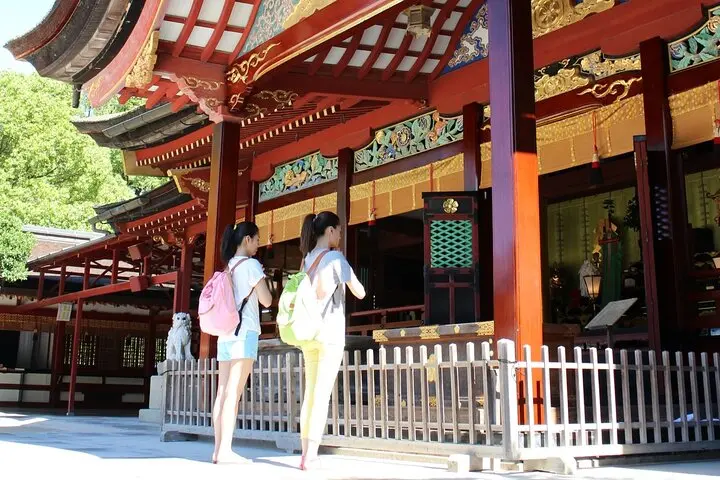
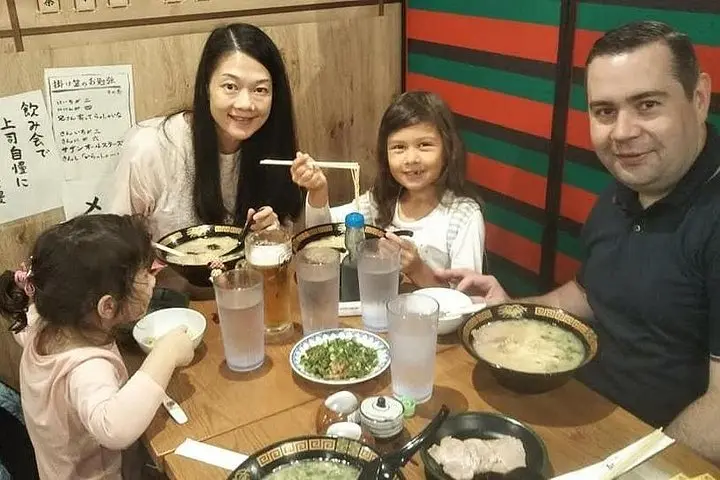
Hakata’s story is maritime: a gateway for trade with Korea and China since medieval times, marked by shrines like Kushida-jinja and the wooden frameworks of Tochoji. Geology here is gentle — low coastal plains that meet Hakata Bay, with ancient river channels like the Naka whispering through the city. Culture is a living thing: the Hakata Gion Yamakasa festival still charges the streets each July, and the yatai stalls along Nakasu serve ramen and conversation as naturally as landmarks.
Practical guidance is simple. Pick two to three preferred stops from the suggested list — castle ruins, Kyushu National Museum, Ohori Park, Itoshima coast — and let the guide optimize route and timing. Expect short easy walks at temples or markets, brief photos at viewpoints like Fukuoka Tower, and relaxed time for a market lunch at Yanagibashi. The tour vehicle handles transfers and most city parking; bring comfortable shoes, a light rain layer in spring or typhoon season, and yen for small admission fees and food.
This is a low-effort, high-context way to get oriented: efficient logistics with the depth of a local interpreter so visitors leave with both directions and stories to follow.
Frequently asked questions
Yes — the tour explicitly provides port pickup from Hakata Port; you’ll confirm your ship arrival and disembark time during booking.
Plan on visiting 2–3 main sites with time for short walks and a market lunch; the guide will recommend an efficient sequence based on locations.
Yes — the vehicle and many sites listed are wheelchair and stroller accessible, but check specific shrine or garden access ahead for steps or uneven ground.
Most city sights are listed as NOT_APPLICABLE for admission; expect to pay separate entrance fees where required and bring cash or card.
About This Experience
Japan Guide Agency operates guided outdoor trips and adventures with an emphasis on safety, stewardship, and memorable experiences.
Adventure tips
Recommended gear
- Comfortable walking shoes: Support for short urban walks, temple steps, and market aisles.
- Light rain jacket: Protects against sudden showers common in spring and during typhoon season.
- Small cash (yen): Needed for market food, small purchases, and some shrine donations.
- Portable charger: Keeps phone and camera powered for navigation, photos, and translation apps.
Photos of the experience
Related adventures & guides
Read the full experience
The van eases away from the Hakata pier and the city opens like a map folded into new shapes: low-slung merchant warehouses give way to temple roofs, a ribbon of water glinting beside reclaimed waterfront parks. A government-licensed guide, fluent in English, sets the pace — pragmatic, informed, ready to tailor the next six hours to whatever the traveler wants to see.
The van eases away from the Hakata pier and the city opens like a map folded into new shapes: low-slung merchant warehouses give way to temple roofs, a ribbon of water glinting beside reclaimed waterfront parks. A government-licensed guide, fluent in English, sets the pace — pragmatic, informed, ready to tailor the next six hours to whatever the traveler wants to see.
Hakata’s story is maritime: a gateway for trade with Korea and China since medieval times, marked by shrines like Kushida-jinja and the wooden frameworks of Tochoji. Geology here is gentle — low coastal plains that meet Hakata Bay, with ancient river channels like the Naka whispering through the city. Culture is a living thing: the Hakata Gion Yamakasa festival still charges the streets each July, and the yatai stalls along Nakasu serve ramen and conversation as naturally as landmarks.
Practical guidance is simple. Pick two to three preferred stops from the suggested list — castle ruins, Kyushu National Museum, Ohori Park, Itoshima coast — and let the guide optimize route and timing. Expect short easy walks at temples or markets, brief photos at viewpoints like Fukuoka Tower, and relaxed time for a market lunch at Yanagibashi. The tour vehicle handles transfers and most city parking; bring comfortable shoes, a light rain layer in spring or typhoon season, and yen for small admission fees and food.
This is a low-effort, high-context way to get oriented: efficient logistics with the depth of a local interpreter so visitors leave with both directions and stories to follow.
Make a day of it nearby.
Verified experiences and guided adventures in the surrounding area.