THE ADVENTURE COLLECTIVE® · Independent discovery and booking for outdoor travel

Explore Casablanca in a focused, private half‑day: from the soaring Hassan II Mosque to the coastal Ain Diab Corniche and the market lanes of Habous. This tour blends architecture, history and seaside views with practical transport and a licensed guide.
Explore Casablanca in a focused, private half‑day: from the soaring Hassan II Mosque to the coastal Ain Diab Corniche and the market lanes of Habous. This tour blends architecture, history and seaside views with practical transport and a licensed guide.
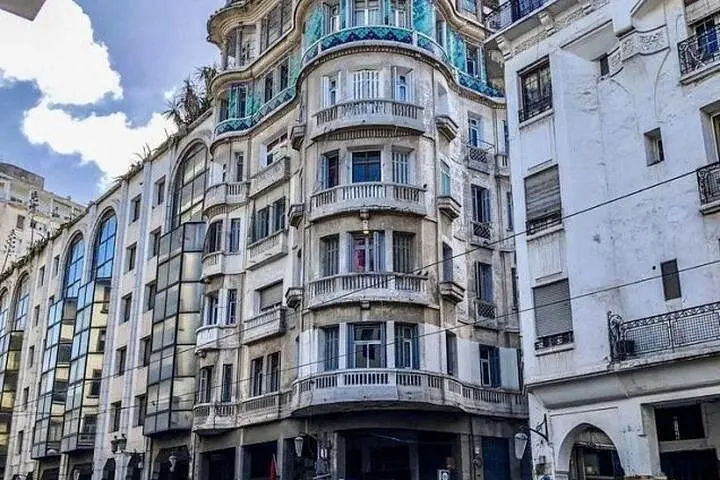
You step out of an air‑conditioned car and the Atlantic wind meets you like a briefing: cool, insistent, pulling your attention toward the mosque’s minaret and the long sweep of the Corniche. The guide folds a map into stories—French protectorate planning, royal commissions—and the city’s layered character reveals itself in blocky Art Deco facades, the quiet courtyards of Habous, and the clatter of market life at Marche Central.
Verified experiences and guided adventures in the surrounding area.
Operated by Excelance Trans · Casablanca, Casablanca-Settat
You step out of an air‑conditioned car and the Atlantic wind meets you like a briefing: cool, insistent, pulling your attention toward the mosque’s minaret and the long sweep of the Corniche. The guide folds a map into stories—French protectorate planning, royal commissions—and the city’s layered character reveals itself in blocky Art Deco facades, the quiet courtyards of Habous, and the clatter of market life at Marche Central.
Casablanca’s modern core rose in the 20th century when French planners reimagined a port city; Hassan II Mosque, completed in 1993, sits partly over reclaimed rock and showcases contemporary Moroccan craftsmanship—zellij tile, carved cedar, and a 210‑meter minaret that points to the Atlantic. Geologically, the coast is a band of basalt and sand where tides sculpt rock pools at low water and the sea seems to dare you toward the horizon.
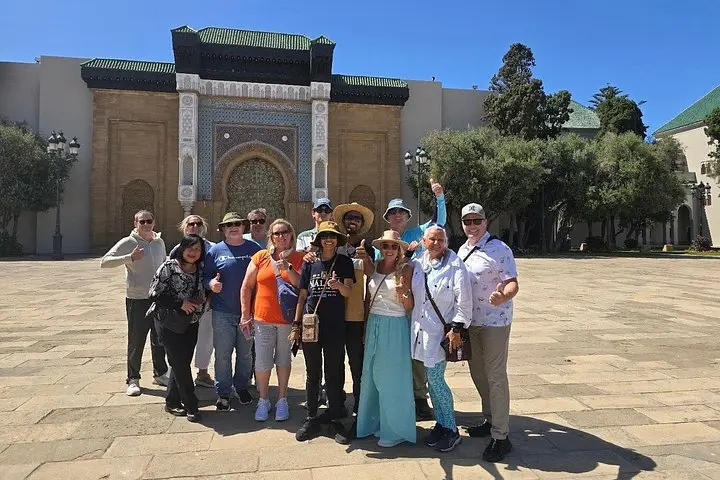
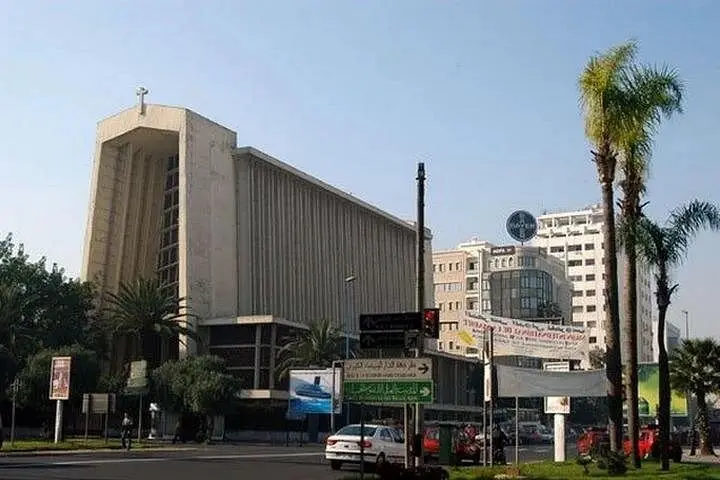
Culture here is public and tactile: souks selling spices, cafés where language shifts between Darija, French and Arabic, and the quiet ritual of prayer visible at mosque entrances. A half‑day private tour covers key sites—Hassan II Mosque, Habous quarter, Mohammed V Square, the Cathedral and Ain Diab Corniche—while leaving time to pause at a bakery or photograph a seaside sunset.
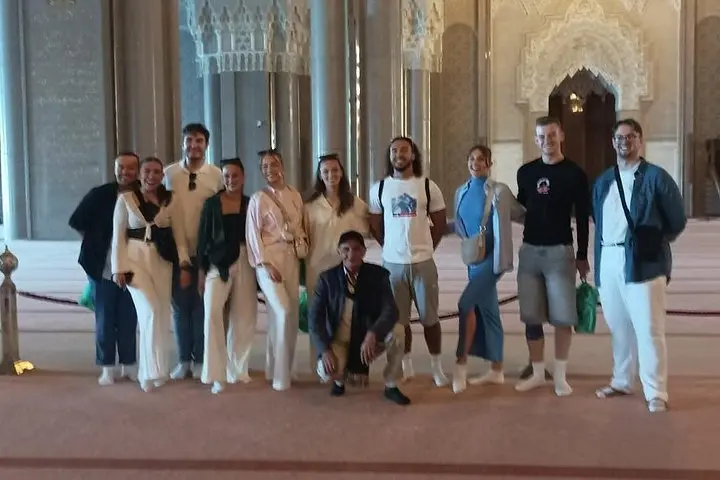
Practicalities: tours include private transport, a licensed guide and driver; mosque entry is allowed for non‑Muslims outside prayer times but often requires a separate ticket. Wear modest clothing for religious sites, carry water and local currency for small purchases, and plan mornings or late afternoons to avoid peak heat and traffic.
Most private tours do not include mosque entrance fees by default; guided entrance to the mosque requires a paid ticket that can usually be arranged on the day.
This private tour includes transportation and typically offers pickup from central hotels or designated meeting points; confirm your pickup when booking.
The provider lists wheelchair accessibility and an air‑conditioned vehicle; however, some historic sites may have steps—notify the operator in advance to arrange access.
Stops are flexible but typically include 45–60 minutes at the Hassan II Mosque, 45–60 minutes in Habous, and shorter visits (15–45 minutes) at other sites across the six‑hour itinerary.
Excelance Trans operates guided outdoor trips and adventures with an emphasis on safety, stewardship, and memorable experiences.
You step out of an air‑conditioned car and the Atlantic wind meets you like a briefing: cool, insistent, pulling your attention toward the mosque’s minaret and the long sweep of the Corniche. The guide folds a map into stories—French protectorate planning, royal commissions—and the city’s layered character reveals itself in blocky Art Deco facades, the quiet courtyards of Habous, and the clatter of market life at Marche Central.
You step out of an air‑conditioned car and the Atlantic wind meets you like a briefing: cool, insistent, pulling your attention toward the mosque’s minaret and the long sweep of the Corniche. The guide folds a map into stories—French protectorate planning, royal commissions—and the city’s layered character reveals itself in blocky Art Deco facades, the quiet courtyards of Habous, and the clatter of market life at Marche Central.
Casablanca’s modern core rose in the 20th century when French planners reimagined a port city; Hassan II Mosque, completed in 1993, sits partly over reclaimed rock and showcases contemporary Moroccan craftsmanship—zellij tile, carved cedar, and a 210‑meter minaret that points to the Atlantic. Geologically, the coast is a band of basalt and sand where tides sculpt rock pools at low water and the sea seems to dare you toward the horizon.
Culture here is public and tactile: souks selling spices, cafés where language shifts between Darija, French and Arabic, and the quiet ritual of prayer visible at mosque entrances. A half‑day private tour covers key sites—Hassan II Mosque, Habous quarter, Mohammed V Square, the Cathedral and Ain Diab Corniche—while leaving time to pause at a bakery or photograph a seaside sunset.
Practicalities: tours include private transport, a licensed guide and driver; mosque entry is allowed for non‑Muslims outside prayer times but often requires a separate ticket. Wear modest clothing for religious sites, carry water and local currency for small purchases, and plan mornings or late afternoons to avoid peak heat and traffic.