THE ADVENTURE COLLECTIVE® · Independent discovery and booking for outdoor travel

Walk between Al Seef, Al Fahidi and the old souks on a private half-day tour that pairs cultural context with hands-on market time. Expect flat, paved walking, optional abra crossings, and a close look at Dubai’s trading roots.
Walk between Al Seef, Al Fahidi and the old souks on a private half-day tour that pairs cultural context with hands-on market time. Expect flat, paved walking, optional abra crossings, and a close look at Dubai’s trading roots.
Morning light slides along Dubai Creek, turning the water into a ribbon of brass as the city wakes around its edges. On this half-day private walking tour, the creek nudges you forward—abras bobbing, vendors arranging spices, and wind towers in Al Fahidi channeling a centuries-old rhythm into narrow lanes.
Verified experiences and guided adventures in the surrounding area.
Operated by Happy Land Tourism · Dubai, Dubai
Morning light slides along Dubai Creek, turning the water into a ribbon of brass as the city wakes around its edges. On this half-day private walking tour, the creek nudges you forward—abras bobbing, vendors arranging spices, and wind towers in Al Fahidi channeling a centuries-old rhythm into narrow lanes.
The route threads Al Seef’s restored waterfront, the low-rise coral-and-plaster buildings of Al Fahidi (Bastakiya), and the textile, spice and gold souks on both banks of the creek. Geology here is subtle: reclaimed coastal flats and tidal channels shaped trade routes, and the built heritage reflects an economy rooted in pearling and regional commerce long before modern high-rises. Culturally, the district is where Emirati history and immigrant merchant networks intersect—museums, art galleries and wind towers speak to adaptive design in a hot, arid climate.
Expect 3–5 km of mostly flat, paved streets and tight alleyways with brief stair sections in heritage buildings; total elevation gain is negligible. The pace balances walking with market stops and an optional short abra ride across the creek. Photographers will find tight, colorful compositions; shoppers will encounter bargaining culture in the souks.
Practical guidance: schedule early morning or late afternoon to avoid peak heat; wear closed-toe walking shoes for uneven pavement; carry a refillable water bottle (bottled water is usually provided) and sun protection. Respect local dress norms—shoulders covered and shorts at a modest length—and be ready to step aside for busy delivery carts in market lanes. The tour is private and customizable, making it a good fit for travelers who want cultural depth without the pace of a large group.
Expect roughly 3–5 km of walking spread across 4–5 hours; the itinerary includes market stops and brief seated breaks.
Yes—routes are flat and pace is customizable, but inform the operator of mobility needs so the tour can be adapted.
Yes—an abra crossing is typically included or available as an option to experience Dubai Creek from the water.
Some small museums have limited capacity; if you want guaranteed entry it’s best to request reservations when booking the private tour.
Happy Land Tourism operates guided outdoor trips and adventures with an emphasis on safety, stewardship, and memorable experiences.


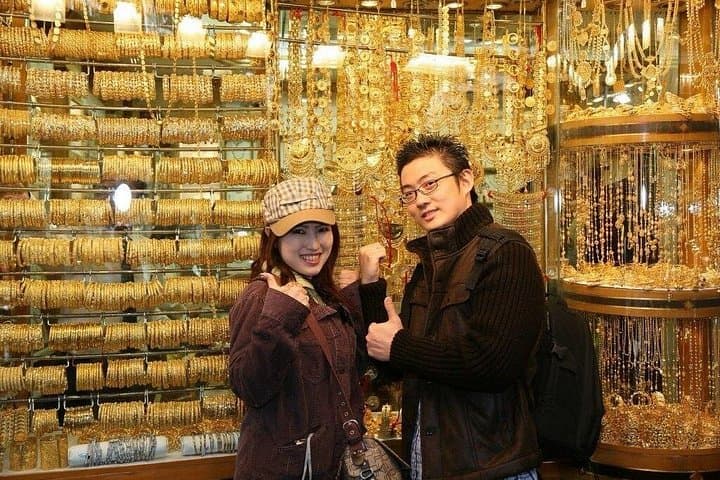
Morning light slides along Dubai Creek, turning the water into a ribbon of brass as the city wakes around its edges. On this half-day private walking tour, the creek nudges you forward—abras bobbing, vendors arranging spices, and wind towers in Al Fahidi channeling a centuries-old rhythm into narrow lanes.
Morning light slides along Dubai Creek, turning the water into a ribbon of brass as the city wakes around its edges. On this half-day private walking tour, the creek nudges you forward—abras bobbing, vendors arranging spices, and wind towers in Al Fahidi channeling a centuries-old rhythm into narrow lanes.
The route threads Al Seef’s restored waterfront, the low-rise coral-and-plaster buildings of Al Fahidi (Bastakiya), and the textile, spice and gold souks on both banks of the creek. Geology here is subtle: reclaimed coastal flats and tidal channels shaped trade routes, and the built heritage reflects an economy rooted in pearling and regional commerce long before modern high-rises. Culturally, the district is where Emirati history and immigrant merchant networks intersect—museums, art galleries and wind towers speak to adaptive design in a hot, arid climate.
Expect 3–5 km of mostly flat, paved streets and tight alleyways with brief stair sections in heritage buildings; total elevation gain is negligible. The pace balances walking with market stops and an optional short abra ride across the creek. Photographers will find tight, colorful compositions; shoppers will encounter bargaining culture in the souks.
Practical guidance: schedule early morning or late afternoon to avoid peak heat; wear closed-toe walking shoes for uneven pavement; carry a refillable water bottle (bottled water is usually provided) and sun protection. Respect local dress norms—shoulders covered and shorts at a modest length—and be ready to step aside for busy delivery carts in market lanes. The tour is private and customizable, making it a good fit for travelers who want cultural depth without the pace of a large group.