THE ADVENTURE COLLECTIVE® · Independent discovery and booking for outdoor travel

Spend a focused half-day on the Giza plateau with an Egyptologist guide — explore the Great Pyramid, Sphinx and Valley Temple with optional pyramid entry. Practical timing, sun-smart tips and cultural context make this a high-value introduction to ancient Egypt.
Spend a focused half-day on the Giza plateau with an Egyptologist guide — explore the Great Pyramid, Sphinx and Valley Temple with optional pyramid entry. Practical timing, sun-smart tips and cultural context make this a high-value introduction to ancient Egypt.
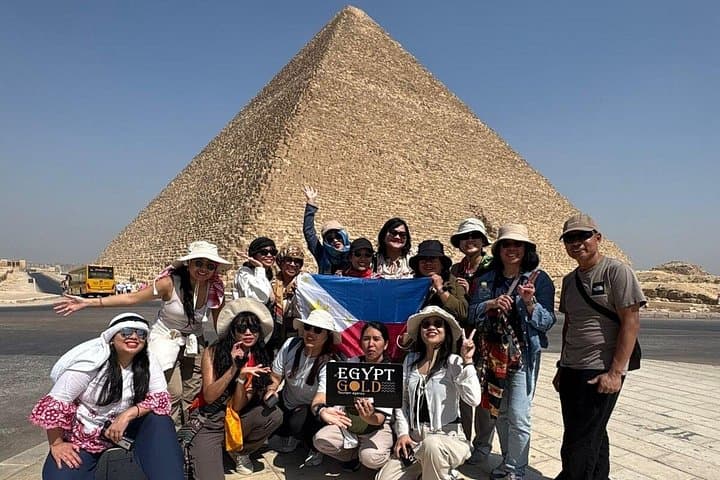
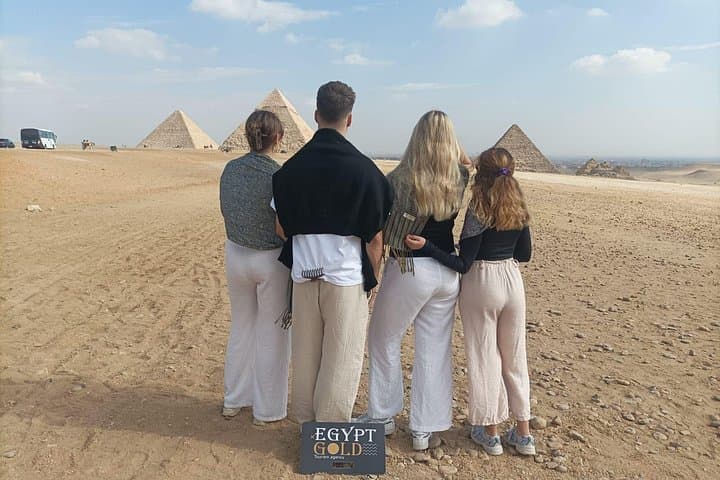
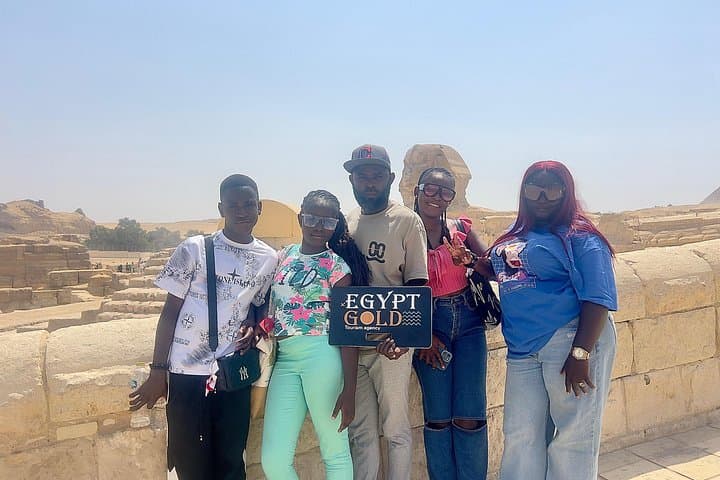
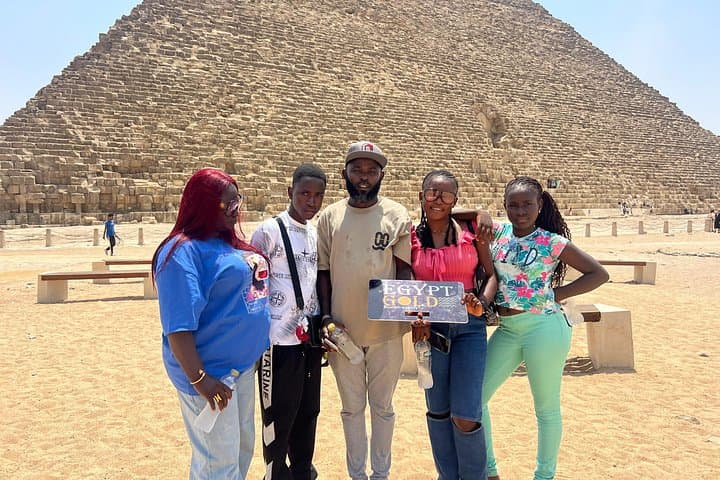
You step off the car and the plateau opens: wind-scoured limestone beneath your boots, the sun throwing the Great Pyramid’s angles into sharp relief, while the Sphinx watches, patient and dust-streaked.
Verified experiences and guided adventures in the surrounding area.
Operated by Egypt Gold · Giza, Cairo Governorate
You step off the car and the plateau opens: wind-scoured limestone beneath your boots, the sun throwing the Great Pyramid’s angles into sharp relief, while the Sphinx watches, patient and dust-streaked.
This half-day private tour puts the core of ancient Egypt within reach — the three main pyramids of Giza, the enigmatic Sphinx, and the ruins of the Valley Temple where mortuary rituals once unfolded. Geologically, the plateau is a shelf of Tura and Mokattam limestones carved by millennia of Nile-driven sedimentation; the stones you see were quarried, moved and set with precision that still puzzles engineers.
Culturally, these monuments were focal points of state religion and royal power around 4,500 years ago; Khufu’s pyramid dominates the skyline, while nearby funerary complexes and the Solar Boat Museum reveal the Egyptians’ afterlife logistics. Expect local color too: camel handlers, hawkers, and guides who can translate hieroglyphs of ritual and commerce into clear narratives.
Practical notes: the tour is roughly five hours door-to-door and involves short walks on uneven, sandy surfaces. Start at first light to avoid heat and crowds, carry at least 1–2 liters of water, sun protection, and comfortable closed-toe shoes. Entry options vary — general plateau admission is standard; upgrades open access into some pyramids but check age and health restrictions. Photography is allowed but be respectful of conservation rules; climbing or touching the monuments is prohibited and enforced. With an Egyptologist guide, you’ll get context that elevates stones into stories — and leave with a vivid sense of place and the logistics to enjoy it safely.
Some packages include general plateau entry with optional tickets for inner-chamber access; upgrades must be booked in advance and are limited.
Basic facilities and small kiosks exist but options are limited — plan for snacks and use facilities in Giza before arrival.
The site has uneven ground and some slopes; wheelchair-accessible transport exists but movement on the plateau may be challenging — notify the operator about accessibility needs.
Tipping is customary for guides and drivers in Egypt; small amounts for local helpers and camel handlers are also common but optional.
Egypt Gold operates guided outdoor trips and adventures with an emphasis on safety, stewardship, and memorable experiences.
You step off the car and the plateau opens: wind-scoured limestone beneath your boots, the sun throwing the Great Pyramid’s angles into sharp relief, while the Sphinx watches, patient and dust-streaked.
You step off the car and the plateau opens: wind-scoured limestone beneath your boots, the sun throwing the Great Pyramid’s angles into sharp relief, while the Sphinx watches, patient and dust-streaked.
This half-day private tour puts the core of ancient Egypt within reach — the three main pyramids of Giza, the enigmatic Sphinx, and the ruins of the Valley Temple where mortuary rituals once unfolded. Geologically, the plateau is a shelf of Tura and Mokattam limestones carved by millennia of Nile-driven sedimentation; the stones you see were quarried, moved and set with precision that still puzzles engineers.
Culturally, these monuments were focal points of state religion and royal power around 4,500 years ago; Khufu’s pyramid dominates the skyline, while nearby funerary complexes and the Solar Boat Museum reveal the Egyptians’ afterlife logistics. Expect local color too: camel handlers, hawkers, and guides who can translate hieroglyphs of ritual and commerce into clear narratives.
Practical notes: the tour is roughly five hours door-to-door and involves short walks on uneven, sandy surfaces. Start at first light to avoid heat and crowds, carry at least 1–2 liters of water, sun protection, and comfortable closed-toe shoes. Entry options vary — general plateau admission is standard; upgrades open access into some pyramids but check age and health restrictions. Photography is allowed but be respectful of conservation rules; climbing or touching the monuments is prohibited and enforced. With an Egyptologist guide, you’ll get context that elevates stones into stories — and leave with a vivid sense of place and the logistics to enjoy it safely.