THE ADVENTURE COLLECTIVE® · Independent discovery and booking for outdoor travel

Privatize a Polynesian canoe for a four‑hour afternoon on Tahiti’s lagoon, snorkeling over wreck sites and finishing in shallow reefs with punch and fruit. This easy, scenic half‑day blends relaxed sailing with hands‑on marine exploration.
Privatize a Polynesian canoe for a four‑hour afternoon on Tahiti’s lagoon, snorkeling over wreck sites and finishing in shallow reefs with punch and fruit. This easy, scenic half‑day blends relaxed sailing with hands‑on marine exploration.
The boat slips away from Papeete’s harbor and the city’s hum thins to a distant heartbeat; a Polynesian canoe with red junk sails casts a long shadow over the lagoon’s glassy surface. Sea air tastes of salt and citrus from the fruit served later, while the captain — also your guide — eases into a relaxed rhythm that sets the pace for the next four hours.
Verified experiences and guided adventures in the surrounding area.
Operated by Balades en double pirogue polynésienne sur le lagon de Tahiti / Water activity on Tahiti · Papeete, Tahiti
The boat slips away from Papeete’s harbor and the city’s hum thins to a distant heartbeat; a Polynesian canoe with red junk sails casts a long shadow over the lagoon’s glassy surface. Sea air tastes of salt and citrus from the fruit served later, while the captain — also your guide — eases into a relaxed rhythm that sets the pace for the next four hours.
Geologically, Tahiti’s lagoon is a shallow shelf formed by coral growth around volcanic basalts; its turquoise shallows give way quickly to chutes and drop-offs where wrecks rest. Culturally, these waters have fed and connected island communities for centuries, and modern excursions blend traditional outrigger design with contemporary safety and comfort.
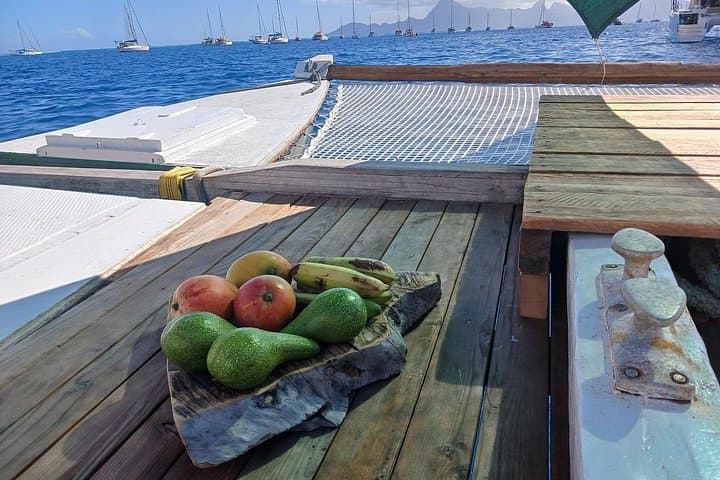
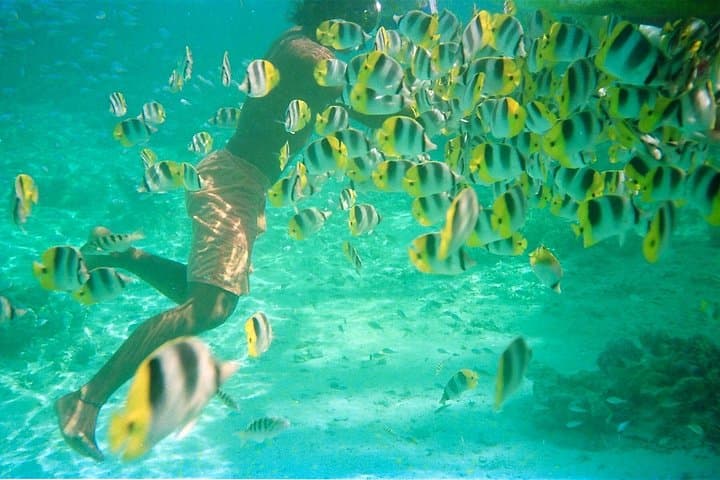
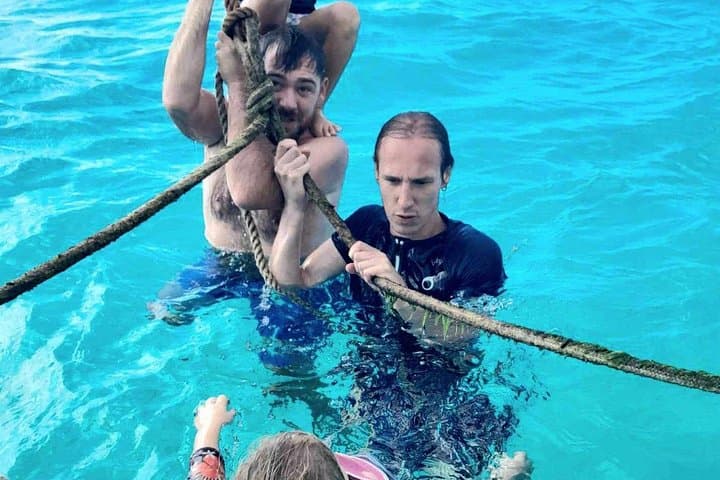
Expect two main stops: a deeper anchorage over wreckage at roughly 10–12 meters, ideal for snorkelers and experienced freedivers to inspect sunken structure and reef life, followed by a shallower bay for lounging, fruit salad and local punch. The guide supplies masks, snorkels and a friendly briefing; guests can bring coolers, picnics and their own gear.
Practical notes: the trip is accessible to most fitness levels but plan for sun exposure and motion on open water. Wear reef-safe sunscreen, bring a towel, reef-safe footwear for slippery decks, and a light windbreaker for spray. Timing matters — midafternoon light is best for visibility but mornings are calmer. Respect reef boundaries, pack out litter, and follow the captain’s safety instructions to keep the lagoon healthy for fish and future visits.
No — basic snorkeling is fine and equipment is provided; deeper wreck areas suit confident swimmers and freedivers.
Yes — children are welcome but must be accompanied by a parent or guardian and follow safety briefings.
The captain/guide speaks English and French.
Yes — you may bring a cooler, picnic and drinks; the tour also provides fruit, juices and local punch at the second stop.
Balades en double pirogue polynésienne sur le lagon de Tahiti / Water activity on Tahiti operates guided outdoor trips and adventures with an emphasis on safety, stewardship, and memorable experiences.
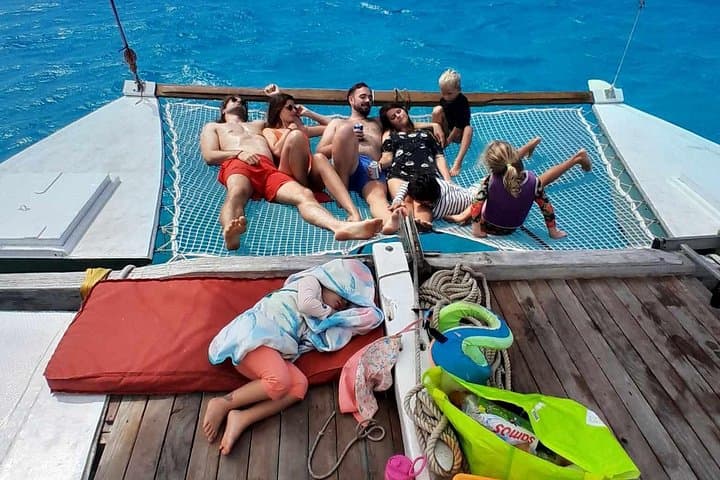
The boat slips away from Papeete’s harbor and the city’s hum thins to a distant heartbeat; a Polynesian canoe with red junk sails casts a long shadow over the lagoon’s glassy surface. Sea air tastes of salt and citrus from the fruit served later, while the captain — also your guide — eases into a relaxed rhythm that sets the pace for the next four hours.
The boat slips away from Papeete’s harbor and the city’s hum thins to a distant heartbeat; a Polynesian canoe with red junk sails casts a long shadow over the lagoon’s glassy surface. Sea air tastes of salt and citrus from the fruit served later, while the captain — also your guide — eases into a relaxed rhythm that sets the pace for the next four hours.
Geologically, Tahiti’s lagoon is a shallow shelf formed by coral growth around volcanic basalts; its turquoise shallows give way quickly to chutes and drop-offs where wrecks rest. Culturally, these waters have fed and connected island communities for centuries, and modern excursions blend traditional outrigger design with contemporary safety and comfort.
Expect two main stops: a deeper anchorage over wreckage at roughly 10–12 meters, ideal for snorkelers and experienced freedivers to inspect sunken structure and reef life, followed by a shallower bay for lounging, fruit salad and local punch. The guide supplies masks, snorkels and a friendly briefing; guests can bring coolers, picnics and their own gear.
Practical notes: the trip is accessible to most fitness levels but plan for sun exposure and motion on open water. Wear reef-safe sunscreen, bring a towel, reef-safe footwear for slippery decks, and a light windbreaker for spray. Timing matters — midafternoon light is best for visibility but mornings are calmer. Respect reef boundaries, pack out litter, and follow the captain’s safety instructions to keep the lagoon healthy for fish and future visits.