THE ADVENTURE COLLECTIVE® · Independent discovery and booking for outdoor travel

Walk Vilakazi Street where Nelson Mandela once lived and hear Soweto’s history told by the neighborhood itself. This private half‑day tour mixes street culture, museums, and a local meal for an immersive introduction to South Africa’s most famous township.
Walk Vilakazi Street where Nelson Mandela once lived and hear Soweto’s history told by the neighborhood itself. This private half‑day tour mixes street culture, museums, and a local meal for an immersive introduction to South Africa’s most famous township.
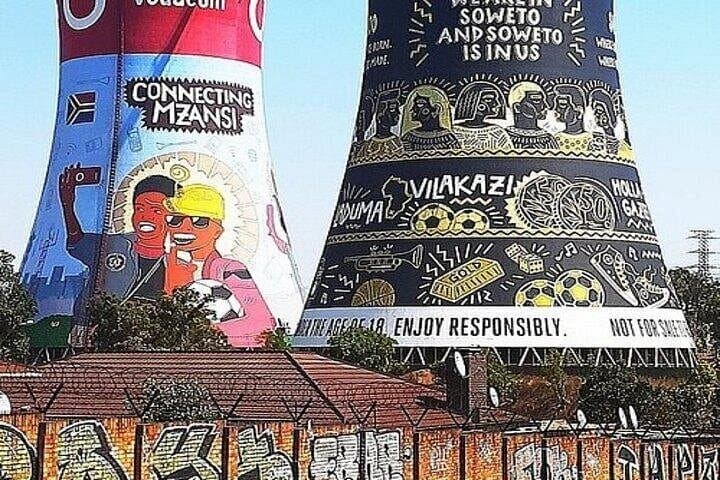
You step from an air-conditioned vehicle into a street alive with conversation, music, and the smell of frying oil — Vilakazi Street’s rhythm grabs you immediately. Vendors call out beside faded house fronts, and painted portraits mark the homes where Nelson Mandela and Archbishop Desmond Tutu once lived. The township’s pulse is urban and human; the tour pulls you into conversations as much as it pulls you toward landmarks.
Verified experiences and guided adventures in the surrounding area.
Operated by Boledi Travel -Tours · Johannesburg, Gauteng
You step from an air-conditioned vehicle into a street alive with conversation, music, and the smell of frying oil — Vilakazi Street’s rhythm grabs you immediately. Vendors call out beside faded house fronts, and painted portraits mark the homes where Nelson Mandela and Archbishop Desmond Tutu once lived. The township’s pulse is urban and human; the tour pulls you into conversations as much as it pulls you toward landmarks.
Soweto began as temporary housing for gold-field laborers on the Highveld plateau and grew into the country’s largest township during apartheid-era segregation. Its streets carry the memory of the 1976 student protests and the long walk to freedom; murals and museums map that political geography. Geologically the area sits on Johannesburg’s high, gently rolling grasslands — no dramatic peaks here, just broad skies and weather that shapes life and rhythm.
Culturally, Soweto blends township shebeens, community choirs, local markets and pop-up food stalls; meals often mean shared tables and sharp, savory flavors. Tours commonly include stopovers at Mandela House and the Hector Pieterson memorial area, plus a chance to sit for a home-cooked meal or a quick drink at a licensed shebeen.
Practical guidance: plan for 1–3 hours, ideally mid-morning or late afternoon to avoid traffic and midday heat. Wear comfortable walking shoes and bring a bottle of water; taxis and private pickup dropoffs are common. Photography is welcome but ask before shooting people. The private format makes this accessible for a range of abilities — confirm any mobility needs in advance and budget time for a relaxed restaurant sit-down.
The private half‑day format runs approximately 1–3 hours depending on your selected itinerary and time spent at stops.
Transportation and many stops are wheelchair accessible, but let the operator know any specific needs when booking.
Most Soweto half‑day tours include a stop at Mandela House on Vilakazi Street, though entry may depend on opening hours and timing.
A restaurant stop or light local meal is commonly part of the experience, but check the specific tour inclusions before booking.
Boledi Travel -Tours operates guided outdoor trips and adventures with an emphasis on safety, stewardship, and memorable experiences.

You step from an air-conditioned vehicle into a street alive with conversation, music, and the smell of frying oil — Vilakazi Street’s rhythm grabs you immediately. Vendors call out beside faded house fronts, and painted portraits mark the homes where Nelson Mandela and Archbishop Desmond Tutu once lived. The township’s pulse is urban and human; the tour pulls you into conversations as much as it pulls you toward landmarks.
You step from an air-conditioned vehicle into a street alive with conversation, music, and the smell of frying oil — Vilakazi Street’s rhythm grabs you immediately. Vendors call out beside faded house fronts, and painted portraits mark the homes where Nelson Mandela and Archbishop Desmond Tutu once lived. The township’s pulse is urban and human; the tour pulls you into conversations as much as it pulls you toward landmarks.
Soweto began as temporary housing for gold-field laborers on the Highveld plateau and grew into the country’s largest township during apartheid-era segregation. Its streets carry the memory of the 1976 student protests and the long walk to freedom; murals and museums map that political geography. Geologically the area sits on Johannesburg’s high, gently rolling grasslands — no dramatic peaks here, just broad skies and weather that shapes life and rhythm.
Culturally, Soweto blends township shebeens, community choirs, local markets and pop-up food stalls; meals often mean shared tables and sharp, savory flavors. Tours commonly include stopovers at Mandela House and the Hector Pieterson memorial area, plus a chance to sit for a home-cooked meal or a quick drink at a licensed shebeen.
Practical guidance: plan for 1–3 hours, ideally mid-morning or late afternoon to avoid traffic and midday heat. Wear comfortable walking shoes and bring a bottle of water; taxis and private pickup dropoffs are common. Photography is welcome but ask before shooting people. The private format makes this accessible for a range of abilities — confirm any mobility needs in advance and budget time for a relaxed restaurant sit-down.