THE ADVENTURE COLLECTIVE® · Independent discovery and booking for outdoor travel

Spend a morning roaming Beiteddine Palace’s frescoed halls and Deir el Qamar’s tight stone streets. This private half-day tour pairs Ottoman-era architecture with village culture and easy mountain scenery.
Spend a morning roaming Beiteddine Palace’s frescoed halls and Deir el Qamar’s tight stone streets. This private half-day tour pairs Ottoman-era architecture with village culture and easy mountain scenery.
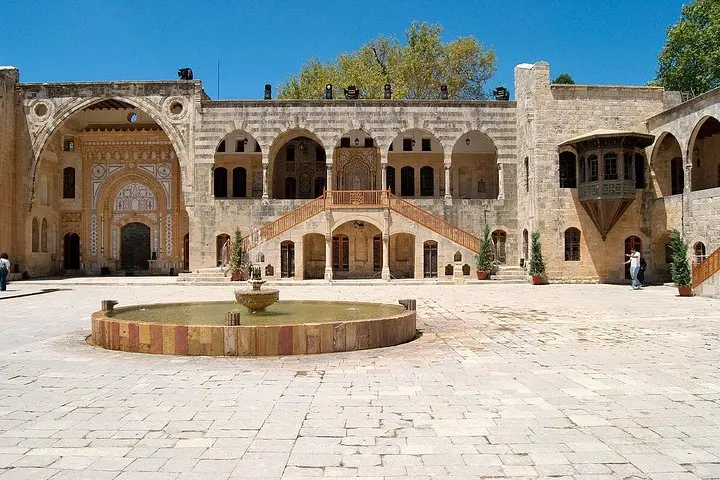
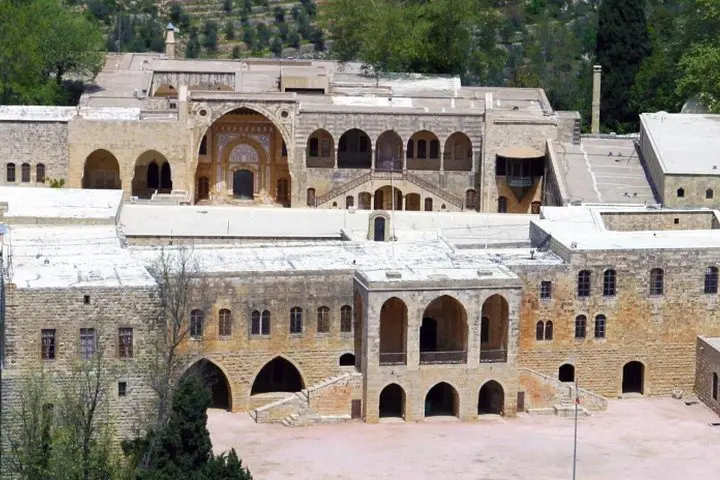
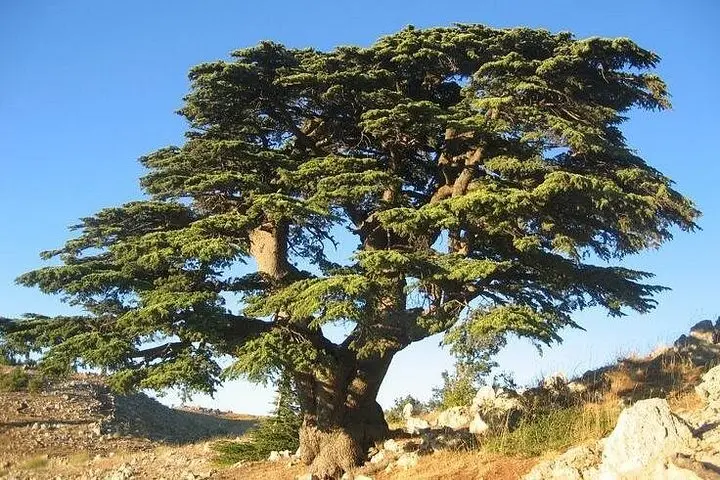
You pull off the coastal highway and the Mediterranean light thins as the road climbs into cedar-sprinkled hills. In the morning chill Beiteddine Palace rises with its stone courtyards and painted ceilings, fountains breaking the silence while mosaics and carved woodwork keep watch. The air smells faintly of mulberry and citrus — a reminder of the silk-era economy that shaped these valleys.
Verified experiences and guided adventures in the surrounding area.
Operated by DAVE LEBANON DMC · Beiteddine, Mount Lebanon Governorate
You pull off the coastal highway and the Mediterranean light thins as the road climbs into cedar-sprinkled hills. In the morning chill Beiteddine Palace rises with its stone courtyards and painted ceilings, fountains breaking the silence while mosaics and carved woodwork keep watch. The air smells faintly of mulberry and citrus — a reminder of the silk-era economy that shaped these valleys.
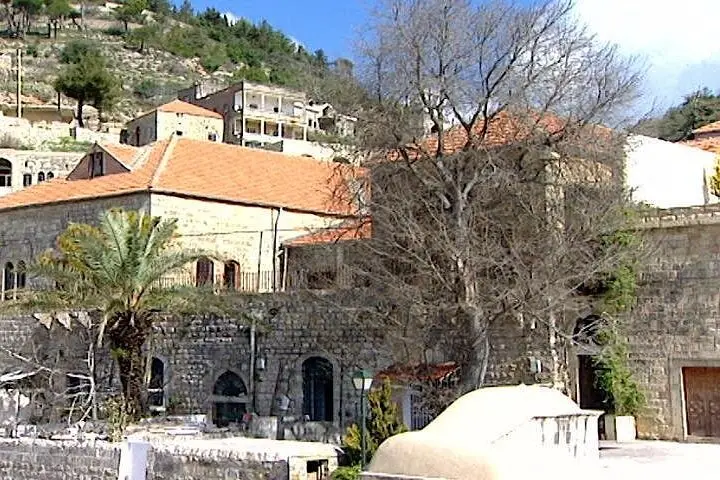
Beiteddine was built across the late 18th and early 19th centuries during the rule of the Emirs of Mount Lebanon; its architecture fuses Lebanese craftsmanship with Ottoman and later European influences. The palace’s terraces sit on limestone bedrock typical of the Mount Lebanon range, and local quarries supplied the ashlar blocks you’ll trace with your fingertips. Down the lane at Deir el Qamar, narrow streets curve past stone houses, a 14th-century mosque, and an old cathedral that reflect the town’s multi-confessional past and role as an emirate capital.
Expect a moderate-paced, principally cultural walk: courtyard routes, museum rooms (notably the Mussa collection and arms displays), and compact cobblestone alleys in Deir el Qamar. Practical notes — wear sturdy shoes for uneven stone, bring water and sun protection for exposed terraces, and leave time for photographing carved facades and local bakeries selling kerben bread.
This half-day private tour is ideal for travelers who want concentrated history and architecture without long hikes: sensory, compact, and rooted in Lebanon’s mountain traditions.
Yes — the typical itinerary includes palace and museum admissions as part of the half-day tour.
Expect casual walking on uneven cobblestones and palace grounds; the pace is relaxed with frequent stops.
Hotel pickup and drop-off are included; confirm your exact pickup point when booking.
This tour does not include a full meal; you may purchase snacks or locally baked kerben in Deir el Qamar.
DAVE LEBANON DMC operates guided outdoor trips and adventures with an emphasis on safety, stewardship, and memorable experiences.
You pull off the coastal highway and the Mediterranean light thins as the road climbs into cedar-sprinkled hills. In the morning chill Beiteddine Palace rises with its stone courtyards and painted ceilings, fountains breaking the silence while mosaics and carved woodwork keep watch. The air smells faintly of mulberry and citrus — a reminder of the silk-era economy that shaped these valleys.
You pull off the coastal highway and the Mediterranean light thins as the road climbs into cedar-sprinkled hills. In the morning chill Beiteddine Palace rises with its stone courtyards and painted ceilings, fountains breaking the silence while mosaics and carved woodwork keep watch. The air smells faintly of mulberry and citrus — a reminder of the silk-era economy that shaped these valleys.
Beiteddine was built across the late 18th and early 19th centuries during the rule of the Emirs of Mount Lebanon; its architecture fuses Lebanese craftsmanship with Ottoman and later European influences. The palace’s terraces sit on limestone bedrock typical of the Mount Lebanon range, and local quarries supplied the ashlar blocks you’ll trace with your fingertips. Down the lane at Deir el Qamar, narrow streets curve past stone houses, a 14th-century mosque, and an old cathedral that reflect the town’s multi-confessional past and role as an emirate capital.
Expect a moderate-paced, principally cultural walk: courtyard routes, museum rooms (notably the Mussa collection and arms displays), and compact cobblestone alleys in Deir el Qamar. Practical notes — wear sturdy shoes for uneven stone, bring water and sun protection for exposed terraces, and leave time for photographing carved facades and local bakeries selling kerben bread.
This half-day private tour is ideal for travelers who want concentrated history and architecture without long hikes: sensory, compact, and rooted in Lebanon’s mountain traditions.