THE ADVENTURE COLLECTIVE® · Independent discovery and booking for outdoor travel

Spend a focused half-day in Giverny with private transport and a local guide to Monet’s house and water garden. Expect easy walking, skip-the-line access, and intimate views of the lily ponds that inspired Impressionist masterpieces.
Spend a focused half-day in Giverny with private transport and a local guide to Monet’s house and water garden. Expect easy walking, skip-the-line access, and intimate views of the lily ponds that inspired Impressionist masterpieces.
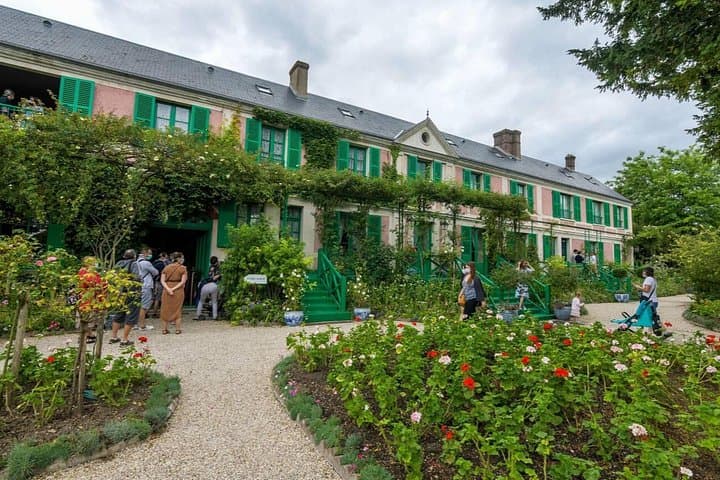
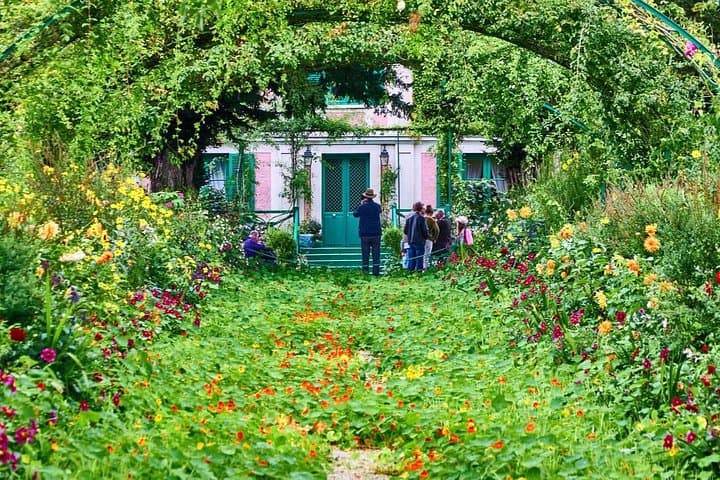
You step from the private car onto a lane flanked by hedges and bright beds; damp earth and roses rise as the guide leads toward a low, pale-green house.
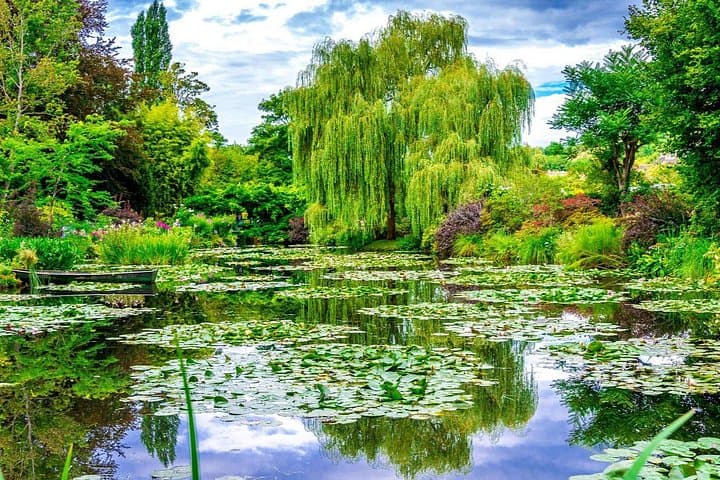
Giverny sits on the Seine’s floodplain, where clay and alluvium collect moisture in a narrow basin Monet converted into ponds, willow stands and reflecting channels.
Monet moved here in 1883 and arranged water, bridge and planting to stage light and color; the Japanese prints he collected shaped composition, while local growers supplied unusual plants.
The village has long hosted artists; small galleries and cafes line the main street, and Monet’s house preserves personal objects and a light-filled studio that reveal his working life.
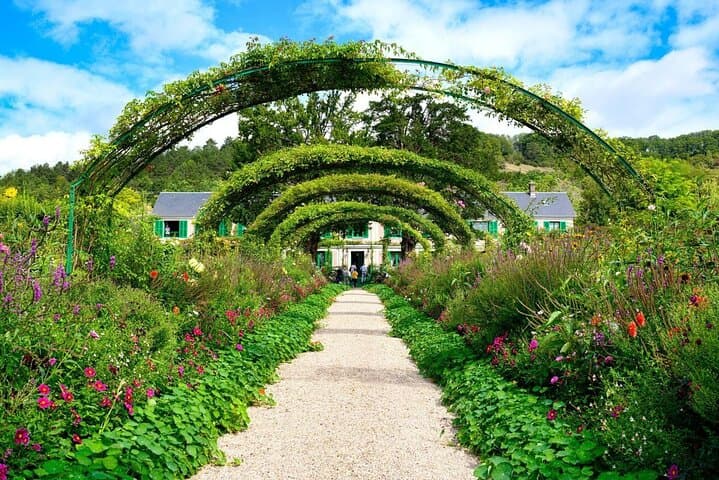
Expect compacted gravel paths, short wooden boardwalks and gentle slopes with minimal climb; the itinerary allocates about 90 minutes in the water garden, 90 minutes in the house and time for a village stroll.
Practical guidance: aim for early morning to catch soft light and avoid crowds, or late afternoon for quieter views; wear water-resistant shoes for damp boardwalks and a light layer for river breezes.
Bring sun protection, a small water bottle and a compact camera; respect planting borders and no-flash photography rules inside the house.
The tour includes private transport and skip-the-line access to the gardens, but Vernon is the nearest rail station for independent arrivals and Paris is roughly an hour away by car.
Move slowly — the lilies and bridge often seem to shift under changing light, and patience yields the best frames, too.
Verified experiences and guided adventures in the surrounding area.
Operated by Europe prime tours · Giverny, Normandy
You step from the private car onto a lane flanked by hedges and bright beds; damp earth and roses rise as the guide leads toward a low, pale-green house.
Giverny sits on the Seine’s floodplain, where clay and alluvium collect moisture in a narrow basin Monet converted into ponds, willow stands and reflecting channels.
Monet moved here in 1883 and arranged water, bridge and planting to stage light and color; the Japanese prints he collected shaped composition, while local growers supplied unusual plants.
The village has long hosted artists; small galleries and cafes line the main street, and Monet’s house preserves personal objects and a light-filled studio that reveal his working life.
Expect compacted gravel paths, short wooden boardwalks and gentle slopes with minimal climb; the itinerary allocates about 90 minutes in the water garden, 90 minutes in the house and time for a village stroll.
Practical guidance: aim for early morning to catch soft light and avoid crowds, or late afternoon for quieter views; wear water-resistant shoes for damp boardwalks and a light layer for river breezes.
Bring sun protection, a small water bottle and a compact camera; respect planting borders and no-flash photography rules inside the house.
The tour includes private transport and skip-the-line access to the gardens, but Vernon is the nearest rail station for independent arrivals and Paris is roughly an hour away by car.
Move slowly — the lilies and bridge often seem to shift under changing light, and patience yields the best frames, too.
The private half-day experience runs about 4 hours total: roughly 90 minutes in the water garden, 90 minutes in the house, plus travel and a village walk.
No—paths are mostly level with gentle slopes; the tour is suitable for most fitness levels but includes standing and walking on varied surfaces.
Yes, entrance to Monet’s house and gardens is included as part of this private tour package.
Yes—Vernon station is the nearest rail link, and local buses or taxis connect to Giverny; expect about an hour by car from central Paris.
Europe prime tours operates guided outdoor trips and adventures with an emphasis on safety, stewardship, and memorable experiences.
You step from the private car onto a lane flanked by hedges and bright beds; damp earth and roses rise as the guide leads toward a low, pale-green house.
Giverny sits on the Seine’s floodplain, where clay and alluvium collect moisture in a narrow basin Monet converted into ponds, willow stands and reflecting channels.
Monet moved here in 1883 and arranged water, bridge and planting to stage light and color; the Japanese prints he collected shaped composition, while local growers supplied unusual plants.
The village has long hosted artists; small galleries and cafes line the main street, and Monet’s house preserves personal objects and a light-filled studio that reveal his working life.
Expect compacted gravel paths, short wooden boardwalks and gentle slopes with minimal climb; the itinerary allocates about 90 minutes in the water garden, 90 minutes in the house and time for a village stroll.
Practical guidance: aim for early morning to catch soft light and avoid crowds, or late afternoon for quieter views; wear water-resistant shoes for damp boardwalks and a light layer for river breezes.
Bring sun protection, a small water bottle and a compact camera; respect planting borders and no-flash photography rules inside the house.
The tour includes private transport and skip-the-line access to the gardens, but Vernon is the nearest rail station for independent arrivals and Paris is roughly an hour away by car.
Move slowly — the lilies and bridge often seem to shift under changing light, and patience yields the best frames, too.