THE ADVENTURE COLLECTIVE® · Independent discovery and booking for outdoor travel

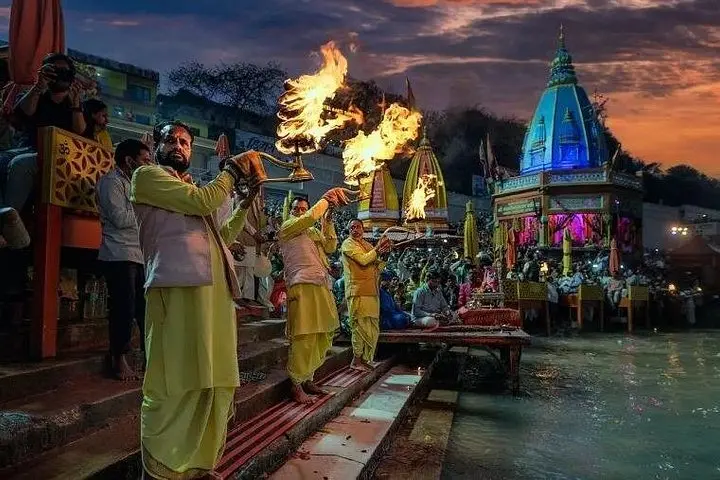
Spend a long day driven from Delhi to the sacred banks of the Ganges—walking Ram Jhula, exploring renowned ashrams, and witnessing the evening Ganga Aarti at Har Ki Pauri. This private tour blends cultural immersion with practical logistics for a full-day pilgrimage by road.
Spend a long day driven from Delhi to the sacred banks of the Ganges—walking Ram Jhula, exploring renowned ashrams, and witnessing the evening Ganga Aarti at Har Ki Pauri. This private tour blends cultural immersion with practical logistics for a full-day pilgrimage by road.
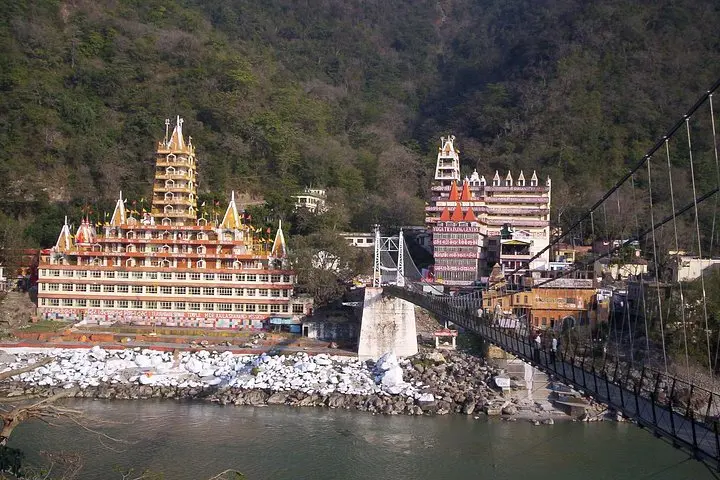
You arrive before dawn: the car eases off the Delhi expressway, and the foothills sharpen against a pale sky. By mid-morning the Ganges appears—fast, clear, and insistent—pushing rock and memory downstream as you step onto Ram Jhula. Iron cables hum underfoot; saffron flags flutter from ashram walls; temple bells answer one another across the river.
Verified experiences and guided adventures in the surrounding area.
Operated by Agra Taj Visit · Rishikesh, Uttarakhand
You arrive before dawn: the car eases off the Delhi expressway, and the foothills sharpen against a pale sky. By mid-morning the Ganges appears—fast, clear, and insistent—pushing rock and memory downstream as you step onto Ram Jhula. Iron cables hum underfoot; saffron flags flutter from ashram walls; temple bells answer one another across the river.
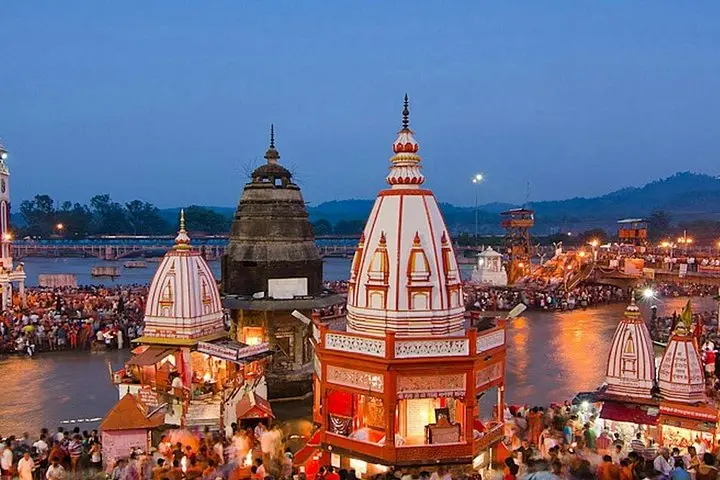
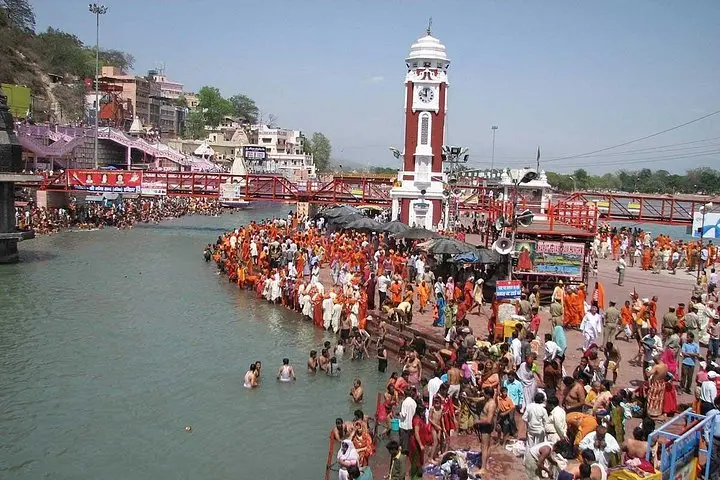
This day tour threads two of Uttarakhand’s oldest pilgrimage towns. Haridwar’s Har Ki Pauri marks where the Ganges is said to leave the mountains; centuries of pilgrims have washed and prayed at its ghats. Rishikesh, a quieter counterpoint, gathered spiritual seekers and yoga teachers in the 20th century—Sivananda and Parmarth Niketan are modern hubs built on older holy ground. Geologically, the valley is an alluvial corridor with Himalayan runoff carving terraces and exposing sedimentary strata, which makes the river both a life-source and a channel of seasonal change.
Culturally the trip is a study in ritual tempo: morning meditations, midday ashram libraries, and the crescendo of Ganga Aarti at dusk. Expect simple architecture, chanting that builds and releases, and vendors selling incense and malas.
Practical guidance: this is a long day (plan 12–16 hours). Wear modest, quick-dry clothing and sturdy walking shoes for temple steps and riverbanks. Carry cash for small donations and snacks; mobile connectivity can be patchy in parts. If you want the full Aarti experience, plan to arrive at Har Ki Pauri at least 45 minutes early to secure a spot. Respect local customs—cover shoulders and knees, ask before photographing worshippers, and avoid bringing plastic into ghats to reduce pollution.
Pickup and drop-off are provided to hotels in New Delhi in an air-conditioned vehicle; specific pickup points are confirmed at booking.
The tour includes time at Har Ki Pauri to watch the Ganga Aarti; visitors can observe and may participate in certain rituals following local customs and guidance from priests.
Bottled water is included; meals are not guaranteed—there are options to purchase vegetarian food at ashrams and local restaurants or bring your own.
The itinerary suits most ages but involves stairs and standing during rituals; those with serious mobility or cardiovascular issues should consult the operator beforehand.
Agra Taj Visit operates guided outdoor trips and adventures with an emphasis on safety, stewardship, and memorable experiences.
You arrive before dawn: the car eases off the Delhi expressway, and the foothills sharpen against a pale sky. By mid-morning the Ganges appears—fast, clear, and insistent—pushing rock and memory downstream as you step onto Ram Jhula. Iron cables hum underfoot; saffron flags flutter from ashram walls; temple bells answer one another across the river.
You arrive before dawn: the car eases off the Delhi expressway, and the foothills sharpen against a pale sky. By mid-morning the Ganges appears—fast, clear, and insistent—pushing rock and memory downstream as you step onto Ram Jhula. Iron cables hum underfoot; saffron flags flutter from ashram walls; temple bells answer one another across the river.
This day tour threads two of Uttarakhand’s oldest pilgrimage towns. Haridwar’s Har Ki Pauri marks where the Ganges is said to leave the mountains; centuries of pilgrims have washed and prayed at its ghats. Rishikesh, a quieter counterpoint, gathered spiritual seekers and yoga teachers in the 20th century—Sivananda and Parmarth Niketan are modern hubs built on older holy ground. Geologically, the valley is an alluvial corridor with Himalayan runoff carving terraces and exposing sedimentary strata, which makes the river both a life-source and a channel of seasonal change.
Culturally the trip is a study in ritual tempo: morning meditations, midday ashram libraries, and the crescendo of Ganga Aarti at dusk. Expect simple architecture, chanting that builds and releases, and vendors selling incense and malas.
Practical guidance: this is a long day (plan 12–16 hours). Wear modest, quick-dry clothing and sturdy walking shoes for temple steps and riverbanks. Carry cash for small donations and snacks; mobile connectivity can be patchy in parts. If you want the full Aarti experience, plan to arrive at Har Ki Pauri at least 45 minutes early to secure a spot. Respect local customs—cover shoulders and knees, ask before photographing worshippers, and avoid bringing plastic into ghats to reduce pollution.