THE ADVENTURE COLLECTIVE® · Independent discovery and booking for outdoor travel

Walk Harlem with a private local guide through the Apollo, Strivers' Row, Abyssinian Baptist Church and a soul food finale. This three-hour tour mixes music history, architecture, and local flavor with flexible, expert-led insight.
Walk Harlem with a private local guide through the Apollo, Strivers' Row, Abyssinian Baptist Church and a soul food finale. This three-hour tour mixes music history, architecture, and local flavor with flexible, expert-led insight.
Morning light hits 125th Street and the neighborhood answers — a steady hum of buskers, bakery ovens, and church bells. On a private three-hour walking tour of Harlem, a local guide threads visitors through blocks where music, faith, and politics have shaped an unmistakable urban rhythm.
Verified experiences and guided adventures in the surrounding area.
Operated by Friendly Local Guides · New York, New York
Morning light hits 125th Street and the neighborhood answers — a steady hum of buskers, bakery ovens, and church bells. On a private three-hour walking tour of Harlem, a local guide threads visitors through blocks where music, faith, and politics have shaped an unmistakable urban rhythm.
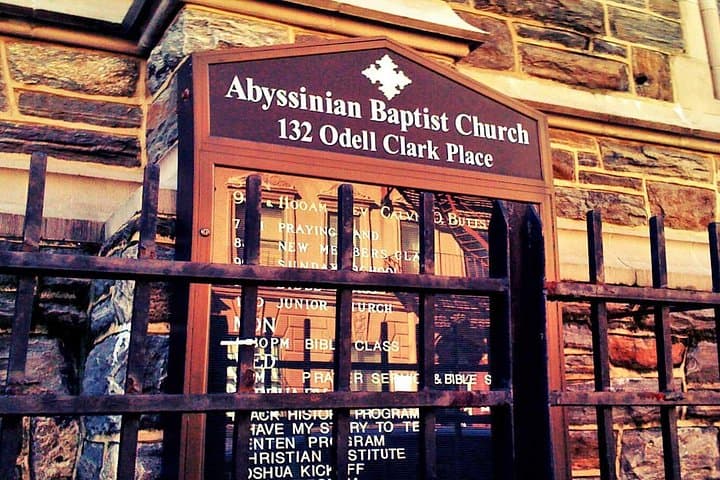
The route reads like a short history: the Apollo Theater, where jazz and soul shaped national sound; Strivers' Row, with its late-19th-century townhouses; the Abyssinian Baptist Church, still a communal anchor; and the Studio Museum’s contemporary collections that trace the Harlem Renaissance to today. Geologically, Manhattan’s gentle bedrock and flat avenues make this an easy urban walk, while the grid opens frequent sightlines to brownstones and carved stone facades.
Cultural context follows the steps — talk of the Great Migration, the artistic surge of the 1920s and the neighborhood’s role in civil rights gives texture to façades and storefronts. Guides often finish at an iconic restaurant for soul food where recipes carry oral histories as much as flavors.
Practicalities are straightforward: expect about 1.5–2 miles of walking over mostly level pavement, intermittent street crossings, and frequent stops for photos and storytelling. Bring comfortable shoes, a transit card if starting outside central Manhattan, and water for warm days. Morning departures avoid the busiest streets and let light favor photos. The tour is customizable for interests — architecture, music history, or culinary focus — but always grounded in local voices and neighborhood stewardship.
Guides typically meet guests in their hotel lobby or a prearranged central point in Harlem; exact meeting details are confirmed at booking.
Much of the route is on level sidewalk, but some historic sites and interiors may have stairs; notify the operator in advance to arrange an accessible itinerary.
Yes — guides can focus more on music history, architecture, or culinary stops depending on guest interests.
Standard bookings cover the guided walk only; museum visits or special admissions are optional and may require separate tickets.
Friendly Local Guides operates guided outdoor trips and adventures with an emphasis on safety, stewardship, and memorable experiences.
Morning light hits 125th Street and the neighborhood answers — a steady hum of buskers, bakery ovens, and church bells. On a private three-hour walking tour of Harlem, a local guide threads visitors through blocks where music, faith, and politics have shaped an unmistakable urban rhythm.
Morning light hits 125th Street and the neighborhood answers — a steady hum of buskers, bakery ovens, and church bells. On a private three-hour walking tour of Harlem, a local guide threads visitors through blocks where music, faith, and politics have shaped an unmistakable urban rhythm.
The route reads like a short history: the Apollo Theater, where jazz and soul shaped national sound; Strivers' Row, with its late-19th-century townhouses; the Abyssinian Baptist Church, still a communal anchor; and the Studio Museum’s contemporary collections that trace the Harlem Renaissance to today. Geologically, Manhattan’s gentle bedrock and flat avenues make this an easy urban walk, while the grid opens frequent sightlines to brownstones and carved stone facades.
Cultural context follows the steps — talk of the Great Migration, the artistic surge of the 1920s and the neighborhood’s role in civil rights gives texture to façades and storefronts. Guides often finish at an iconic restaurant for soul food where recipes carry oral histories as much as flavors.
Practicalities are straightforward: expect about 1.5–2 miles of walking over mostly level pavement, intermittent street crossings, and frequent stops for photos and storytelling. Bring comfortable shoes, a transit card if starting outside central Manhattan, and water for warm days. Morning departures avoid the busiest streets and let light favor photos. The tour is customizable for interests — architecture, music history, or culinary focus — but always grounded in local voices and neighborhood stewardship.