THE ADVENTURE COLLECTIVE® · Independent discovery and booking for outdoor travel

Drive the coastal road to Marathon on a private half‑day tour that pairs the marble dam and reservoir with the battlefields and museum. Expect short, interpretive walks, strong historical storytelling and scenic viewpoints.
Drive the coastal road to Marathon on a private half‑day tour that pairs the marble dam and reservoir with the battlefields and museum. Expect short, interpretive walks, strong historical storytelling and scenic viewpoints.
The coastal road opens like a map of olive groves and low scrub; your private vehicle threads the shore with the Saronic Sea on one side and vineyards on the other. Within an hour the landscape tightens into the pale sweep of Marathon’s plain—marble dam, placid reservoir and a low grassy mound that keeps the memory of a battle alive.
Verified experiences and guided adventures in the surrounding area.
Operated by Insiders Travel Experiences · Marathon, Attica
The coastal road opens like a map of olive groves and low scrub; your private vehicle threads the shore with the Saronic Sea on one side and vineyards on the other. Within an hour the landscape tightens into the pale sweep of Marathon’s plain—marble dam, placid reservoir and a low grassy mound that keeps the memory of a battle alive.
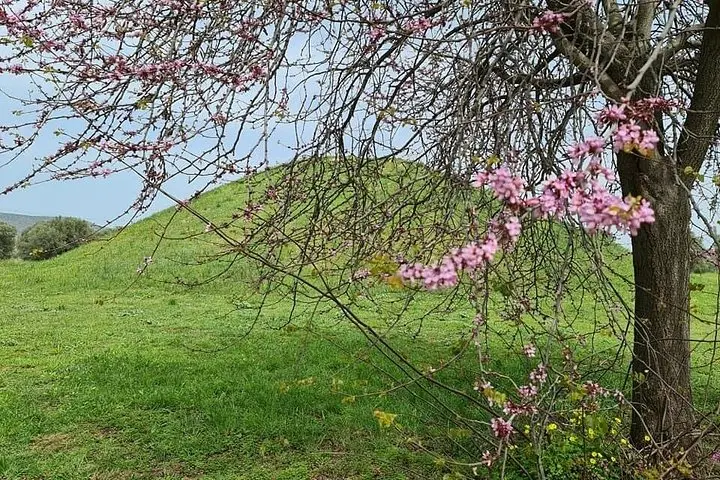
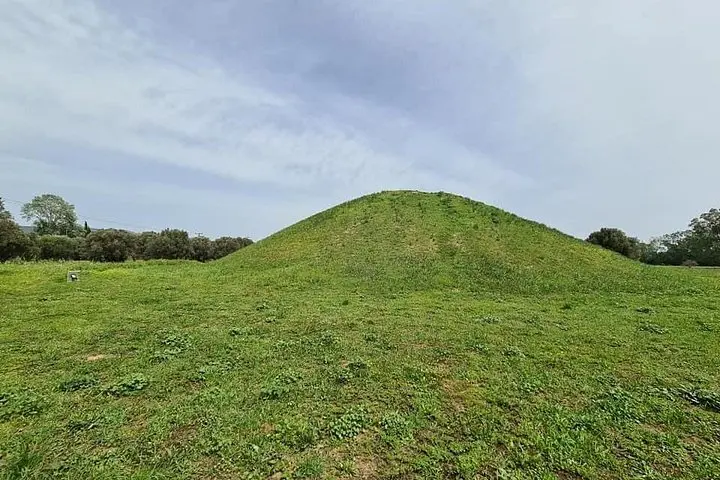
Here history is literal: the earthen tumulus at Marathon marks the mass grave of the 192 Athenian hoplites who fell in 490 BCE, and the name of the modern race was born from the run that carried news of their victory. Geologically, the area is a small coastal plain fed by streams from the inland hills; the artificial Marathon Lake sits behind an early 20th‑century marble-faced dam that transforms seasonal runoff into a bright reservoir. Local culture still orbits olive and grape harvests, seaside tavernas, and the Schinias pine wood and lagoon a short drive east.
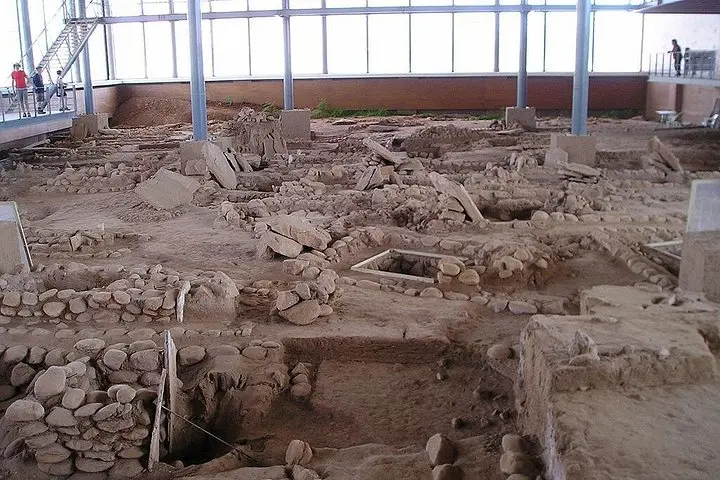
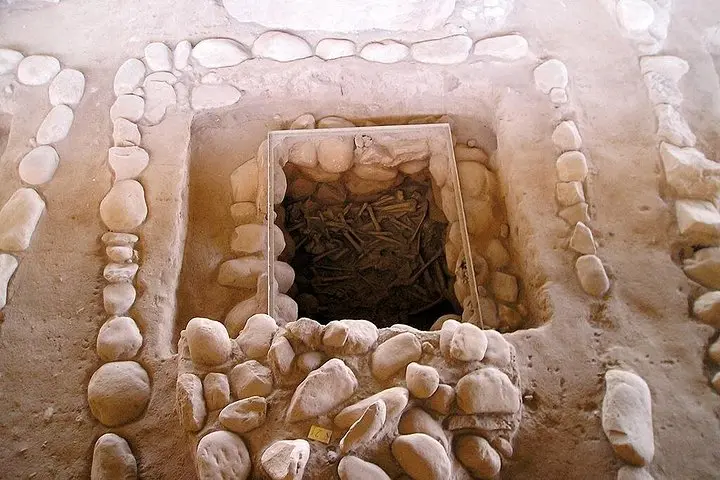
Practical guidance: this private 5‑hour excursion combines mostly paved driving with short walks—expect under 1 km of walking at archaeological sites and less than 100 m cumulative elevation gain. Surfaces at the tumulus and museum include stone paths and some steps; stroller access varies. Entry fees to the museum and sites are usually not included. Morning departures reduce heat and crowds; afternoons offer softer light at the dam. Bring sun protection, a refillable water bottle, and a light layer for sea breezes. Guides typically provide hotel pickup, private transport, and an option to customize the itinerary—ideal for travelers who want history delivered with low exertion and high context.
Most operators list entry fees as not included—confirm before booking and bring cash or a card for museum admission.
Walking is minimal: short circuits at the Marathon Tomb and museum under 1 km total, mostly on paved or stone surfaces with a few steps.
Infants and small children can usually be accommodated, but archaeological sites have uneven surfaces where strollers may be inconvenient.
Yes—private tours generally allow adjustments (longer museum time, extra stops at Schinias or coastal villages) if arranged in advance.
Insiders Travel Experiences operates guided outdoor trips and adventures with an emphasis on safety, stewardship, and memorable experiences.
The coastal road opens like a map of olive groves and low scrub; your private vehicle threads the shore with the Saronic Sea on one side and vineyards on the other. Within an hour the landscape tightens into the pale sweep of Marathon’s plain—marble dam, placid reservoir and a low grassy mound that keeps the memory of a battle alive.
The coastal road opens like a map of olive groves and low scrub; your private vehicle threads the shore with the Saronic Sea on one side and vineyards on the other. Within an hour the landscape tightens into the pale sweep of Marathon’s plain—marble dam, placid reservoir and a low grassy mound that keeps the memory of a battle alive.
Here history is literal: the earthen tumulus at Marathon marks the mass grave of the 192 Athenian hoplites who fell in 490 BCE, and the name of the modern race was born from the run that carried news of their victory. Geologically, the area is a small coastal plain fed by streams from the inland hills; the artificial Marathon Lake sits behind an early 20th‑century marble-faced dam that transforms seasonal runoff into a bright reservoir. Local culture still orbits olive and grape harvests, seaside tavernas, and the Schinias pine wood and lagoon a short drive east.
Practical guidance: this private 5‑hour excursion combines mostly paved driving with short walks—expect under 1 km of walking at archaeological sites and less than 100 m cumulative elevation gain. Surfaces at the tumulus and museum include stone paths and some steps; stroller access varies. Entry fees to the museum and sites are usually not included. Morning departures reduce heat and crowds; afternoons offer softer light at the dam. Bring sun protection, a refillable water bottle, and a light layer for sea breezes. Guides typically provide hotel pickup, private transport, and an option to customize the itinerary—ideal for travelers who want history delivered with low exertion and high context.