THE ADVENTURE COLLECTIVE® · Independent discovery and booking for outdoor travel

Follow a local guide from Aureliano Lima square through neighborhood lanes to rocky headlands, calm bays and the Fonte do Céu waterfall. This 4–5 hour private hike mixes coastal geology, fishing-culture moments and a cooling plunge pool.
Follow a local guide from Aureliano Lima square through neighborhood lanes to rocky headlands, calm bays and the Fonte do Céu waterfall. This 4–5 hour private hike mixes coastal geology, fishing-culture moments and a cooling plunge pool.
You meet at Aureliano Lima square as gulls trace the ferry wake and the village hums around you; the guide checks packs and points to the path that slips between houses and coconut palms. The trail climbs briefly, trading sand for packed dirt, then opens to the long fingertip of coastline that separates the calm bay from the Atlantic surf. Along the Gamboa route you pass tidal pools, fishing shacks, and a rhythm of small engines returning with the day’s catch.
Verified experiences and guided adventures in the surrounding area.
Operated by Eco morro · Morro de São Paulo, Bahia
You meet at Aureliano Lima square as gulls trace the ferry wake and the village hums around you; the guide checks packs and points to the path that slips between houses and coconut palms. The trail climbs briefly, trading sand for packed dirt, then opens to the long fingertip of coastline that separates the calm bay from the Atlantic surf. Along the Gamboa route you pass tidal pools, fishing shacks, and a rhythm of small engines returning with the day’s catch.
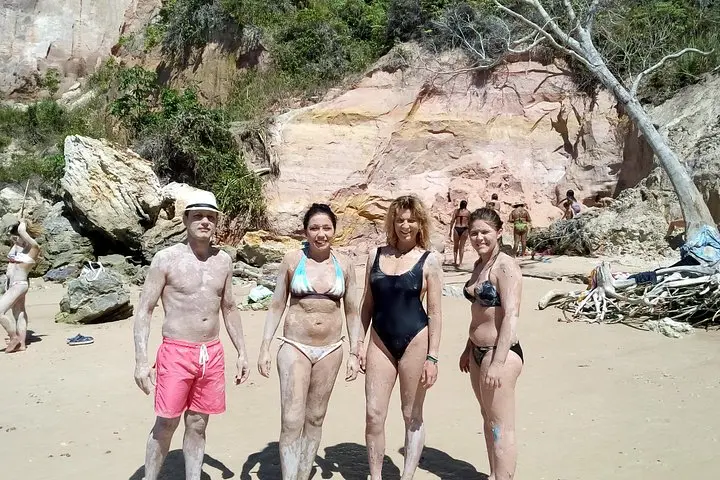
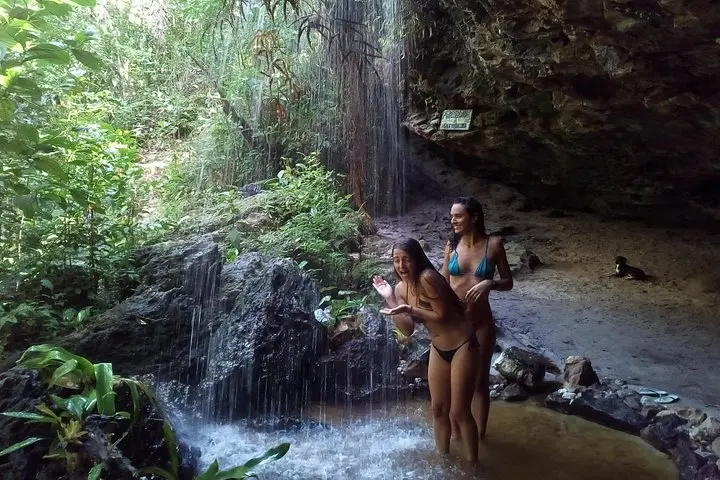
Geology here is coastal: low cliffs of sand and consolidated sediment give way to rocky outcrops and reef-protected beaches; rain-carved gullies feed the Fonte do Céu spring that cascades into a narrow waterfall and a cool plunge pool. Morro de São Paulo’s culture is maritime and plainly local — fishermen mending nets, small vendors serving coconut water, and informal mud-bath spots where residents clean off the day’s salt. Historically, Tinharé Island developed as a fishing and coconut economy and retains an island pace shaped by tide and trade.
Practical guidance: plan for 4–5 hours, wear grippy shoes and bring water for the moderate uphill and uneven coastal terrain. Expect brief stream crossings and a few muddy sections; a lightweight rain layer is useful in the wet season. Respect private yards and local fishing operations, carry out trash, and time the walk to avoid midday heat. The waterfall’s plunge is excellent for cooling off; a quick swim and towel change finishes the day before you return to town by foot or boat.
Meet at Aureliano Lima Square in Morro de São Paulo; the square is reachable on foot from most pousadas or by short water taxi from Valença if arriving from the mainland.
The hike is moderate — expect uneven footing, short climbs and some mud; it’s not recommended for travelers with serious back, heart conditions, or pregnancy.
Yes — the waterfall feeds a natural plunge pool suitable for a quick dip; check water depth and currents, and avoid swimming after heavy rain when flow can be stronger.
A local native guide is included; bilingual guides are available in selected options — confirm language preference when booking.
Eco morro operates guided outdoor trips and adventures with an emphasis on safety, stewardship, and memorable experiences.
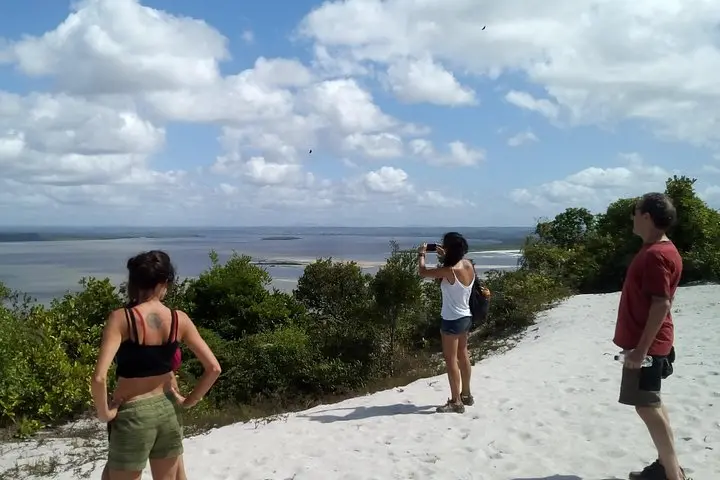
You meet at Aureliano Lima square as gulls trace the ferry wake and the village hums around you; the guide checks packs and points to the path that slips between houses and coconut palms. The trail climbs briefly, trading sand for packed dirt, then opens to the long fingertip of coastline that separates the calm bay from the Atlantic surf. Along the Gamboa route you pass tidal pools, fishing shacks, and a rhythm of small engines returning with the day’s catch.
You meet at Aureliano Lima square as gulls trace the ferry wake and the village hums around you; the guide checks packs and points to the path that slips between houses and coconut palms. The trail climbs briefly, trading sand for packed dirt, then opens to the long fingertip of coastline that separates the calm bay from the Atlantic surf. Along the Gamboa route you pass tidal pools, fishing shacks, and a rhythm of small engines returning with the day’s catch.
Geology here is coastal: low cliffs of sand and consolidated sediment give way to rocky outcrops and reef-protected beaches; rain-carved gullies feed the Fonte do Céu spring that cascades into a narrow waterfall and a cool plunge pool. Morro de São Paulo’s culture is maritime and plainly local — fishermen mending nets, small vendors serving coconut water, and informal mud-bath spots where residents clean off the day’s salt. Historically, Tinharé Island developed as a fishing and coconut economy and retains an island pace shaped by tide and trade.
Practical guidance: plan for 4–5 hours, wear grippy shoes and bring water for the moderate uphill and uneven coastal terrain. Expect brief stream crossings and a few muddy sections; a lightweight rain layer is useful in the wet season. Respect private yards and local fishing operations, carry out trash, and time the walk to avoid midday heat. The waterfall’s plunge is excellent for cooling off; a quick swim and towel change finishes the day before you return to town by foot or boat.