THE ADVENTURE COLLECTIVE® · Independent discovery and booking for outdoor travel

Spend a focused day between Hiroshima’s Peace Memorial Park and the tidal shrine on Miyajima. This private, chartered tour pairs a history-rich museum visit with a short ferry crossing to Itsukushima’s iconic torii.
Spend a focused day between Hiroshima’s Peace Memorial Park and the tidal shrine on Miyajima. This private, chartered tour pairs a history-rich museum visit with a short ferry crossing to Itsukushima’s iconic torii.
A humid morning air moves across the Ota River as your private vehicle threads through Hiroshima’s low-rise streets, the city’s careful geometry opening to a quiet green—Peace Memorial Park. The guide steps out, and the day becomes a measured study in memory and shoreline: two hours at the museum and park, a short drive to the ferry terminal, then the brief 10-minute crossing where the Seto Inland Sea nudges the torii of Itsukushima into view.
Verified experiences and guided adventures in the surrounding area.
Operated by Beauty of Japan · Hiroshima, Hiroshima Prefecture
A humid morning air moves across the Ota River as your private vehicle threads through Hiroshima’s low-rise streets, the city’s careful geometry opening to a quiet green—Peace Memorial Park. The guide steps out, and the day becomes a measured study in memory and shoreline: two hours at the museum and park, a short drive to the ferry terminal, then the brief 10-minute crossing where the Seto Inland Sea nudges the torii of Itsukushima into view.
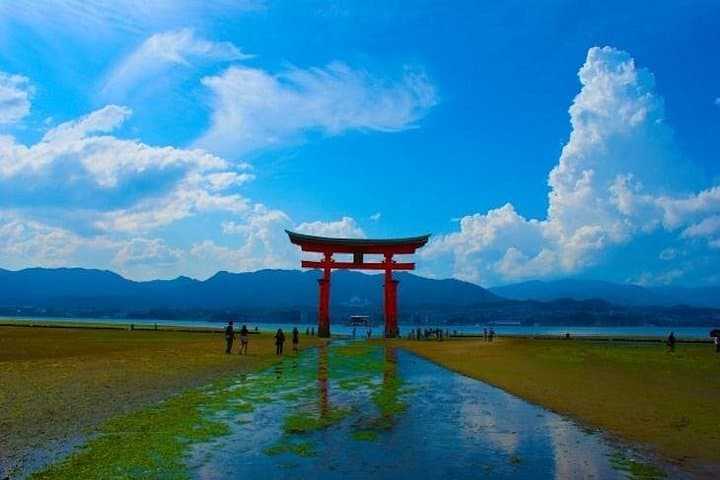
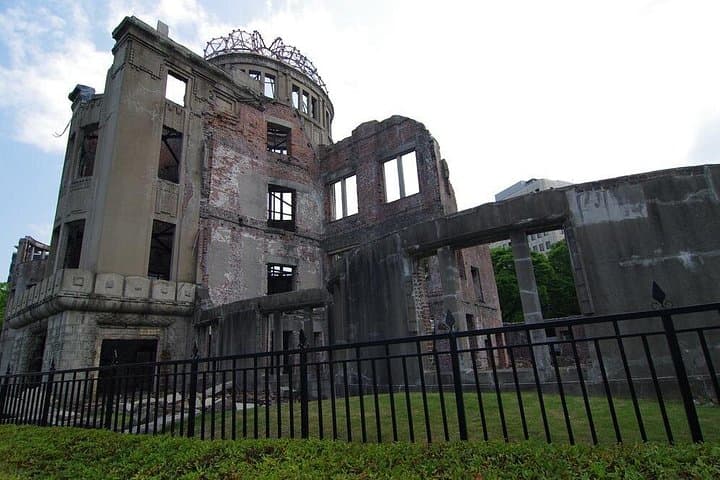
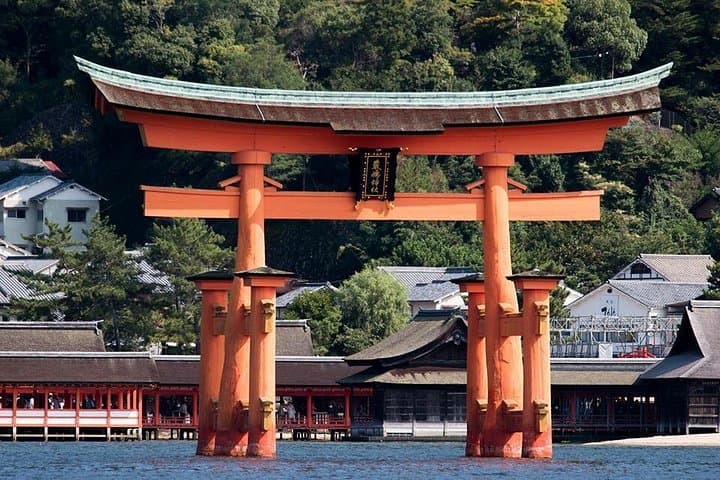
Hiroshima demands attention and context. The Peace Memorial Museum documents August 6, 1945 with personal artifacts and survivor testimony; the A‑Bomb Dome frames the park as an urban ruin preserved in place. Miyajima sits opposite—an island with a 535 m summit, shrine boardwalks built to float with the tide and a giant vermilion gate that appears to rise and fall with the sea. Geologically, the island is part of the Seto Inland Sea archipelago; culturally, Itsukushima Shrine is a Shinto site recognized by UNESCO for its unique tidal architecture.
Practically, this is an eight-hour loop: private vehicle and driver, a professional guide, round-trip hotel pickup and drop-off, and a short ferry. Admissions are generally not included, and museum lines can form—allocate at least 60–90 minutes at the Peace Museum. Wear comfortable walking shoes for uneven wooden boardwalks and museum stairs; bring cash for small shops and ferry tickets if needed. Time your visit to catch low or mid tide for the best torii photos, and communicate any pickup at Hiroshima Station or cruise terminal in advance. The pace is deliberate: history first, then the sea’s quieter insistence on Miyajima.
Admission fees are typically not included; the tour description notes you are responsible for required entrance fees and possibly the guide's admission if needed.
The public ferry from Miyajimaguchi to Miyajima takes roughly 10 minutes; plan for additional waiting time during peak hours.
Yes—hosts can start at Hiroshima Station or cruise port if you provide arrival details (train/car/cruise name and times) in advance.
Families are welcome, but the itinerary involves walking and stairs; those with limited mobility should check accessibility at the museum and shrine and notify the operator when booking.
Beauty of Japan operates guided outdoor trips and adventures with an emphasis on safety, stewardship, and memorable experiences.
A humid morning air moves across the Ota River as your private vehicle threads through Hiroshima’s low-rise streets, the city’s careful geometry opening to a quiet green—Peace Memorial Park. The guide steps out, and the day becomes a measured study in memory and shoreline: two hours at the museum and park, a short drive to the ferry terminal, then the brief 10-minute crossing where the Seto Inland Sea nudges the torii of Itsukushima into view.
A humid morning air moves across the Ota River as your private vehicle threads through Hiroshima’s low-rise streets, the city’s careful geometry opening to a quiet green—Peace Memorial Park. The guide steps out, and the day becomes a measured study in memory and shoreline: two hours at the museum and park, a short drive to the ferry terminal, then the brief 10-minute crossing where the Seto Inland Sea nudges the torii of Itsukushima into view.
Hiroshima demands attention and context. The Peace Memorial Museum documents August 6, 1945 with personal artifacts and survivor testimony; the A‑Bomb Dome frames the park as an urban ruin preserved in place. Miyajima sits opposite—an island with a 535 m summit, shrine boardwalks built to float with the tide and a giant vermilion gate that appears to rise and fall with the sea. Geologically, the island is part of the Seto Inland Sea archipelago; culturally, Itsukushima Shrine is a Shinto site recognized by UNESCO for its unique tidal architecture.
Practically, this is an eight-hour loop: private vehicle and driver, a professional guide, round-trip hotel pickup and drop-off, and a short ferry. Admissions are generally not included, and museum lines can form—allocate at least 60–90 minutes at the Peace Museum. Wear comfortable walking shoes for uneven wooden boardwalks and museum stairs; bring cash for small shops and ferry tickets if needed. Time your visit to catch low or mid tide for the best torii photos, and communicate any pickup at Hiroshima Station or cruise terminal in advance. The pace is deliberate: history first, then the sea’s quieter insistence on Miyajima.