THE ADVENTURE COLLECTIVE® · Independent discovery and booking for outdoor travel

Explore Astorga’s compact historic center on a private two-hour walking tour that links a Roman past with Gaudí’s dramatic Episcopal Palace and a flamboyant Gothic cathedral. Expect cobbled streets, close-up history, and local viewpoints off the main square.
Explore Astorga’s compact historic center on a private two-hour walking tour that links a Roman past with Gaudí’s dramatic Episcopal Palace and a flamboyant Gothic cathedral. Expect cobbled streets, close-up history, and local viewpoints off the main square.
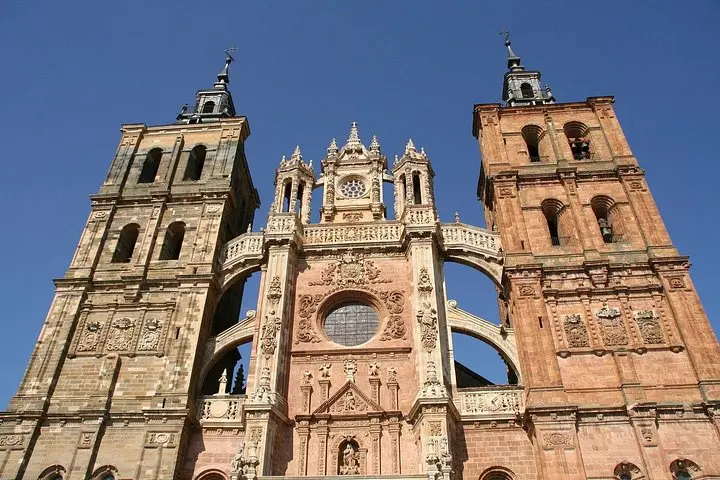
The tour begins under the shadow of the Cathedral of Santa María, where stone carvings frame a narrow street that funnels pilgrims and curious travelers alike toward Astorga’s old heart. For two hours you move at a paced, deliberate rhythm: stop, listen, and let the city’s layers reveal themselves.
Verified experiences and guided adventures in the surrounding area.
Operated by BlackBuck Travels · Astorga, Castile and León
The tour begins under the shadow of the Cathedral of Santa María, where stone carvings frame a narrow street that funnels pilgrims and curious travelers alike toward Astorga’s old heart. For two hours you move at a paced, deliberate rhythm: stop, listen, and let the city’s layers reveal themselves.
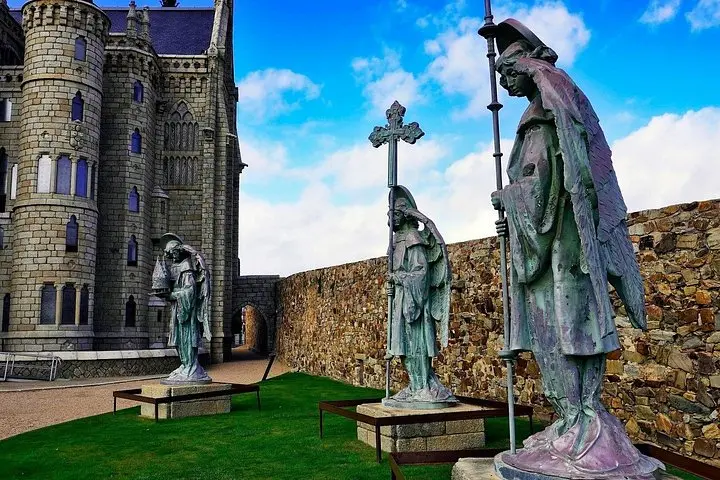
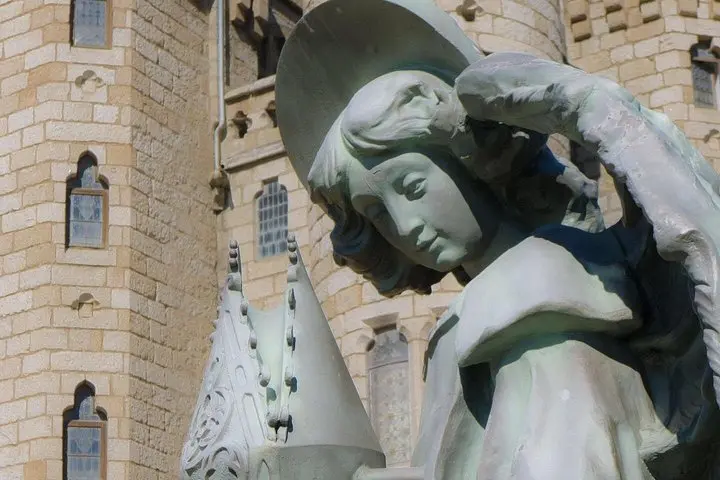
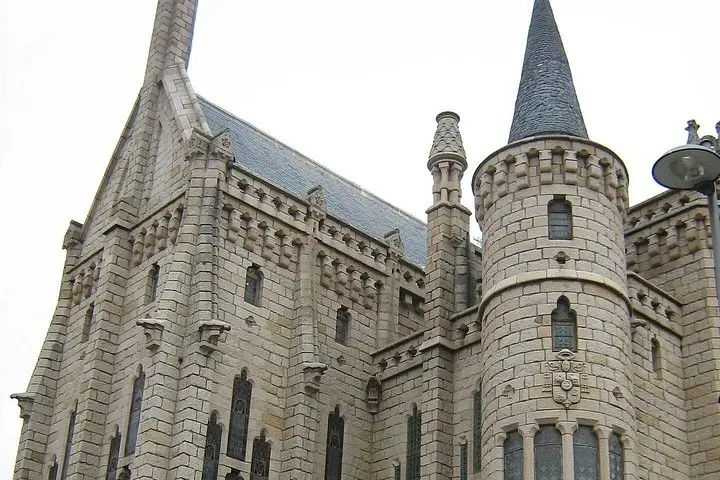
Astorga sits on a plateau once claimed by the Romans as Asturica Augusta, a strategic hub on the French route of the Camino de Santiago. Centuries of history are visible in the flamboyant Gothic façade of the cathedral, the fairytale bulk of Gaudí’s Episcopal Palace (home to the Museo de los Caminos), and the weathered Roman walls that still outline the old town. The Domus of the Bear and Birds Mosaic offers a direct line to the 1st century CE, while the Monument to the Sieges recalls Napoleonic-era resistance.
The city’s geology is simple: granite and schist underfoot, streets paved with uneven cobbles that keep your pace honest and your attention forward. Local culture is quiet and civic — cafés gather people around midday, and the Sinagoga Garden gives a leafy overlook of the valley where red kites wheel overhead.
Practical guide: this private walking tour lasts about two hours, covers roughly 1.5–3 km of mostly flat but cobbled streets, and includes an official guide. Wear sturdy shoes, carry water, and plan for the sun or a sudden shower. The route is accessible in parts, but cobbles and steps mean mobility needs should be flagged at booking. Expect frequent photo stops and concise historical context rather than museum-length explanations.
This private walking tour includes an official guide but does not include paid admissions—confirm with the operator if you want inside access to the cathedral or museums.
Some sections and viewpoints are accessible, but cobbled streets and steps exist; notify the operator of mobility needs when booking.
Language options are not specified in the listing—contact the provider to confirm guide languages and request a preferred language if needed.
Expect roughly 1.5–3 km of mostly flat urban walking with frequent stops; it’s low-intensity but requires steady footing on uneven pavement.
BlackBuck Travels operates guided outdoor trips and adventures with an emphasis on safety, stewardship, and memorable experiences.
The tour begins under the shadow of the Cathedral of Santa María, where stone carvings frame a narrow street that funnels pilgrims and curious travelers alike toward Astorga’s old heart. For two hours you move at a paced, deliberate rhythm: stop, listen, and let the city’s layers reveal themselves.
The tour begins under the shadow of the Cathedral of Santa María, where stone carvings frame a narrow street that funnels pilgrims and curious travelers alike toward Astorga’s old heart. For two hours you move at a paced, deliberate rhythm: stop, listen, and let the city’s layers reveal themselves.
Astorga sits on a plateau once claimed by the Romans as Asturica Augusta, a strategic hub on the French route of the Camino de Santiago. Centuries of history are visible in the flamboyant Gothic façade of the cathedral, the fairytale bulk of Gaudí’s Episcopal Palace (home to the Museo de los Caminos), and the weathered Roman walls that still outline the old town. The Domus of the Bear and Birds Mosaic offers a direct line to the 1st century CE, while the Monument to the Sieges recalls Napoleonic-era resistance.
The city’s geology is simple: granite and schist underfoot, streets paved with uneven cobbles that keep your pace honest and your attention forward. Local culture is quiet and civic — cafés gather people around midday, and the Sinagoga Garden gives a leafy overlook of the valley where red kites wheel overhead.
Practical guide: this private walking tour lasts about two hours, covers roughly 1.5–3 km of mostly flat but cobbled streets, and includes an official guide. Wear sturdy shoes, carry water, and plan for the sun or a sudden shower. The route is accessible in parts, but cobbles and steps mean mobility needs should be flagged at booking. Expect frequent photo stops and concise historical context rather than museum-length explanations.