THE ADVENTURE COLLECTIVE® · Independent discovery and booking for outdoor travel

Explore Lisbon’s heart on a private 3–4 hour walking tour through Alfama, Praça do Comércio and Chiado. Expect cobbled streets, panoramic miradouros and stops for pastel de nata and local liqueur.
Explore Lisbon’s heart on a private 3–4 hour walking tour through Alfama, Praça do Comércio and Chiado. Expect cobbled streets, panoramic miradouros and stops for pastel de nata and local liqueur.
The walk begins where the Tagus meets the city — Praça do Comércio opens like a stone-paved stage, the river daring you to follow its line of ships. From here the guide threads the group through wide avenues, then down into narrow alleys where the cobbles slope and the facades tilt; sunlight and shadow trade places on azulejo tiles as you climb toward the castle viewpoints.
Verified experiences and guided adventures in the surrounding area.
Operated by Tours Bernardo · Lisbon, Lisbon
The walk begins where the Tagus meets the city — Praça do Comércio opens like a stone-paved stage, the river daring you to follow its line of ships. From here the guide threads the group through wide avenues, then down into narrow alleys where the cobbles slope and the facades tilt; sunlight and shadow trade places on azulejo tiles as you climb toward the castle viewpoints.
This route stitches together Lisbon’s layered past: medieval Moorish streets in Alfama, the 18th-century rebuilding after the 1755 earthquake, and the 20th‑century drama of the Carnation Revolution at Carmo Square. Geology is visible in the city’s contours — seven hills carved from limestone and clay — shaping staircases, elevators and the Santa Justa’s iron viewpoint that peers over tiled roofs.
Cultural notes are immediate: scent of frying dough from a pastry shop offering pastel de nata, the discreet pull of a fado melody in a doorway, and small shrines honoring saints and fishermen. Local insights include watching traditional pastry-making and pausing at miradouros (viewpoints) that frame the 25 de Abril Bridge and the broad Tagus.
Practical guidance: expect 3–4 hours and roughly 5 km of mixed pavement and cobbles with short, steep stair sections in Alfama. Wear broken‑in walking shoes, carry water and a light layer for coastal breezes. Mobility limitations are manageable in parts but be prepared to use a stroller or wheelchair only on flatter stretches. Book in the morning for softer light and quieter streets; bring cash for small purchases in historic cafés.
Parts of the route are accessible, especially flatter city-center sections, but Alfama contains steep steps; inform the operator in advance so they can adjust the route.
Private guides commonly speak English and Portuguese; confirm language when booking to ensure a match.
This tour focuses on viewpoints and external sites; admissions to paid attractions are typically not included unless stated otherwise.
Full refund available if you cancel at least 24 hours before departure; bad weather or insufficient travelers may also trigger cancellation.
Tours Bernardo operates guided outdoor trips and adventures with an emphasis on safety, stewardship, and memorable experiences.
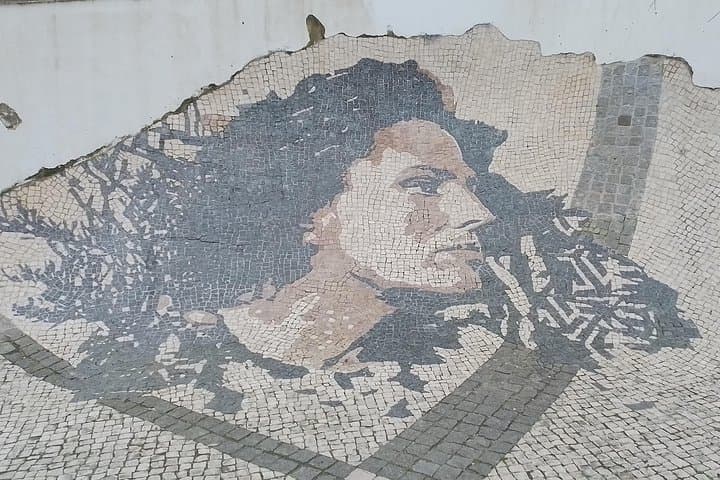
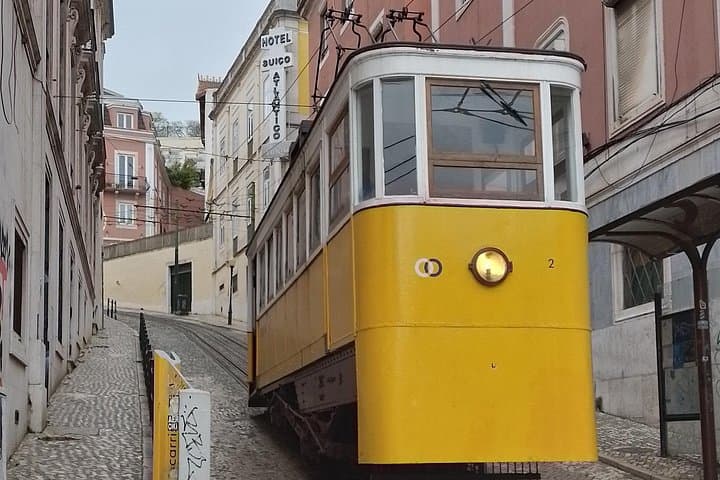
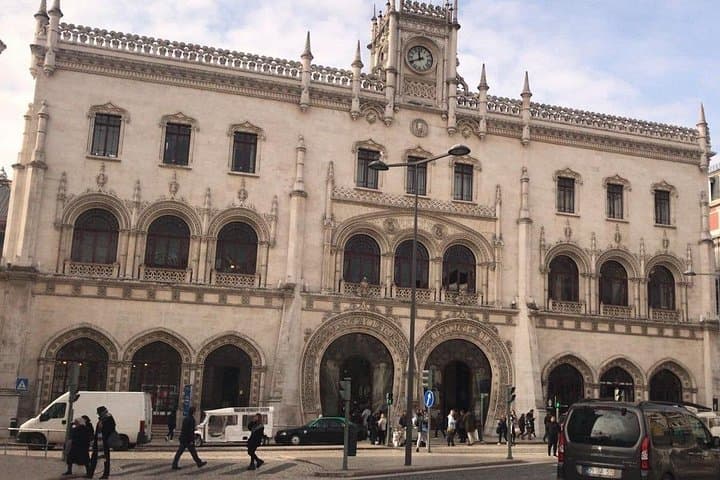
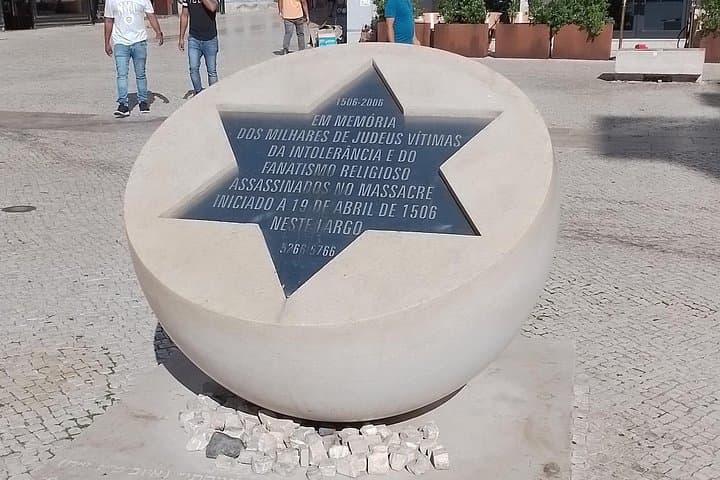
The walk begins where the Tagus meets the city — Praça do Comércio opens like a stone-paved stage, the river daring you to follow its line of ships. From here the guide threads the group through wide avenues, then down into narrow alleys where the cobbles slope and the facades tilt; sunlight and shadow trade places on azulejo tiles as you climb toward the castle viewpoints.
The walk begins where the Tagus meets the city — Praça do Comércio opens like a stone-paved stage, the river daring you to follow its line of ships. From here the guide threads the group through wide avenues, then down into narrow alleys where the cobbles slope and the facades tilt; sunlight and shadow trade places on azulejo tiles as you climb toward the castle viewpoints.
This route stitches together Lisbon’s layered past: medieval Moorish streets in Alfama, the 18th-century rebuilding after the 1755 earthquake, and the 20th‑century drama of the Carnation Revolution at Carmo Square. Geology is visible in the city’s contours — seven hills carved from limestone and clay — shaping staircases, elevators and the Santa Justa’s iron viewpoint that peers over tiled roofs.
Cultural notes are immediate: scent of frying dough from a pastry shop offering pastel de nata, the discreet pull of a fado melody in a doorway, and small shrines honoring saints and fishermen. Local insights include watching traditional pastry-making and pausing at miradouros (viewpoints) that frame the 25 de Abril Bridge and the broad Tagus.
Practical guidance: expect 3–4 hours and roughly 5 km of mixed pavement and cobbles with short, steep stair sections in Alfama. Wear broken‑in walking shoes, carry water and a light layer for coastal breezes. Mobility limitations are manageable in parts but be prepared to use a stroller or wheelchair only on flatter stretches. Book in the morning for softer light and quieter streets; bring cash for small purchases in historic cafés.