THE ADVENTURE COLLECTIVE® · Independent discovery and booking for outdoor travel

Float through Cam Thanh’s water coconut forest in a traditional Vietnamese basket boat, then stroll Hoi An’s historic streets. This private 3–4 hour tour pairs a hands-on coracle ride and local fishing with guided exploration of the ancient town.
Float through Cam Thanh’s water coconut forest in a traditional Vietnamese basket boat, then stroll Hoi An’s historic streets. This private 3–4 hour tour pairs a hands-on coracle ride and local fishing with guided exploration of the ancient town.
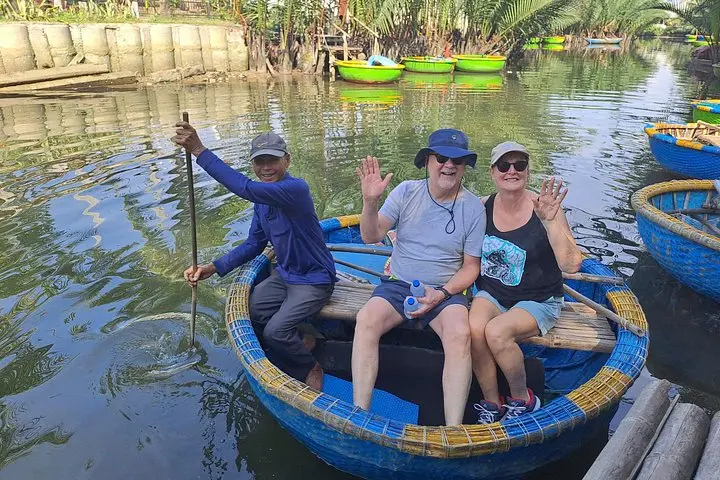
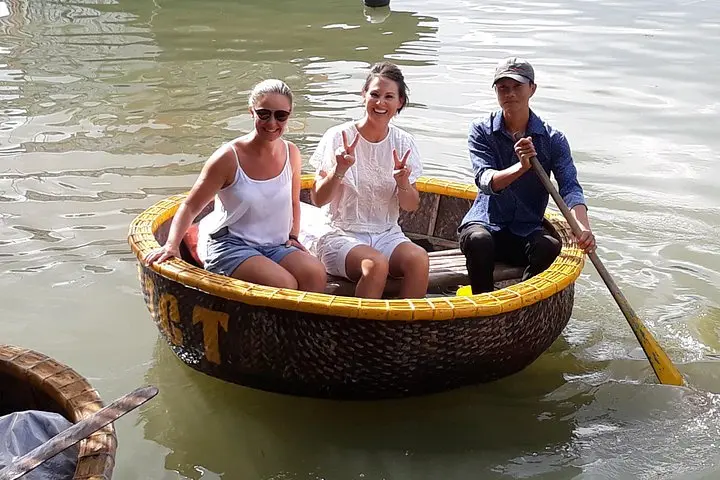
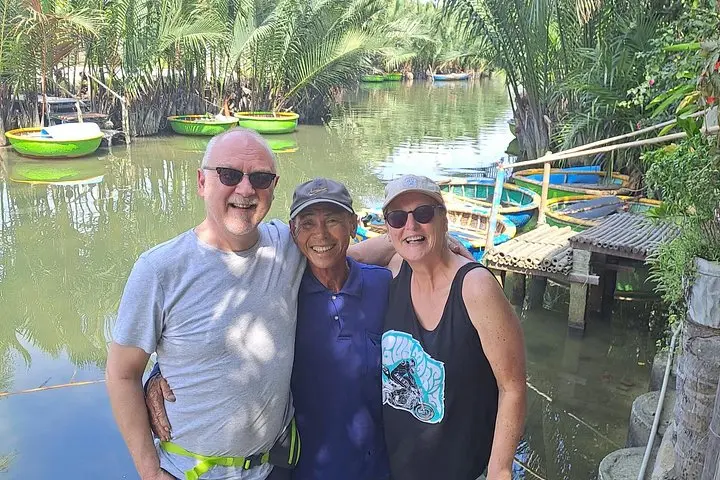
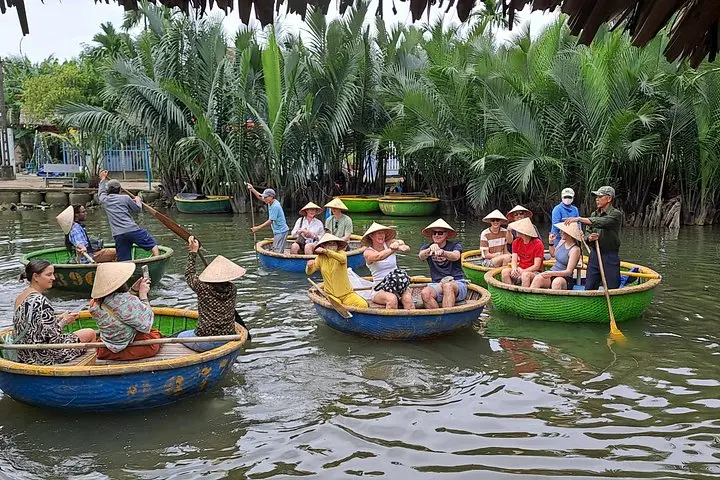
The morning light cuts through rows of slender coconut palms as the coracles wait on the water: round, woven, and improbably steady. Guests leave the tile-roofed lanes of Hoi An’s old town—past the Japanese Covered Bridge and Chinese assembly halls—and drive a short, fragrant distance to Cam Thanh, where waterways thread a living mangrove of coconut trunks.
Verified experiences and guided adventures in the surrounding area.
Operated by TTP Henry Travel Hoi An · Hoi An, Quang Nam
The morning light cuts through rows of slender coconut palms as the coracles wait on the water: round, woven, and improbably steady. Guests leave the tile-roofed lanes of Hoi An’s old town—past the Japanese Covered Bridge and Chinese assembly halls—and drive a short, fragrant distance to Cam Thanh, where waterways thread a living mangrove of coconut trunks.
Cam Thanh’s water coconut forest is both an ecological niche and a cultural landscape. The round basket boats (thung chai) are traditional craft once used for nearshore fishing; the village was a refuge during wartime and remains a working fishing community. Hoi An itself grew as a trading port between the 16th and 19th centuries, and the town’s architecture reflects Japanese, Chinese and Vietnamese influences.
On the water, local guides teach the unique paddling posture and hand techniques that keep the coracle moving and stable. The ride winds through narrow channels where shore crabs and egrets are part of the routine, and visitors can try catch-and-release crab fishing with village fishermen. After the ride, the itinerary typically includes a guided walk through Hoi An’s lantern-lit streets and a local meal featuring fresh seafood and regional flavors.
Practical guidance: wear quick-dry clothing and closed-toe water shoes, bring sun protection and a lightweight rain layer in the wet season. Tours run about 3–4 hours; minimal fitness is required but expect short steps on uneven docks. Book morning slots to avoid heat and to catch calmer waters for the best coracle experience.
Yes—coracles are stable for seated riders, and local guides provide instruction and help with boarding; children and inexperienced paddlers are accommodated.
Typical duration is 3–4 hours and includes hotel pickup/drop-off, the basket boat experience, a visit to Hoi An Old Town, entrance fees, bottled water, and a local meal as described in the itinerary.
Yes—infants must sit on an adult’s lap and infant seats may be available; mention ages during booking so guides can prepare.
Full refunds are available if you cancel at least 24 hours before the scheduled departure; tours may be cancelled for bad weather or insufficient participants.
TTP Henry Travel Hoi An operates guided outdoor trips and adventures with an emphasis on safety, stewardship, and memorable experiences.
The morning light cuts through rows of slender coconut palms as the coracles wait on the water: round, woven, and improbably steady. Guests leave the tile-roofed lanes of Hoi An’s old town—past the Japanese Covered Bridge and Chinese assembly halls—and drive a short, fragrant distance to Cam Thanh, where waterways thread a living mangrove of coconut trunks.
The morning light cuts through rows of slender coconut palms as the coracles wait on the water: round, woven, and improbably steady. Guests leave the tile-roofed lanes of Hoi An’s old town—past the Japanese Covered Bridge and Chinese assembly halls—and drive a short, fragrant distance to Cam Thanh, where waterways thread a living mangrove of coconut trunks.
Cam Thanh’s water coconut forest is both an ecological niche and a cultural landscape. The round basket boats (thung chai) are traditional craft once used for nearshore fishing; the village was a refuge during wartime and remains a working fishing community. Hoi An itself grew as a trading port between the 16th and 19th centuries, and the town’s architecture reflects Japanese, Chinese and Vietnamese influences.
On the water, local guides teach the unique paddling posture and hand techniques that keep the coracle moving and stable. The ride winds through narrow channels where shore crabs and egrets are part of the routine, and visitors can try catch-and-release crab fishing with village fishermen. After the ride, the itinerary typically includes a guided walk through Hoi An’s lantern-lit streets and a local meal featuring fresh seafood and regional flavors.
Practical guidance: wear quick-dry clothing and closed-toe water shoes, bring sun protection and a lightweight rain layer in the wet season. Tours run about 3–4 hours; minimal fitness is required but expect short steps on uneven docks. Book morning slots to avoid heat and to catch calmer waters for the best coracle experience.