THE ADVENTURE COLLECTIVE® · Independent discovery and booking for outdoor travel

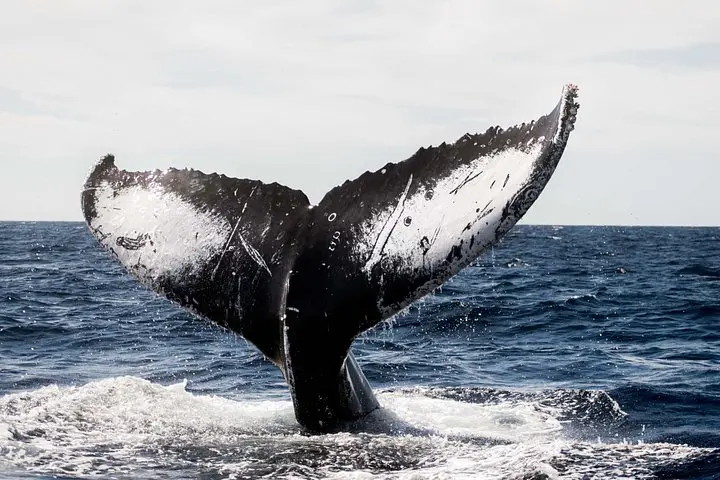
Board a private boat from Cabo’s marina with a marine biologist guide and spend 2.5 hours tracking humpback whales that migrate to Baja’s warm waters. Small groups, research-driven photo-ID, and routes past the Arch make this a focused wildlife encounter.
Board a private boat from Cabo’s marina with a marine biologist guide and spend 2.5 hours tracking humpback whales that migrate to Baja’s warm waters. Small groups, research-driven photo-ID, and routes past the Arch make this a focused wildlife encounter.
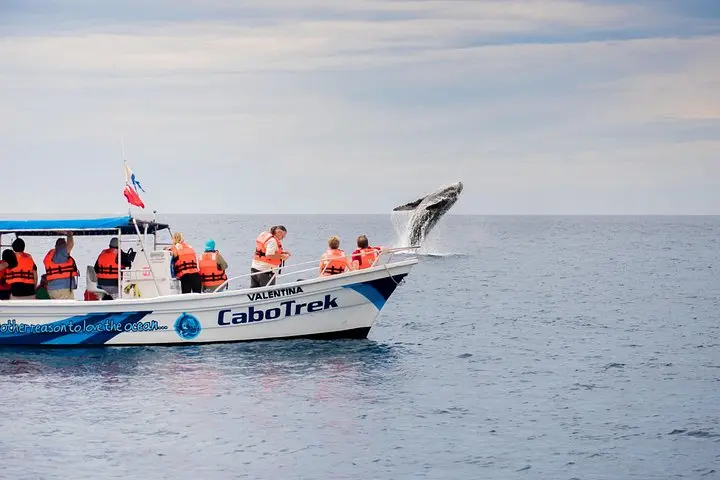
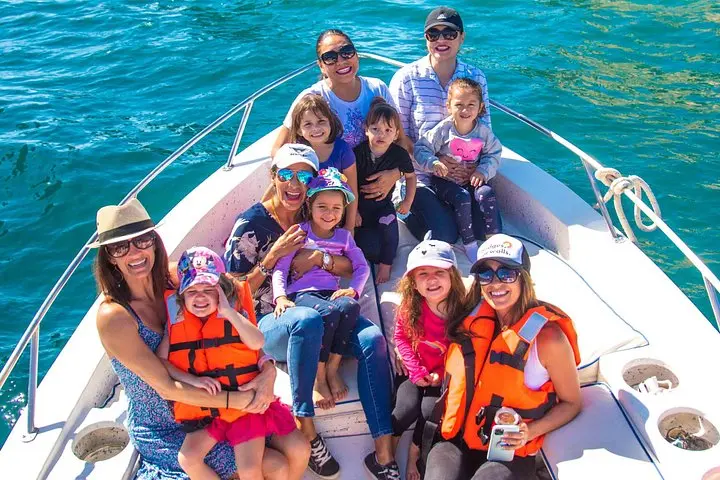
A brisk breeze off the Pacific lifts salt and the sharp cry of gulls as the marina slips behind you and the boat points seaward. In a private group of up to eight, the deck becomes a small observatory: binoculars in hand, a marine biologist narrating migration patterns, and the horizon scanning for an arcing back or a spout.
Verified experiences and guided adventures in the surrounding area.
Operated by Cabo Trek · Cabo San Lucas, Baja California Sur
A brisk breeze off the Pacific lifts salt and the sharp cry of gulls as the marina slips behind you and the boat points seaward. In a private group of up to eight, the deck becomes a small observatory: binoculars in hand, a marine biologist narrating migration patterns, and the horizon scanning for an arcing back or a spout.
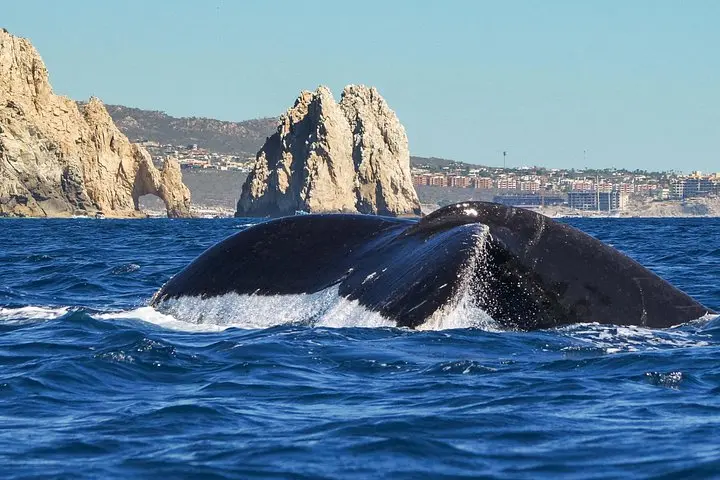
The waters off Cabo sit at the meeting of the Sea of Cortez and the Pacific — a corridor that funnels humpbacks from northern feeding grounds to these warm bays to breed and calve. Geological formations at Land’s End, shaped by volcanic uplift and relentless surf, act as visual markers as you pass Pelican Rock and the Arch before pushing into deeper water where whales concentrate in winter and spring.
Locals rely on the sea for fishing and tourism; many guides here contribute to photo-ID research that helps map individual whale returns. Respectful viewing is regulated — keep distance, minimize noise, and allow the animals space.
Practically: tours run about 2.5 hours from the Tesoro Hotel marina. Dress in layers for the morning chill and strong midday sun, bring seasickness remedies if you’re prone, and pack a camera with a telephoto lens or good zoom. Listen to the marine biologist — their cues are the best indicator of behavior and safety. If you time the trip for late winter to early spring, you’ll increase odds of close surface behaviors and breaches. This is a quietly powerful encounter: the ocean invites you in, and the whales decide how close you get.
Peak season is roughly December through April when humpbacks migrate to Baja to breed and nurse calves.
Yes—this private tour is rated easy and wheelchair accessible options are available, but check with the operator about mobility needs and safety briefings.
You can commonly see California sea lions, dolphins, seabirds and sometimes manta rays or pilot whales depending on conditions.
Guides maintain legal and ethical viewing distances; close surface behaviors can occur but approach is guided by the animals’ behavior and regulations.
Cabo Trek operates guided outdoor trips and adventures with an emphasis on safety, stewardship, and memorable experiences.
A brisk breeze off the Pacific lifts salt and the sharp cry of gulls as the marina slips behind you and the boat points seaward. In a private group of up to eight, the deck becomes a small observatory: binoculars in hand, a marine biologist narrating migration patterns, and the horizon scanning for an arcing back or a spout.
A brisk breeze off the Pacific lifts salt and the sharp cry of gulls as the marina slips behind you and the boat points seaward. In a private group of up to eight, the deck becomes a small observatory: binoculars in hand, a marine biologist narrating migration patterns, and the horizon scanning for an arcing back or a spout.
The waters off Cabo sit at the meeting of the Sea of Cortez and the Pacific — a corridor that funnels humpbacks from northern feeding grounds to these warm bays to breed and calve. Geological formations at Land’s End, shaped by volcanic uplift and relentless surf, act as visual markers as you pass Pelican Rock and the Arch before pushing into deeper water where whales concentrate in winter and spring.
Locals rely on the sea for fishing and tourism; many guides here contribute to photo-ID research that helps map individual whale returns. Respectful viewing is regulated — keep distance, minimize noise, and allow the animals space.
Practically: tours run about 2.5 hours from the Tesoro Hotel marina. Dress in layers for the morning chill and strong midday sun, bring seasickness remedies if you’re prone, and pack a camera with a telephoto lens or good zoom. Listen to the marine biologist — their cues are the best indicator of behavior and safety. If you time the trip for late winter to early spring, you’ll increase odds of close surface behaviors and breaches. This is a quietly powerful encounter: the ocean invites you in, and the whales decide how close you get.