THE ADVENTURE COLLECTIVE® · Independent discovery and booking for outdoor travel

Experience Iguassu’s power on a private two‑day tour that covers both the Brazilian panoramas and the Argentine catwalks. This guided trip pairs comfortable transport with close-up encounters of cascades, rainforest life, and cross‑border logistics.
Experience Iguassu’s power on a private two‑day tour that covers both the Brazilian panoramas and the Argentine catwalks. This guided trip pairs comfortable transport with close-up encounters of cascades, rainforest life, and cross‑border logistics.
You step from the air-conditioned van into a wall of spray—the falls announcing themselves with thunder and the scent of wet stone. On the Brazilian side the viewpoints lay out like open theater seats, each overlook giving a broad, frontal panorama. Cross the border the next day and the Argentine walkways braid you into the cataracts, bringing you eye‑level with curtains of water and the roar of the Devil’s Throat.
Verified experiences and guided adventures in the surrounding area.
Operated by JUSTO TOURS · Foz do Iguaçu, Paraná
You step from the air-conditioned van into a wall of spray—the falls announcing themselves with thunder and the scent of wet stone. On the Brazilian side the viewpoints lay out like open theater seats, each overlook giving a broad, frontal panorama. Cross the border the next day and the Argentine walkways braid you into the cataracts, bringing you eye‑level with curtains of water and the roar of the Devil’s Throat.
Geology here is blunt and visible: basalt plateaus fractured by ancient volcanic flows, then sculpted by the Iguaçu River into channels and cataracts. The falls sit at the meeting point of cultures—Guarani heritage, Portuguese and Spanish colonial histories, and modern hydroelectric development at nearby Itaipu—so the landscape carries both natural and human stories.
Guides usually cover flora and fauna—coatis, toucans, bromeliads and dense subtropical rainforest—while explaining park management across two national parks. Expect paved boardwalks on the Brazilian side, extended elevated catwalks and boat-launch points on the Argentine circuits, and variable amounts of mist that soak camera gear.
Practicalities: this private, multi‑day option includes transport, guide in English/German/Spanish, and door‑to‑door pickup. Entrance fees to both national parks and passports for the Argentina crossing are typically the traveler’s responsibility. Wear grip‑soled waterproof shoes, pack a light rain shell, and plan for full days of walking—bring water and a small waterproof bag for electronics. Morning visits reduce crowds and improve light for photography; late afternoon can be steamier and wetter. Stick to trails, follow your guide’s timing for border crossings, and leave wildlife undisturbed to keep this extraordinary place thriving for the next visitor.
Entrance fees to Iguaçu National Park (Brazil) and Iguazú National Park (Argentina) are usually not included and should be paid by travelers unless the operator states otherwise.
The itinerary indicates wheelchair‑accessible transportation; main Brazilian viewpoints have accessible ramps, but some Argentine walkways include stairs—check specifics with the operator before booking.
Yes—bring a valid passport; visa requirements depend on your nationality, so verify entry rules for Argentina and Brazil in advance.
Waterproof shoes with good tread are recommended due to slippery, wet boardwalks and variable trail surfaces.
JUSTO TOURS operates guided outdoor trips and adventures with an emphasis on safety, stewardship, and memorable experiences.
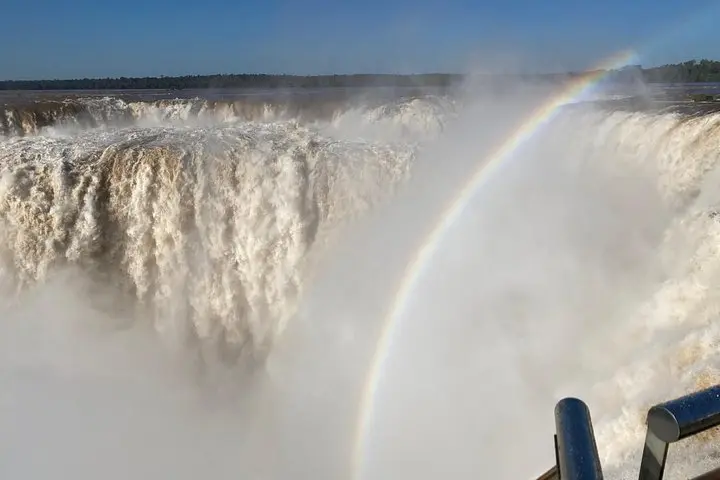
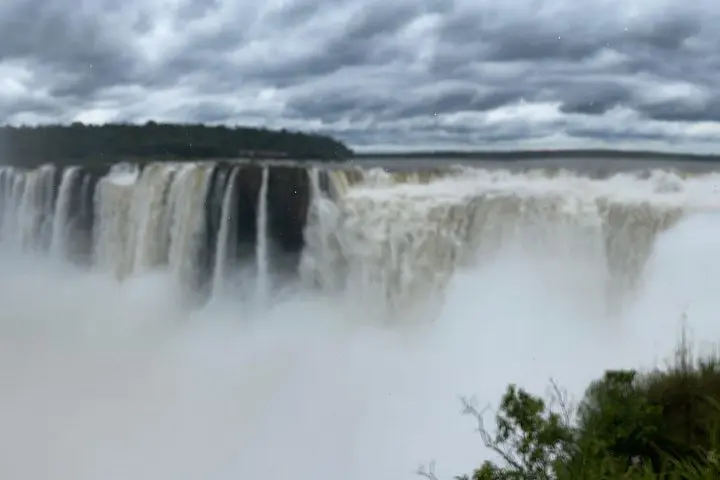
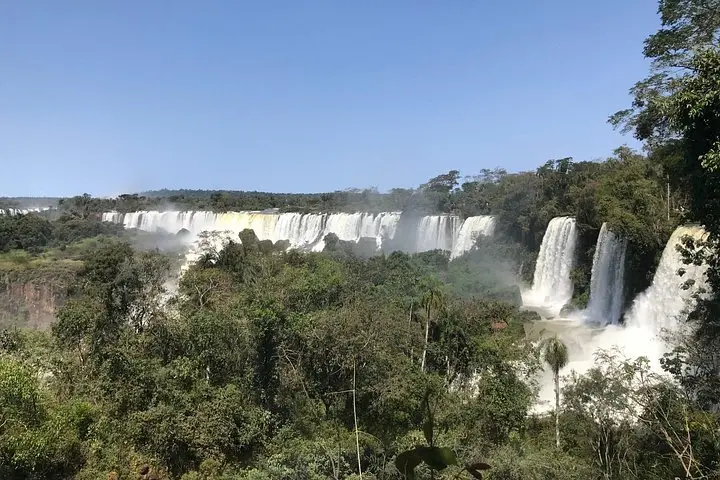
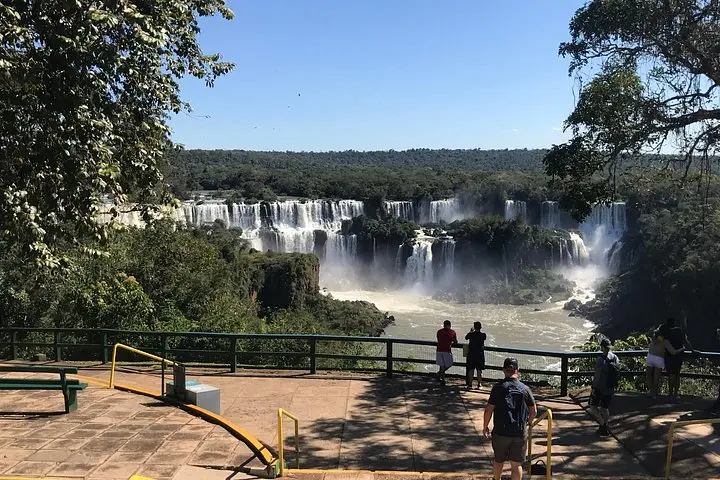
You step from the air-conditioned van into a wall of spray—the falls announcing themselves with thunder and the scent of wet stone. On the Brazilian side the viewpoints lay out like open theater seats, each overlook giving a broad, frontal panorama. Cross the border the next day and the Argentine walkways braid you into the cataracts, bringing you eye‑level with curtains of water and the roar of the Devil’s Throat.
You step from the air-conditioned van into a wall of spray—the falls announcing themselves with thunder and the scent of wet stone. On the Brazilian side the viewpoints lay out like open theater seats, each overlook giving a broad, frontal panorama. Cross the border the next day and the Argentine walkways braid you into the cataracts, bringing you eye‑level with curtains of water and the roar of the Devil’s Throat.
Geology here is blunt and visible: basalt plateaus fractured by ancient volcanic flows, then sculpted by the Iguaçu River into channels and cataracts. The falls sit at the meeting point of cultures—Guarani heritage, Portuguese and Spanish colonial histories, and modern hydroelectric development at nearby Itaipu—so the landscape carries both natural and human stories.
Guides usually cover flora and fauna—coatis, toucans, bromeliads and dense subtropical rainforest—while explaining park management across two national parks. Expect paved boardwalks on the Brazilian side, extended elevated catwalks and boat-launch points on the Argentine circuits, and variable amounts of mist that soak camera gear.
Practicalities: this private, multi‑day option includes transport, guide in English/German/Spanish, and door‑to‑door pickup. Entrance fees to both national parks and passports for the Argentina crossing are typically the traveler’s responsibility. Wear grip‑soled waterproof shoes, pack a light rain shell, and plan for full days of walking—bring water and a small waterproof bag for electronics. Morning visits reduce crowds and improve light for photography; late afternoon can be steamier and wetter. Stick to trails, follow your guide’s timing for border crossings, and leave wildlife undisturbed to keep this extraordinary place thriving for the next visitor.