THE ADVENTURE COLLECTIVE® · Independent discovery and booking for outdoor travel

A private, slower-paced 5-day Inca Trail that lets families and less-experienced hikers savor more time at ruins and take safer steps toward the Sun Gate. Expect high passes, cloud forest descents, and a deeply cultural route ending at Machu Picchu.
A private, slower-paced 5-day Inca Trail that lets families and less-experienced hikers savor more time at ruins and take safer steps toward the Sun Gate. Expect high passes, cloud forest descents, and a deeply cultural route ending at Machu Picchu.
Dawn breaks over Cusco as your small group boards a private vehicle toward km 82, the river valley contracting and then opening into the high Andes. You step from the bus onto ancient stone, the Urubamba’s current daring you to look back as the trail pulls you forward. The first day winds beside agricultural terraces and Inca ruins, and each campsite feels like a pause in a living history book.
Verified experiences and guided adventures in the surrounding area.
Operated by Inca Trail Specialist · Aguas Calientes (Machu Picchu Pueblo), Cusco Region
Dawn breaks over Cusco as your small group boards a private vehicle toward km 82, the river valley contracting and then opening into the high Andes. You step from the bus onto ancient stone, the Urubamba’s current daring you to look back as the trail pulls you forward. The first day winds beside agricultural terraces and Inca ruins, and each campsite feels like a pause in a living history book.
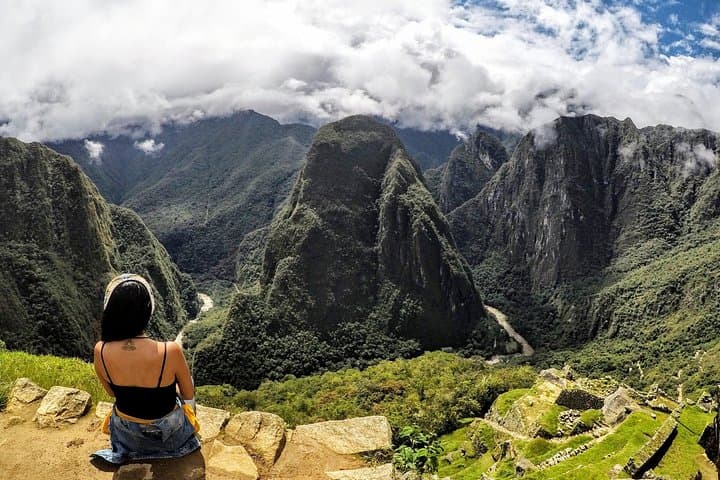
This slower-paced Inca Trail follows the classic route built by the Incas to link highland communities with Machu Picchu. Geologically the route traverses steep Andean slopes, cloud forest bands and puna grasslands; you climb to Dead Woman’s Pass at over 4,200 m and descend through subtropical cloud forest toward Wiñay Wayna. Culturally the trail threads small Quechua communities, engineered terraces, and ritual sites—expect guides to point out agricultural terraces, water channels, and carved stones used by pre-Columbian engineers.
Practically, this private 5-day itinerary covers about 45 km (26 miles) with daily stages of 4–9 hours of walking; the slow pace adds time at ruins and more recovery between climbs. Altitude is the main challenge—plan two extra days in Cusco to acclimatize if possible, drink coca tea, and pace your ascent. Footwear with stable soles, a waterproof shell, and layered insulation will make cold mornings and wet afternoons manageable. Porters handle tents and cooking; you’ll carry a daypack with water, snacks, and camera. Expect basic campsite facilities, hearty mountain meals, and the unmatched payoff: sunrise at the Sun Gate, Machu Picchu unfolding below like a place that both resists and rewards the climb.
Yes—permits are required and limited; they typically sell out months in advance. Private groups still need official permits tied to passports.
This slow 5-day version is designed for families and slower hikers, but all participants should have moderate fitness and acclimatize before starting.
Campsites offer designated tent areas prepared by porters; expect basic shared toilet facilities and communal dining tents with meals provided by the crew.
Ascend slowly, hydrate, avoid alcohol, use coca tea, consider acetazolamide after consulting a physician, and descend if symptoms worsen.
Inca Trail Specialist operates guided outdoor trips and adventures with an emphasis on safety, stewardship, and memorable experiences.


Dawn breaks over Cusco as your small group boards a private vehicle toward km 82, the river valley contracting and then opening into the high Andes. You step from the bus onto ancient stone, the Urubamba’s current daring you to look back as the trail pulls you forward. The first day winds beside agricultural terraces and Inca ruins, and each campsite feels like a pause in a living history book.
Dawn breaks over Cusco as your small group boards a private vehicle toward km 82, the river valley contracting and then opening into the high Andes. You step from the bus onto ancient stone, the Urubamba’s current daring you to look back as the trail pulls you forward. The first day winds beside agricultural terraces and Inca ruins, and each campsite feels like a pause in a living history book.
This slower-paced Inca Trail follows the classic route built by the Incas to link highland communities with Machu Picchu. Geologically the route traverses steep Andean slopes, cloud forest bands and puna grasslands; you climb to Dead Woman’s Pass at over 4,200 m and descend through subtropical cloud forest toward Wiñay Wayna. Culturally the trail threads small Quechua communities, engineered terraces, and ritual sites—expect guides to point out agricultural terraces, water channels, and carved stones used by pre-Columbian engineers.
Practically, this private 5-day itinerary covers about 45 km (26 miles) with daily stages of 4–9 hours of walking; the slow pace adds time at ruins and more recovery between climbs. Altitude is the main challenge—plan two extra days in Cusco to acclimatize if possible, drink coca tea, and pace your ascent. Footwear with stable soles, a waterproof shell, and layered insulation will make cold mornings and wet afternoons manageable. Porters handle tents and cooking; you’ll carry a daypack with water, snacks, and camera. Expect basic campsite facilities, hearty mountain meals, and the unmatched payoff: sunrise at the Sun Gate, Machu Picchu unfolding below like a place that both resists and rewards the climb.