THE ADVENTURE COLLECTIVE® · Independent discovery and booking for outdoor travel
Walk the classic Inca Trail across cloud forest, high passes and ancient stonework on this private 4-day trek to Machu Picchu. Expect sharp climbs, cultural sites, a porter system and an early sunrise finish at the Sun Gate.
Walk the classic Inca Trail across cloud forest, high passes and ancient stonework on this private 4-day trek to Machu Picchu. Expect sharp climbs, cultural sites, a porter system and an early sunrise finish at the Sun Gate.
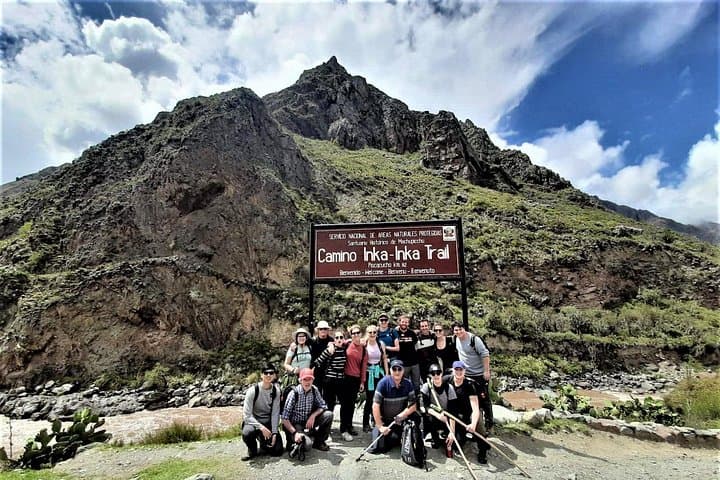
Predawn light at km 82 feels thin and electric — the trail ahead a ribbon of stone and cloud that climbs away from the river. On day one the path eases you into the high Andes, a steady climb to Ayapata (≈3,300 m) where tents and a steaming cup of coffee await. By day two the land hardens: Warmiwañuska (Dead Woman’s Pass) rises to about 4,200 m and forces a slow, rhythmic breathing that turns each step into an exercise in patience and reward.
Verified experiences and guided adventures in the surrounding area.
Operated by Ultimate Trekking · Aguas Calientes, Cusco Region
Predawn light at km 82 feels thin and electric — the trail ahead a ribbon of stone and cloud that climbs away from the river. On day one the path eases you into the high Andes, a steady climb to Ayapata (≈3,300 m) where tents and a steaming cup of coffee await. By day two the land hardens: Warmiwañuska (Dead Woman’s Pass) rises to about 4,200 m and forces a slow, rhythmic breathing that turns each step into an exercise in patience and reward.
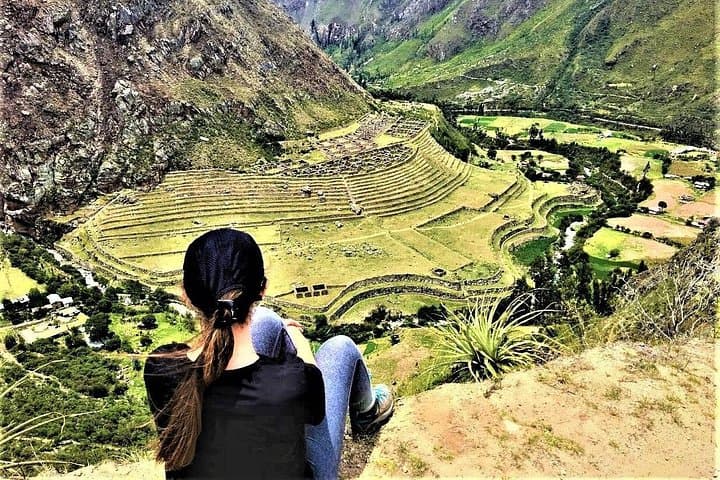
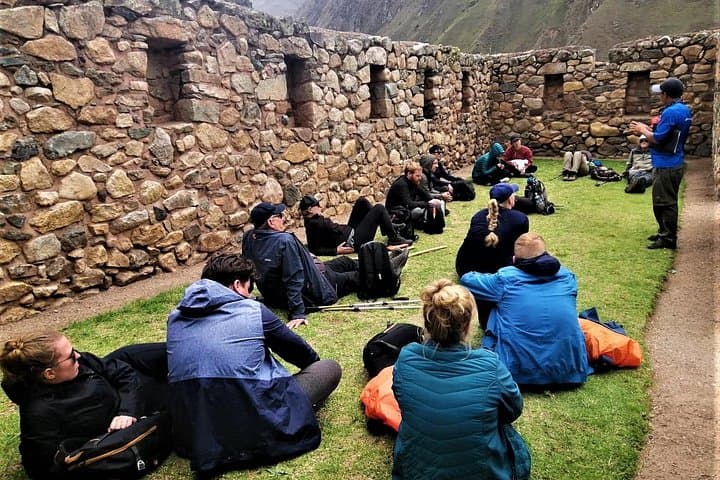
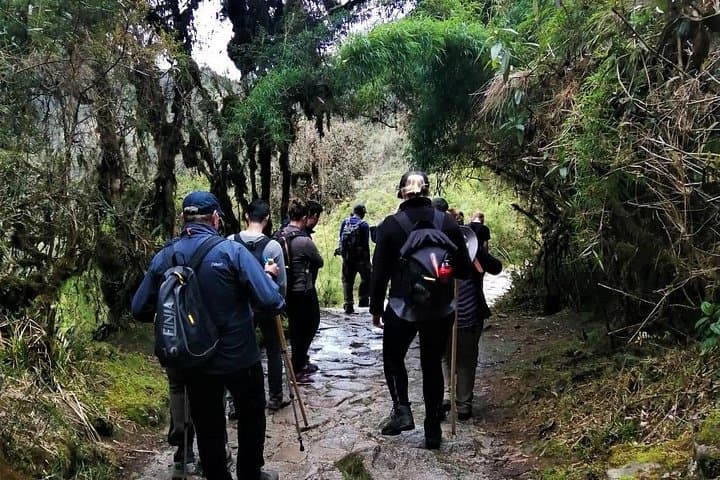
This trail is Inca engineering in motion: stone causeways, terraces and stairways cutting through steep flanks of volcanic rock and uplifted sedimentary layers. You move from high puna to moss-draped cloud forest, passing ruins and water channels that speak to the region’s agricultural and ritual past. Local Quechua communities have long ties to these corridors; modern operators often partner with porters and cooks who bring regional cuisine to the camps.
Practical guide: the itinerary covers roughly 40 km over four days with daily ascents and descents exceeding 800–1,000 m on big days. Permits and park tickets are required and typically included; carry passport details at booking. A personal porter is provided (7 kg limit), tents are shared two-per-4-man tent, and hot showers are advertised at select stops. Expect early starts (3:30–6:00 am), variable weather, muddy sections and steep stone steps.
Prepare by acclimatizing in Cusco for 48–72 hours, using trekking poles to protect knees on long descents, packing layered clothing for rapid temperature swings, and managing water and electrolytes to cope with altitude. Arrival at the Sun Gate and the first view of Machu Picchu is earned — and unforgettable.
Yes — permits to the Inca Trail and Machu Picchu are restricted and usually handled by the operator; book months in advance during high season.
The pass is the highest point on the classic route (~4,200 m) and involves ~4 hours of steep ascent; pace yourself, rest often and monitor for altitude symptoms.
Typical inclusions are transport to km 82, meals on trek, tent and sleeping arrangements (shared tents), personal porter (7 kg limit), expert guide, and entrance fees to the Inca Trail and Machu Picchu.
Basic composting or pit toilets are available at campsites; some operators advertise hot showers at select camps or upon return in Aguas Calientes.
Ultimate Trekking operates guided outdoor trips and adventures with an emphasis on safety, stewardship, and memorable experiences.
Predawn light at km 82 feels thin and electric — the trail ahead a ribbon of stone and cloud that climbs away from the river. On day one the path eases you into the high Andes, a steady climb to Ayapata (≈3,300 m) where tents and a steaming cup of coffee await. By day two the land hardens: Warmiwañuska (Dead Woman’s Pass) rises to about 4,200 m and forces a slow, rhythmic breathing that turns each step into an exercise in patience and reward.
Predawn light at km 82 feels thin and electric — the trail ahead a ribbon of stone and cloud that climbs away from the river. On day one the path eases you into the high Andes, a steady climb to Ayapata (≈3,300 m) where tents and a steaming cup of coffee await. By day two the land hardens: Warmiwañuska (Dead Woman’s Pass) rises to about 4,200 m and forces a slow, rhythmic breathing that turns each step into an exercise in patience and reward.
This trail is Inca engineering in motion: stone causeways, terraces and stairways cutting through steep flanks of volcanic rock and uplifted sedimentary layers. You move from high puna to moss-draped cloud forest, passing ruins and water channels that speak to the region’s agricultural and ritual past. Local Quechua communities have long ties to these corridors; modern operators often partner with porters and cooks who bring regional cuisine to the camps.
Practical guide: the itinerary covers roughly 40 km over four days with daily ascents and descents exceeding 800–1,000 m on big days. Permits and park tickets are required and typically included; carry passport details at booking. A personal porter is provided (7 kg limit), tents are shared two-per-4-man tent, and hot showers are advertised at select stops. Expect early starts (3:30–6:00 am), variable weather, muddy sections and steep stone steps.
Prepare by acclimatizing in Cusco for 48–72 hours, using trekking poles to protect knees on long descents, packing layered clothing for rapid temperature swings, and managing water and electrolytes to cope with altitude. Arrival at the Sun Gate and the first view of Machu Picchu is earned — and unforgettable.
