THE ADVENTURE COLLECTIVE® · Independent discovery and booking for outdoor travel

A private, 7–8 hour shore excursion from Incheon that packs Seoul’s top cultural sites—Gyeongbokgung Palace, Jogyesa Temple, Insadong, and Namdaemun Market—into a flexible, guided day tailored to cruise schedules.
A private, 7–8 hour shore excursion from Incheon that packs Seoul’s top cultural sites—Gyeongbokgung Palace, Jogyesa Temple, Insadong, and Namdaemun Market—into a flexible, guided day tailored to cruise schedules.
You step out of the cruise terminal and the city exhales—traffic and temple bells braided together as the guide leads a compact, private group toward the heart of Seoul. Over the next seven to eight hours the capital opens like a map: wide palace courtyards, narrow hanok alleys, temple incense drifting into high-rise shadows, and a market that insists you slow down.
Verified experiences and guided adventures in the surrounding area.
Operated by Joy Tour Korea · Incheon, Incheon
You step out of the cruise terminal and the city exhales—traffic and temple bells braided together as the guide leads a compact, private group toward the heart of Seoul. Over the next seven to eight hours the capital opens like a map: wide palace courtyards, narrow hanok alleys, temple incense drifting into high-rise shadows, and a market that insists you slow down.
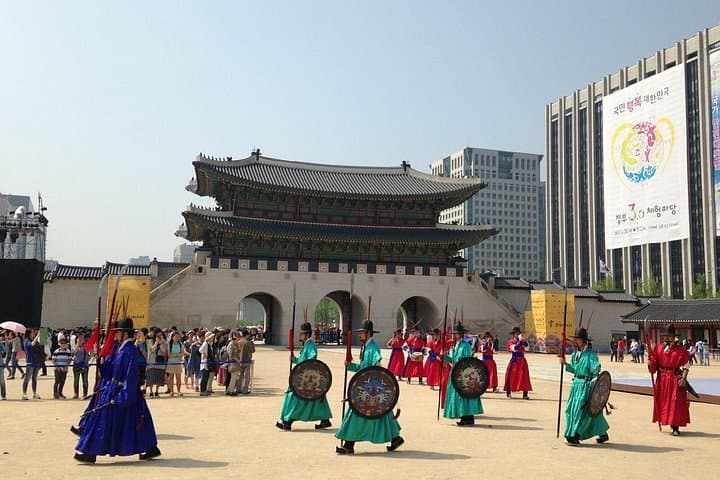
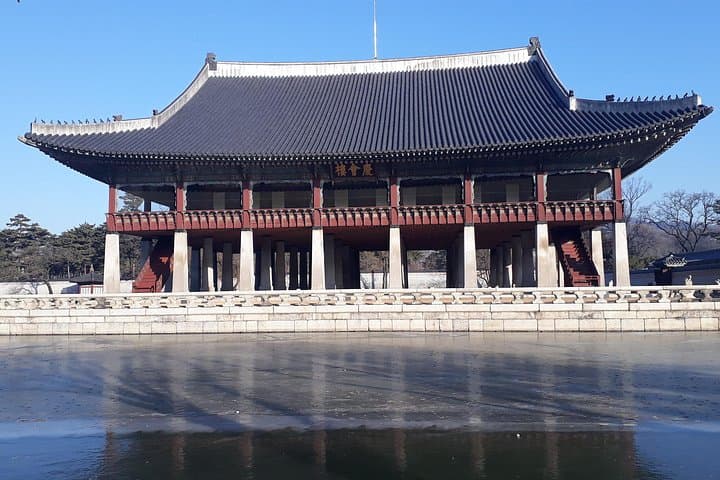
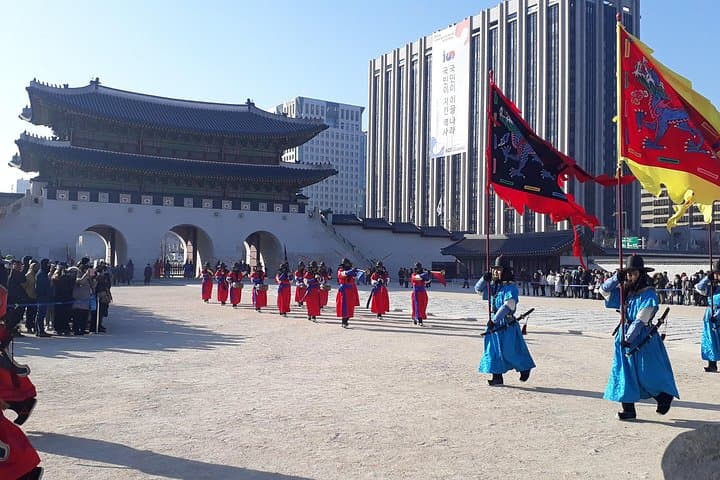
The tour centers on Gyeongbokgung Palace, the largest royal compound from the Joseon dynasty built in the late 14th century. Stones and timber keep the memory of Korea’s centralized monarchy; the guard-changing ceremony adds a theatrical, historical beat to the visit. Nearby, Jogyesa Temple offers a quieter counterpoint—Buddhist rituals and lanterns that reveal everyday spiritual life in modern Seoul. Insadong’s cultural street and Namdaemun Market supply tangible culture: tea houses, artisan shops, street food, and bargaining that’s part ritual, part sport.
Practical route and timing matter: the itinerary is flexible to fit ship schedules and includes round-trip transfer from the cruise terminal. Expect mostly flat urban walking on paved streets with short stair sections inside palaces and traditional alleys. Weather shapes the day—rain or heat change how you experience markets and temple courtyards—so timing and layering are useful.
For travelers, the day is a pragmatic immersion: bring water, cash for small vendors, comfortable shoes, and respect for religious spaces. The guide handles logistics and admissions; visitors handle curiosity and a readiness to walk when Seoul invites them forward.
The guide meets travelers at the Incheon cruise terminal arrival hall and returns to the same terminal at the end of the tour to match ship schedules.
Admission fees are included per the tour details, but personal expenses like souvenirs and additional snacks are not covered.
The tour notes wheelchair-accessible transportation and many sites are accessible, but palace courtyards and traditional alleys may have steps—notify the operator when booking to confirm accommodations.
Yes, the private format allows flexibility within the 7–8 hour window to prioritize specific sites or shorten visits based on ship departure times.
Joy Tour Korea operates guided outdoor trips and adventures with an emphasis on safety, stewardship, and memorable experiences.
You step out of the cruise terminal and the city exhales—traffic and temple bells braided together as the guide leads a compact, private group toward the heart of Seoul. Over the next seven to eight hours the capital opens like a map: wide palace courtyards, narrow hanok alleys, temple incense drifting into high-rise shadows, and a market that insists you slow down.
You step out of the cruise terminal and the city exhales—traffic and temple bells braided together as the guide leads a compact, private group toward the heart of Seoul. Over the next seven to eight hours the capital opens like a map: wide palace courtyards, narrow hanok alleys, temple incense drifting into high-rise shadows, and a market that insists you slow down.
The tour centers on Gyeongbokgung Palace, the largest royal compound from the Joseon dynasty built in the late 14th century. Stones and timber keep the memory of Korea’s centralized monarchy; the guard-changing ceremony adds a theatrical, historical beat to the visit. Nearby, Jogyesa Temple offers a quieter counterpoint—Buddhist rituals and lanterns that reveal everyday spiritual life in modern Seoul. Insadong’s cultural street and Namdaemun Market supply tangible culture: tea houses, artisan shops, street food, and bargaining that’s part ritual, part sport.
Practical route and timing matter: the itinerary is flexible to fit ship schedules and includes round-trip transfer from the cruise terminal. Expect mostly flat urban walking on paved streets with short stair sections inside palaces and traditional alleys. Weather shapes the day—rain or heat change how you experience markets and temple courtyards—so timing and layering are useful.
For travelers, the day is a pragmatic immersion: bring water, cash for small vendors, comfortable shoes, and respect for religious spaces. The guide handles logistics and admissions; visitors handle curiosity and a readiness to walk when Seoul invites them forward.