THE ADVENTURE COLLECTIVE® · Independent discovery and booking for outdoor travel

Walk Intramuros with a private guide on this full‑day tour that connects Fort Santiago, Rizal Park, St. Augustine’s Church and the Manila American Cemetery. Expect cobbles, colonial architecture and measured storytelling—plus two hours free to explore on foot.
Walk Intramuros with a private guide on this full‑day tour that connects Fort Santiago, Rizal Park, St. Augustine’s Church and the Manila American Cemetery. Expect cobbles, colonial architecture and measured storytelling—plus two hours free to explore on foot.
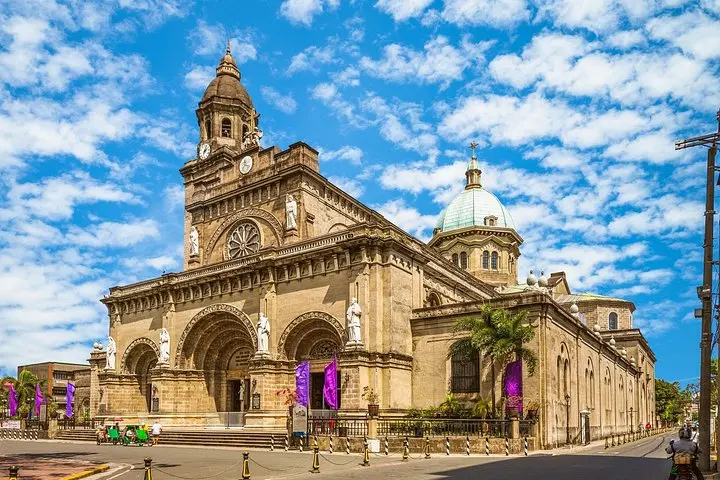
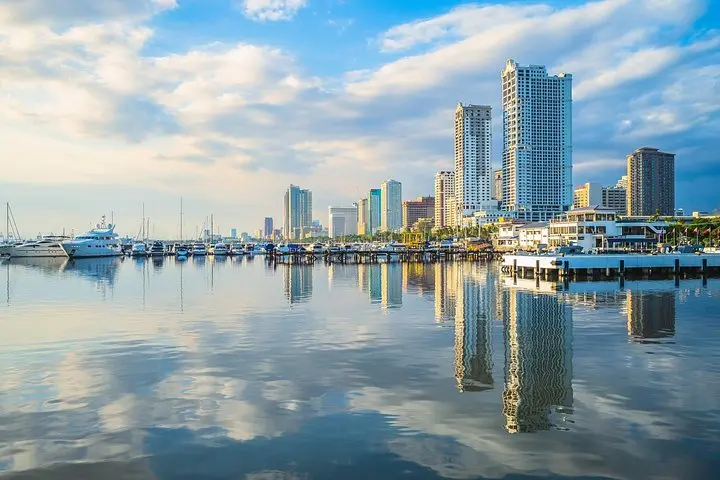
You step out of an air‑conditioned car onto cobbled streets that still remember Spanish footsteps. The walled city of Intramuros opens like a folded map: low stone ramparts, a cathedral bell, and the Pasig River glinting beyond the old walls. Your guide threads stories into the stones as you move from Fort Santiago’s mossed plazas to the wide green of Rizal Park.
Verified experiences and guided adventures in the surrounding area.
Operated by taxiGo Limo Airport Service · Manila, Metro Manila
You step out of an air‑conditioned car onto cobbled streets that still remember Spanish footsteps. The walled city of Intramuros opens like a folded map: low stone ramparts, a cathedral bell, and the Pasig River glinting beyond the old walls. Your guide threads stories into the stones as you move from Fort Santiago’s mossed plazas to the wide green of Rizal Park.
Intramuros and Luneta are living chapters of Philippine history—Fort Santiago, established in 1571, guarded a colonial capital; Luneta (Bagumbayan) is where José Rizal was executed in 1896. The area’s layered geology is simple—reclaimed river plains and alluvial soils beneath Manila—but the cultural strata are dense: colonial churches, Spanish colonial homes, and museums preserving trade and distillery histories.
Expect cobbles, narrow alleys, and horse‑drawn calesas sharing space with modern traffic. The guide explains stained glass in Manila Cathedral, points out Casa Manila’s period rooms, and walks you through the silent rows at the American Cemetery where the Pacific’s wartime history is etched in marble.
Practical notes: the full‑day private tour runs about six hours with two hours free to explore on foot. Wear sturdy shoes for uneven surfaces, carry sun protection and a water bottle, and allow extra time: Manila traffic can shape your schedule. Bring small bills for museum donations and be respectful inside churches. For travelers wanting context, this one‑day itinerary delivers concentrated history with a local guide who keeps the pace measured and the stories immediate.
The tour itinerary lists admissions included for several sites; the operator’s inclusions also cover fees and taxes—confirm specific museum entry policies at booking.
Intramuros has uneven cobblestones and limited ramps; some museums offer partial accessibility but overall the route may not be fully wheelchair friendly—check with the operator for custom arrangements.
Local professional guides typically speak English and Filipino; request language preferences when booking to confirm availability.
Full refund available if cancelled at least 24 hours before the scheduled departure time; no refund within 24 hours.
taxiGo Limo Airport Service operates guided outdoor trips and adventures with an emphasis on safety, stewardship, and memorable experiences.

You step out of an air‑conditioned car onto cobbled streets that still remember Spanish footsteps. The walled city of Intramuros opens like a folded map: low stone ramparts, a cathedral bell, and the Pasig River glinting beyond the old walls. Your guide threads stories into the stones as you move from Fort Santiago’s mossed plazas to the wide green of Rizal Park.
You step out of an air‑conditioned car onto cobbled streets that still remember Spanish footsteps. The walled city of Intramuros opens like a folded map: low stone ramparts, a cathedral bell, and the Pasig River glinting beyond the old walls. Your guide threads stories into the stones as you move from Fort Santiago’s mossed plazas to the wide green of Rizal Park.
Intramuros and Luneta are living chapters of Philippine history—Fort Santiago, established in 1571, guarded a colonial capital; Luneta (Bagumbayan) is where José Rizal was executed in 1896. The area’s layered geology is simple—reclaimed river plains and alluvial soils beneath Manila—but the cultural strata are dense: colonial churches, Spanish colonial homes, and museums preserving trade and distillery histories.
Expect cobbles, narrow alleys, and horse‑drawn calesas sharing space with modern traffic. The guide explains stained glass in Manila Cathedral, points out Casa Manila’s period rooms, and walks you through the silent rows at the American Cemetery where the Pacific’s wartime history is etched in marble.
Practical notes: the full‑day private tour runs about six hours with two hours free to explore on foot. Wear sturdy shoes for uneven surfaces, carry sun protection and a water bottle, and allow extra time: Manila traffic can shape your schedule. Bring small bills for museum donations and be respectful inside churches. For travelers wanting context, this one‑day itinerary delivers concentrated history with a local guide who keeps the pace measured and the stories immediate.