THE ADVENTURE COLLECTIVE® · Independent discovery and booking for outdoor travel

Spend a private day on the water exploring Charleston’s barrier islands: watch dolphins hunt inlet currents, birdwatch marsh edges, swim in sheltered coves, and picnic on a quiet beach. This flexible boat trip is ideal for photographers and families seeking a low-effort, high-reward coastal experience.
Spend a private day on the water exploring Charleston’s barrier islands: watch dolphins hunt inlet currents, birdwatch marsh edges, swim in sheltered coves, and picnic on a quiet beach. This flexible boat trip is ideal for photographers and families seeking a low-effort, high-reward coastal experience.
The engine eases you away from the dock and the city horizon falls behind. Salt air fills your lungs as marsh grass and low-slung islands slide past — gulls map the wake and dolphins arc through the channel as if daring the boat to keep up.
Verified experiences and guided adventures in the surrounding area.
Operated by Sundog Sailing Charleston · Charleston, South Carolina
The engine eases you away from the dock and the city horizon falls behind. Salt air fills your lungs as marsh grass and low-slung islands slide past — gulls map the wake and dolphins arc through the channel as if daring the boat to keep up.
This is the Lowcountry: a coastline shaped by shifting sand, tidal rivers and centuries of human commerce. The barrier islands you visit are living features of recent geology, built and rebuilt by storms and currents; their inlets guided colonial trade and now host shrimp boats, herons and recreational skiffs. The nearby towns carry echoes of coastal culture — from working docks to Gullah traditions rooted in the rice and salt-marsh economy.
Expect wide-open water, narrow tidal creeks and exposed sandbars depending on tides and the route chosen. Birdlife concentrates along marsh edges; dolphins hunt the inlet’s current lines. Photographers will find low, reflective light and fast action; swimmers can anchor in protected coves when conditions allow.
Practical guidance: bring reef-safe sunscreen, a secure bag for phones and cameras, and footwear that grips a wet deck. Boats can be private and flexible — plan your picnic and timing with your captain, and confirm meeting instructions before arrival. Check tide tables and bring a light wind layer for cooler mornings. Keep distance from marine wildlife and follow your guide’s instructions for safe swim stops.
This trip is an easy, accessible way to see Charleston’s coastal ecology up close — part natural history lesson, part leisurely day on the water.
Departure is from the operator’s dock; confirmation email and staff will give exact dock and check-in instructions—call ahead to confirm.
Yes, options include private charters so your group can customize timing, swimming stops and picnic plans.
Yes, swim stops are offered when conditions are safe; the captain will choose sheltered spots and advise on currents and tides.
The operator lists wheelchair-accessible options, but accessibility depends on vessel boarding logistics—notify the operator in advance to arrange assistance.
Sundog Sailing Charleston operates guided outdoor trips and adventures with an emphasis on safety, stewardship, and memorable experiences.
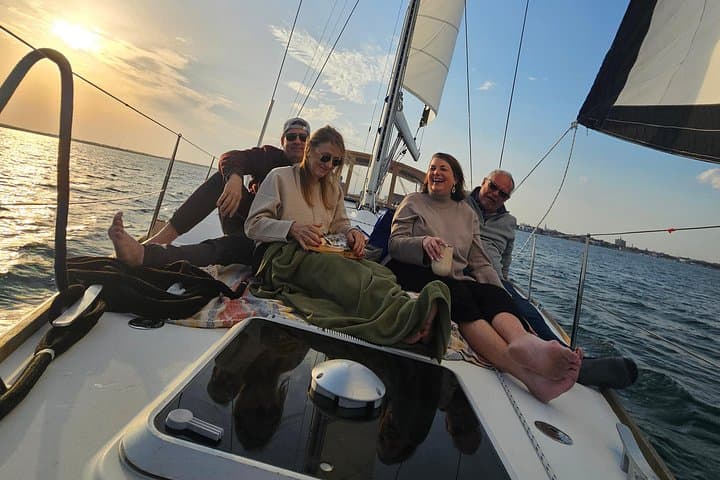


The engine eases you away from the dock and the city horizon falls behind. Salt air fills your lungs as marsh grass and low-slung islands slide past — gulls map the wake and dolphins arc through the channel as if daring the boat to keep up.
The engine eases you away from the dock and the city horizon falls behind. Salt air fills your lungs as marsh grass and low-slung islands slide past — gulls map the wake and dolphins arc through the channel as if daring the boat to keep up.
This is the Lowcountry: a coastline shaped by shifting sand, tidal rivers and centuries of human commerce. The barrier islands you visit are living features of recent geology, built and rebuilt by storms and currents; their inlets guided colonial trade and now host shrimp boats, herons and recreational skiffs. The nearby towns carry echoes of coastal culture — from working docks to Gullah traditions rooted in the rice and salt-marsh economy.
Expect wide-open water, narrow tidal creeks and exposed sandbars depending on tides and the route chosen. Birdlife concentrates along marsh edges; dolphins hunt the inlet’s current lines. Photographers will find low, reflective light and fast action; swimmers can anchor in protected coves when conditions allow.
Practical guidance: bring reef-safe sunscreen, a secure bag for phones and cameras, and footwear that grips a wet deck. Boats can be private and flexible — plan your picnic and timing with your captain, and confirm meeting instructions before arrival. Check tide tables and bring a light wind layer for cooler mornings. Keep distance from marine wildlife and follow your guide’s instructions for safe swim stops.
This trip is an easy, accessible way to see Charleston’s coastal ecology up close — part natural history lesson, part leisurely day on the water.