THE ADVENTURE COLLECTIVE® · Independent discovery and booking for outdoor travel

Spend a full day on a private cay off Providenciales—snorkel clear reefs, stroll a quiet sandbar, and enjoy lunch and local beer in a shaded beach setup. This intimate, six-hour escape pairs easy adventure with island stewardship.
Spend a full day on a private cay off Providenciales—snorkel clear reefs, stroll a quiet sandbar, and enjoy lunch and local beer in a shaded beach setup. This intimate, six-hour escape pairs easy adventure with island stewardship.
The motor hums, a steady metronome under a sky the color of spilled turquoise. You push off from a Providenciales marina and the shore peels away—hot pavement, pastel hotels, the brief bustle of arrivals. Within 20–40 minutes the boat slips onto a shallow carbonate platform where the water flattens into glass and a strip of white sand seems to have been arranged for two. The day that follows is easy and deliberate: snorkeling over coral gardens, a quiet walk across a low sandbar, then lunch under a canvas awning while ocean breezes rearrange your thoughts.
Verified experiences and guided adventures in the surrounding area.
Operated by Caribbean Cruisin · Providenciales, Turks and Caicos Islands
The motor hums, a steady metronome under a sky the color of spilled turquoise. You push off from a Providenciales marina and the shore peels away—hot pavement, pastel hotels, the brief bustle of arrivals. Within 20–40 minutes the boat slips onto a shallow carbonate platform where the water flattens into glass and a strip of white sand seems to have been arranged for two. The day that follows is easy and deliberate: snorkeling over coral gardens, a quiet walk across a low sandbar, then lunch under a canvas awning while ocean breezes rearrange your thoughts.
The Turks and Caicos sit on the Caicos Bank, one of the largest shallow carbonate platforms on Earth. The islands are low and horizontal by geology’s standards; there are no dramatic peaks, only long beaches and limestone edges carved by wind and sea. That flatness shaped local life—Lucayan peoples fished and moved between cays, then European salt rakers and British colonials later shaped the modern settlements like Providenciales. Today, small cays remain largely undeveloped, held as private or protected spaces where reef and beach still behave like living things with agency—the current nudges you toward the coral, the tide returns you to the shallows.
Culture here is quietly maritime. You’ll taste it in a sandwich made with local conch, in the cadence of a guide’s stories about iguanas on Little Water Cay, in the polite firmness of rules protecting the reef. Guides are both hosts and stewards: they set snorkel routes through shallow seagrass and coral, point out sea turtles and nurse sharks, and remind guests to keep fins and fingers respectful of fragile structures.
Practicalities are straightforward. The trip runs about six hours, includes pickup and drop-off in Providenciales, snorkeling equipment, lunch, local beer, and shade on the beach. Expect short sandy walks—roughly 100–300 meters from boat to shore—and snorkeling in water typically 3–15 feet deep. Sunscreen, a reef-safe variety, is non-negotiable; the sun is sharp and the sand reflects heat.
Plan for light, breathable clothing, secure footwear for the dock, and a dry bag for phones. Early morning departures lend the clearest water for underwater photography; afternoons bring warmth and gentler currents. Because the islands are ecologically sensitive, follow guides’ instructions, avoid touching coral, and take all trash back to the mainland.
For couples seeking uncomplicated privacy, this is a pragmatic, sun-forward day that feels luxuriously removed without being remote. You leave with sand between your toes, a small cache of photographs, and a clearer sense of why these flat, bright isles have long drawn people looking to slow down and look out.
Typical transfer time to nearby private cays is 20–40 minutes depending on the specific island and sea conditions.
Yes—snorkeling equipment is included, though some guests prefer to bring their own mask for fit and comfort.
The tour is suitable for non-swimmers who stay in shallow water or enjoy the beach; basic mobility is required for boarding and short walks on sand.
Lunch typically includes sandwiches, local beer, and refreshments; guides may also offer snacks and bottled water.
Most small private cays do not have permanent facilities; operators provide bathroom options on the boat during the trip.
For a full refund cancel at least 24 hours before departure; the operator will cancel for bad weather as noted in booking terms.
Caribbean Cruisin operates guided outdoor trips and adventures with an emphasis on safety, stewardship, and memorable experiences.
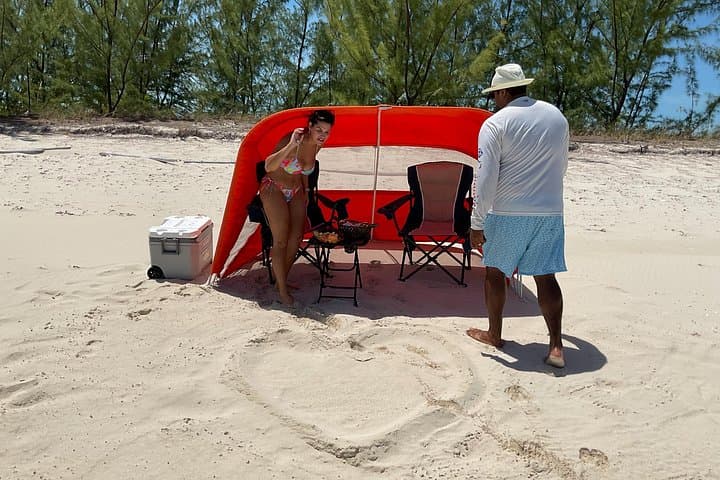
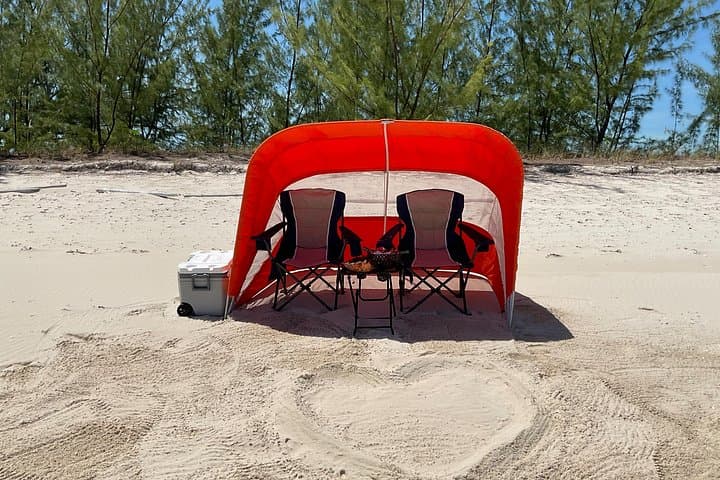
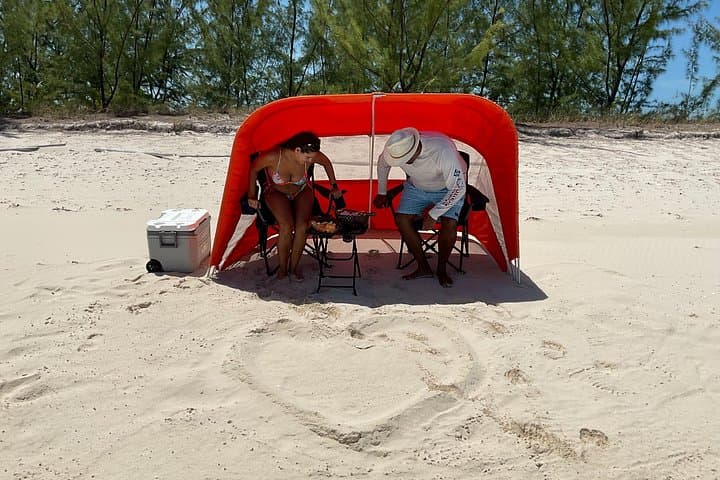
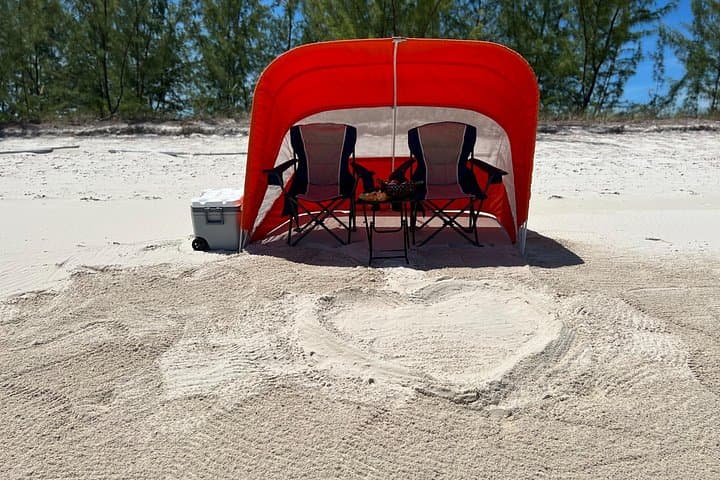
The motor hums, a steady metronome under a sky the color of spilled turquoise. You push off from a Providenciales marina and the shore peels away—hot pavement, pastel hotels, the brief bustle of arrivals. Within 20–40 minutes the boat slips onto a shallow carbonate platform where the water flattens into glass and a strip of white sand seems to have been arranged for two. The day that follows is easy and deliberate: snorkeling over coral gardens, a quiet walk across a low sandbar, then lunch under a canvas awning while ocean breezes rearrange your thoughts.
The motor hums, a steady metronome under a sky the color of spilled turquoise. You push off from a Providenciales marina and the shore peels away—hot pavement, pastel hotels, the brief bustle of arrivals. Within 20–40 minutes the boat slips onto a shallow carbonate platform where the water flattens into glass and a strip of white sand seems to have been arranged for two. The day that follows is easy and deliberate: snorkeling over coral gardens, a quiet walk across a low sandbar, then lunch under a canvas awning while ocean breezes rearrange your thoughts.
The Turks and Caicos sit on the Caicos Bank, one of the largest shallow carbonate platforms on Earth. The islands are low and horizontal by geology’s standards; there are no dramatic peaks, only long beaches and limestone edges carved by wind and sea. That flatness shaped local life—Lucayan peoples fished and moved between cays, then European salt rakers and British colonials later shaped the modern settlements like Providenciales. Today, small cays remain largely undeveloped, held as private or protected spaces where reef and beach still behave like living things with agency—the current nudges you toward the coral, the tide returns you to the shallows.
Culture here is quietly maritime. You’ll taste it in a sandwich made with local conch, in the cadence of a guide’s stories about iguanas on Little Water Cay, in the polite firmness of rules protecting the reef. Guides are both hosts and stewards: they set snorkel routes through shallow seagrass and coral, point out sea turtles and nurse sharks, and remind guests to keep fins and fingers respectful of fragile structures.
Practicalities are straightforward. The trip runs about six hours, includes pickup and drop-off in Providenciales, snorkeling equipment, lunch, local beer, and shade on the beach. Expect short sandy walks—roughly 100–300 meters from boat to shore—and snorkeling in water typically 3–15 feet deep. Sunscreen, a reef-safe variety, is non-negotiable; the sun is sharp and the sand reflects heat.
Plan for light, breathable clothing, secure footwear for the dock, and a dry bag for phones. Early morning departures lend the clearest water for underwater photography; afternoons bring warmth and gentler currents. Because the islands are ecologically sensitive, follow guides’ instructions, avoid touching coral, and take all trash back to the mainland.
For couples seeking uncomplicated privacy, this is a pragmatic, sun-forward day that feels luxuriously removed without being remote. You leave with sand between your toes, a small cache of photographs, and a clearer sense of why these flat, bright isles have long drawn people looking to slow down and look out.