THE ADVENTURE COLLECTIVE® · Independent discovery and booking for outdoor travel

Spend a half day on a working Thar farm picking Bair, Kair and Sangri, then sit down to a lunch made from what you’ve harvested. The Private Jaisalmer Rural Farm Tour combines easy walking, hands-on food experiences, and private transport for a grounded look at desert agriculture.
Spend a half day on a working Thar farm picking Bair, Kair and Sangri, then sit down to a lunch made from what you’ve harvested. The Private Jaisalmer Rural Farm Tour combines easy walking, hands-on food experiences, and private transport for a grounded look at desert agriculture.
A low sun burns the horizon as a small convoy slips out of Jaisalmer and across flat, ochre fields toward a working desert farm. Guests step from the vehicle to a quiet measured space where thorny trees and scrub introduce themselves with the dry scent of the Thar; the wind moves the acacia branches as if checking your pockets for seeds.
Verified experiences and guided adventures in the surrounding area.
Operated by Mystic Camel Safari Day Tour · Jaisalmer, Rajasthan
A low sun burns the horizon as a small convoy slips out of Jaisalmer and across flat, ochre fields toward a working desert farm. Guests step from the vehicle to a quiet measured space where thorny trees and scrub introduce themselves with the dry scent of the Thar; the wind moves the acacia branches as if checking your pockets for seeds.
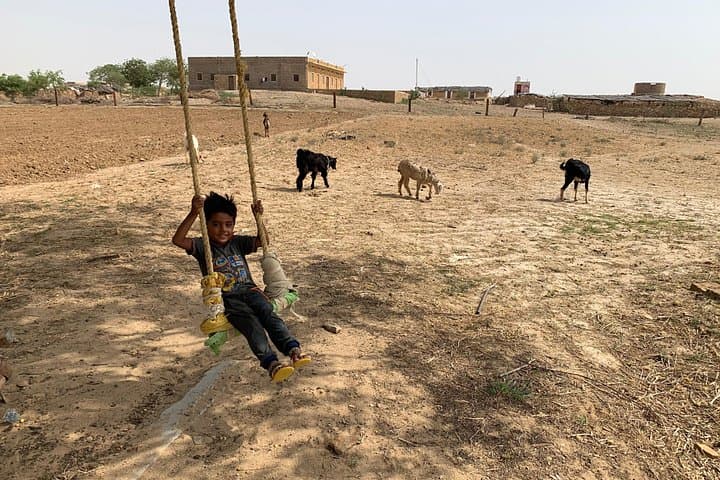
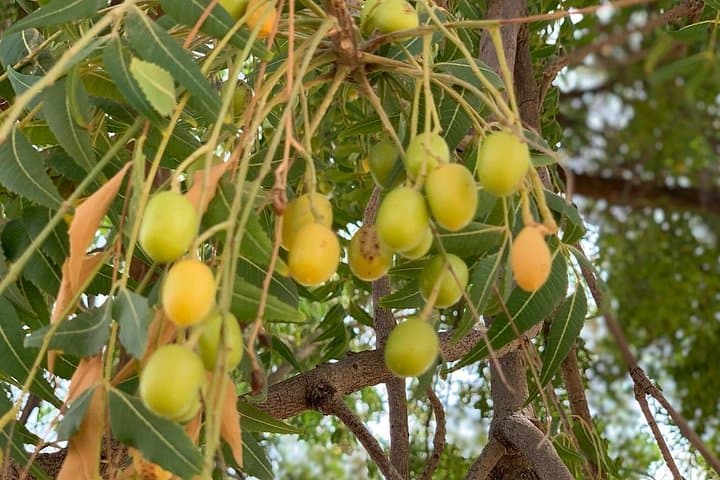
The Thar's human history is agricultural improvisation: crop cycles timed to scant rains, crops like Bair, Kair and Sangri adapted to salt and drought. The farm visit connects that practice to present-day life—picking berries and pods, learning how seasonal beans become the day's lentil-based lunch, and sitting down to a fresh lassi or masala chai made on the spot. Geologically the region is broad alluvial plains with sandy pockets; elevation is low and walking is easy, over compacted farm tracks and soft sand.
Culturally the tour is a practical lesson in desert foodways—what grows, how families conserve water and how seasonal harvests shape menus. Expect guided demonstrations, a rustic alfresco meal using ingredients you helped collect, and time to buy small quantities of grains or vegetables to take home.
Practical details: the experience runs about 5–6 hours with minimal elevation change and 2–4 km of casual walking. Private transport is included; mornings and late afternoons are best to avoid peak heat. Wear closed-toe shoes for thorny scrub, carry at least 1–1.5 liters of water, use sun protection, and notify hosts of allergies in advance. This is an accessible, low‑intensity cultural outing that rewards curiosity and basic preparation.
The private farm visit runs about 5–6 hours including transport from central Jaisalmer and a hands-on picking session followed by lunch.
Yes—infants and small children can be accommodated and strollers may be used, but some farm surfaces are uneven so a lightweight stroller is best.
Small quantities of seasonal grains or vegetables are typically available to take home; confirm availability and packaging with the host during booking.
Provide dietary restrictions, exact pickup location, passenger names and passport details if required for private transport arrangements.
Mystic Camel Safari Day Tour operates guided outdoor trips and adventures with an emphasis on safety, stewardship, and memorable experiences.
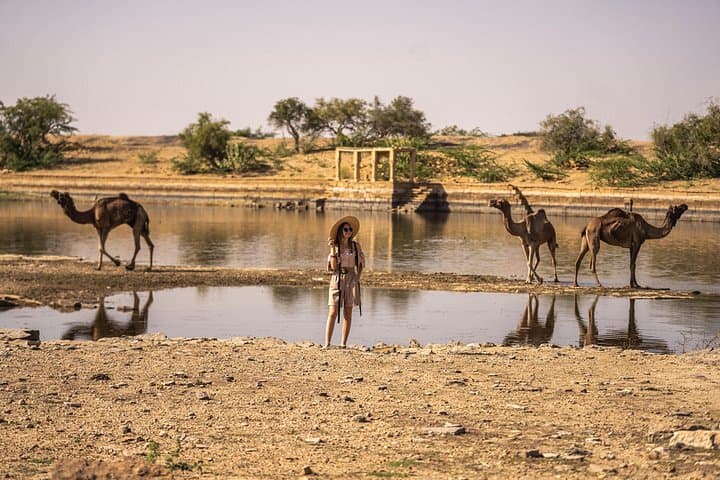
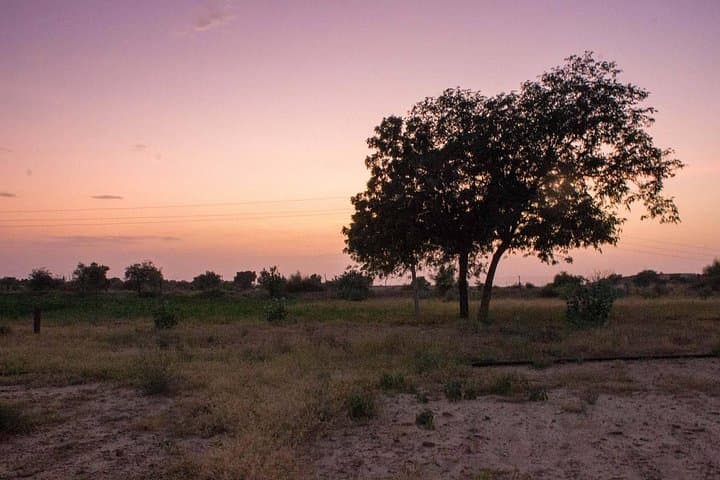
A low sun burns the horizon as a small convoy slips out of Jaisalmer and across flat, ochre fields toward a working desert farm. Guests step from the vehicle to a quiet measured space where thorny trees and scrub introduce themselves with the dry scent of the Thar; the wind moves the acacia branches as if checking your pockets for seeds.
A low sun burns the horizon as a small convoy slips out of Jaisalmer and across flat, ochre fields toward a working desert farm. Guests step from the vehicle to a quiet measured space where thorny trees and scrub introduce themselves with the dry scent of the Thar; the wind moves the acacia branches as if checking your pockets for seeds.
The Thar's human history is agricultural improvisation: crop cycles timed to scant rains, crops like Bair, Kair and Sangri adapted to salt and drought. The farm visit connects that practice to present-day life—picking berries and pods, learning how seasonal beans become the day's lentil-based lunch, and sitting down to a fresh lassi or masala chai made on the spot. Geologically the region is broad alluvial plains with sandy pockets; elevation is low and walking is easy, over compacted farm tracks and soft sand.
Culturally the tour is a practical lesson in desert foodways—what grows, how families conserve water and how seasonal harvests shape menus. Expect guided demonstrations, a rustic alfresco meal using ingredients you helped collect, and time to buy small quantities of grains or vegetables to take home.
Practical details: the experience runs about 5–6 hours with minimal elevation change and 2–4 km of casual walking. Private transport is included; mornings and late afternoons are best to avoid peak heat. Wear closed-toe shoes for thorny scrub, carry at least 1–1.5 liters of water, use sun protection, and notify hosts of allergies in advance. This is an accessible, low‑intensity cultural outing that rewards curiosity and basic preparation.