
Private JDM Sports Car Tour from Tokyo to Mt Fuji & Hakone — Scenic Roads, Shrines & Onsen
Take the passenger seat in a GT‑R or Supra and let a licensed driver lead you through Hakone’s mountain passes, torii‑framed lakeshores, and geothermal onsen — all with sweeping views of Mount Fuji. This private, full‑day JDM tour blends scenic driving roads with cultural stops and thermal relaxation.
An Adventure In Tokyo.
Take the passenger seat in a GT‑R or Supra and let a licensed driver lead you through Hakone’s mountain passes, torii‑framed lakeshores, and geothermal onsen — all with sweeping views of Mount Fuji. This private, full‑day JDM tour blends scenic driving roads with cultural stops and thermal relaxation.
Read the full experience
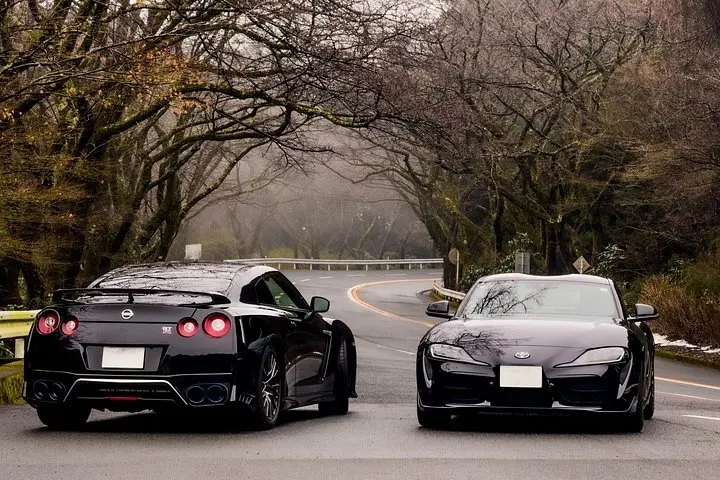
The morning air in Tokyo still smells faintly of espresso and commuter exhaust as a row of carefully maintained JDM icons pulls up to a hotel curb. You step into the passenger seat of a Nissan GT-R — or a Supra if you chose it — while your licensed driver, part guide and part chauffeur, checks the route on a tablet and nods toward the horizon. The city dissolves behind you, replaced by a long green ribbon of highway that climbs out of the plain toward the volcanic shoulders of Hakone. The road curves, and the landscape begins to take on an ambition: lakes that dare you to look away, pines that lean in like quiet spectators, and on clear days Mount Fuji rising white and perfect, as if the world had been built around that one peak.
The morning air in Tokyo still smells faintly of espresso and commuter exhaust as a row of carefully maintained JDM icons pulls up to a hotel curb. You step into the passenger seat of a Nissan GT-R — or a Supra if you chose it — while your licensed driver, part guide and part chauffeur, checks the route on a tablet and nods toward the horizon. The city dissolves behind you, replaced by a long green ribbon of highway that climbs out of the plain toward the volcanic shoulders of Hakone. The road curves, and the landscape begins to take on an ambition: lakes that dare you to look away, pines that lean in like quiet spectators, and on clear days Mount Fuji rising white and perfect, as if the world had been built around that one peak.
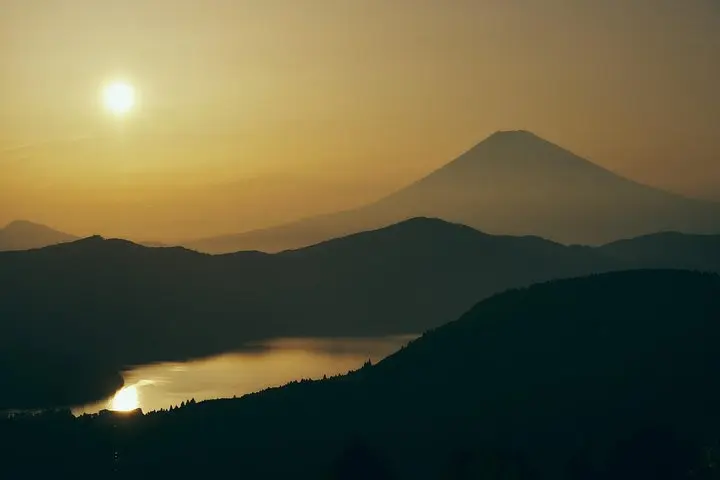
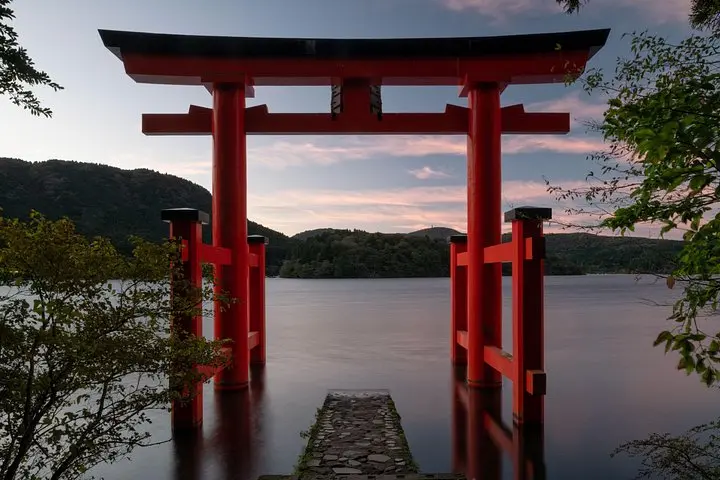
This private tour threads together places that define the Fuji–Hakone arc. Geologically, you're moving along the rim of the Hakone caldera — a landscape carved by fire and time — toward views of Mount Fuji, Japan’s iconic stratovolcano. Culturally, stops at Lake Ashi and Hakone Shrine introduce Shinto gates (torii) and shrine precincts that have guided travelers for centuries; the onsen visit points to Japan’s long tradition of thermal bathing. Along the way the roads popularized by driving enthusiasts hold an almost cultlike status in the JDM community: sweepers, hairpins, and observatories that offer the kind of panoramas automotive photographers dream about.
The itinerary balances spectacle and pace. Expect about 9–10 hours on the road, with multiple 20–120 minute stops: scenic overlooks for Fuji, a lakeside shrine visit, a lakeshore drive past red torii, lunch and onsen relaxation, and a choice between the sculpture-filled Hakone Open-Air Museum or the Pola Museum’s impressionist-heavy interiors. The driving itself stays on well-maintained tarmac; elevation climbs can reach roughly 700–800 meters on the mountain passes, but you remain a passenger, able to watch the curves and conserve energy.
Practicalities matter: visibility for Mount Fuji is best in winter and on clear mornings; bring layers — mountain weather changes fast — and a camera with a telephoto lens. Onsen facilities have rules: tattoos may be restricted, and small public baths sometimes require additional fee or reservation. The tour includes tolls, parking, Wi‑Fi and hotel pickup across Tokyo’s 23 wards, and everything can be tailored; if you want a particular car model or extra stops, ask at booking. Hydrate between stops, carry some cash for shrine offerings and small eateries, and save room for a post‑onsen nap — the slow drift that follows hot water and mountain air is one of the trip’s quiet rewards.
Frequently asked questions
No—this private experience is chauffeur‑driven by a licensed driver and guide; passengers enjoy the ride, scenery, and stops.
Yes—the operator will pick up from hotels, Airbnbs or train stations within Tokyo’s 23 wards; provide your pickup address when booking.
Visibility depends on weather—clear winter mornings and early spring are best; guides plan viewpoints to maximize sighting chances but cannot guarantee views.
The tour includes transportation and selected stops; admissions to museums and meals at independent restaurants are typically not included—check the booking details.
Yes—it's a private tour so stops, onsen choices, and car model selection can be adapted to preferences when requested ahead of time.
Vehicles accommodate small luggage and infant seats are available upon request—note any special requirements when booking.
About This Experience
Elie operates guided outdoor trips and adventures with an emphasis on safety, stewardship, and memorable experiences.
Adventure tips
Recommended gear
- Layered Jacket: Mountain passes can be windy and temperatures drop with elevation—layers keep you comfortable.
- Compact Camera / Telephoto Lens: Telephoto helps isolate Mount Fuji and capture details of torii and sculptures at the open‑air museum.
- Comfortable Walking Shoes: Short walks at shrines, viewpoints, and museums often mean gravel, steps, and uneven ground.
- Small Cash Stash (¥): Useful for shrine offerings, small eateries, and onsen fees that may be cash‑preferred.
Photos of the experience

Related adventures & guides
Read the full experience
The morning air in Tokyo still smells faintly of espresso and commuter exhaust as a row of carefully maintained JDM icons pulls up to a hotel curb. You step into the passenger seat of a Nissan GT-R — or a Supra if you chose it — while your licensed driver, part guide and part chauffeur, checks the route on a tablet and nods toward the horizon. The city dissolves behind you, replaced by a long green ribbon of highway that climbs out of the plain toward the volcanic shoulders of Hakone. The road curves, and the landscape begins to take on an ambition: lakes that dare you to look away, pines that lean in like quiet spectators, and on clear days Mount Fuji rising white and perfect, as if the world had been built around that one peak.
The morning air in Tokyo still smells faintly of espresso and commuter exhaust as a row of carefully maintained JDM icons pulls up to a hotel curb. You step into the passenger seat of a Nissan GT-R — or a Supra if you chose it — while your licensed driver, part guide and part chauffeur, checks the route on a tablet and nods toward the horizon. The city dissolves behind you, replaced by a long green ribbon of highway that climbs out of the plain toward the volcanic shoulders of Hakone. The road curves, and the landscape begins to take on an ambition: lakes that dare you to look away, pines that lean in like quiet spectators, and on clear days Mount Fuji rising white and perfect, as if the world had been built around that one peak.
This private tour threads together places that define the Fuji–Hakone arc. Geologically, you're moving along the rim of the Hakone caldera — a landscape carved by fire and time — toward views of Mount Fuji, Japan’s iconic stratovolcano. Culturally, stops at Lake Ashi and Hakone Shrine introduce Shinto gates (torii) and shrine precincts that have guided travelers for centuries; the onsen visit points to Japan’s long tradition of thermal bathing. Along the way the roads popularized by driving enthusiasts hold an almost cultlike status in the JDM community: sweepers, hairpins, and observatories that offer the kind of panoramas automotive photographers dream about.
The itinerary balances spectacle and pace. Expect about 9–10 hours on the road, with multiple 20–120 minute stops: scenic overlooks for Fuji, a lakeside shrine visit, a lakeshore drive past red torii, lunch and onsen relaxation, and a choice between the sculpture-filled Hakone Open-Air Museum or the Pola Museum’s impressionist-heavy interiors. The driving itself stays on well-maintained tarmac; elevation climbs can reach roughly 700–800 meters on the mountain passes, but you remain a passenger, able to watch the curves and conserve energy.
Practicalities matter: visibility for Mount Fuji is best in winter and on clear mornings; bring layers — mountain weather changes fast — and a camera with a telephoto lens. Onsen facilities have rules: tattoos may be restricted, and small public baths sometimes require additional fee or reservation. The tour includes tolls, parking, Wi‑Fi and hotel pickup across Tokyo’s 23 wards, and everything can be tailored; if you want a particular car model or extra stops, ask at booking. Hydrate between stops, carry some cash for shrine offerings and small eateries, and save room for a post‑onsen nap — the slow drift that follows hot water and mountain air is one of the trip’s quiet rewards.
Make a day of it nearby.
Verified experiences and guided adventures in the surrounding area.