THE ADVENTURE COLLECTIVE® · Independent discovery and booking for outdoor travel

Drive river fords and skirt glacier tongues on a full-day private jeep tour from Reykjavík to Thorsmork and Eyjafjallajökull. Expect waterfalls, slot canyons and up-close views of the volcano that erupted in 2010.
Drive river fords and skirt glacier tongues on a full-day private jeep tour from Reykjavík to Thorsmork and Eyjafjallajökull. Expect waterfalls, slot canyons and up-close views of the volcano that erupted in 2010.
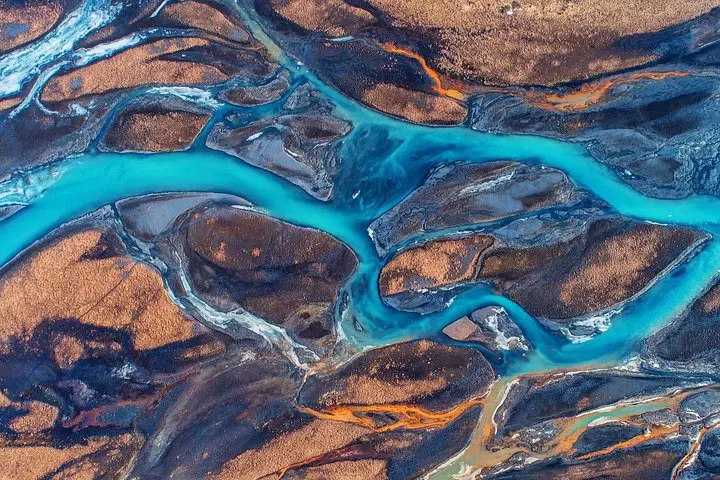
You tumble out of an air-conditioned jeep into wind that carries spray from a waterfall and the mineral smell of glacial rivers. The group stands at Seljalandsfoss as water spills in a curtain you can walk behind; layers of basalt and ice loom farther inland where Eyjafjallajökull keeps a watchful crown. The road buckles into river fords, the vehicle taking the crossings while braided glacial channels dare you to step closer.
Verified experiences and guided adventures in the surrounding area.
Operated by Iceland Premium Tours · Reykjavík, Southern Region
You tumble out of an air-conditioned jeep into wind that carries spray from a waterfall and the mineral smell of glacial rivers. The group stands at Seljalandsfoss as water spills in a curtain you can walk behind; layers of basalt and ice loom farther inland where Eyjafjallajökull keeps a watchful crown. The road buckles into river fords, the vehicle taking the crossings while braided glacial channels dare you to step closer.
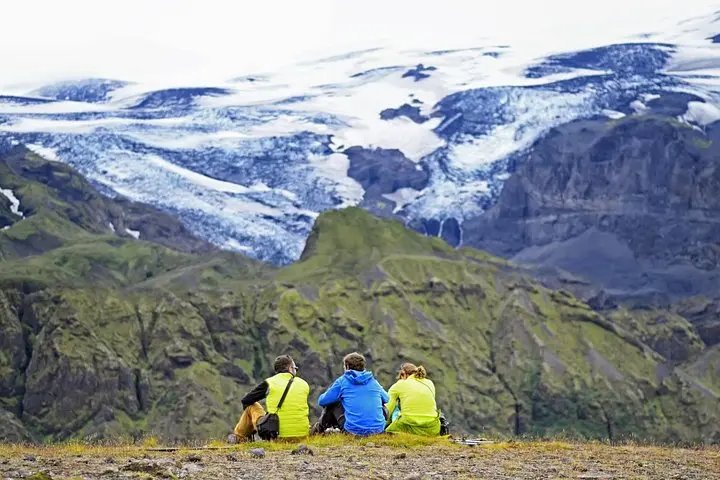
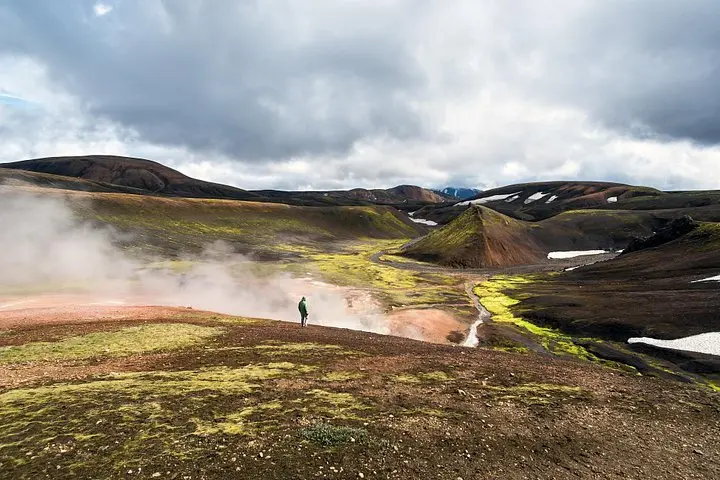
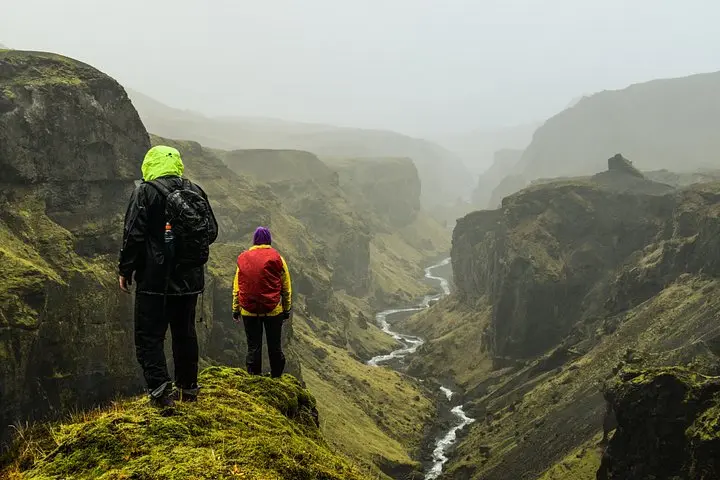
Thorsmork (Þórsmörk) is a valley carved by ice, fire and flood—its canyons and moraines tell the story of eruptions and jökulhlaups. Gigjökull’s exposed glacier tongue and the 2010 Eyjafjallajökull eruption reshaped the terrain here, leaving raw cliffs and fresh sediment plains. Stakkholtsgjá’s 100-meter walls create a narrow, dramatic slot canyon that also drew TV scouts for high-altitude filming.
Culturally, the highlands remain a place of practical reverence: farmers, guides and drivers know when to pull back and when to press on. The geology is straightforward—volcanic bedrock, ash layers, and active glaciers meeting steep valleys—so the landscape shifts with each season.
Practical guidance: expect a long day (roughly 12 hours), multiple river crossings and short, sometimes steep hikes. Bring waterproof outer layers, solid boots, spare batteries, and a willingness to get wet behind waterfalls. Guided private jeeps open terrain inaccessible to standard cars but respect marked paths and the fragile moss that takes decades to recover. If weather closes the highland tracks, operators will reroute or cancel; flexibility is part of visiting Iceland’s raw interior.
Yes; the tour is marketed as suitable for all fitness levels, but expect a long day and some bumpy, off-road driving—check with the operator about child seating and mobility needs.
You can approach glacier tongues like Gígjökull, but walking on glacier ice requires a guided, equipped glacier walk—this tour offers viewpoints and short hikes, not technical glacier travel.
Operators commonly cancel or reroute if conditions are unsafe; their policy allows refunds if canceled at short notice due to weather, so stay flexible and check cancellation terms.
There are multiple shallow river fords; drivers experienced in Icelandic highland routes manage them routinely, but crossings can splash and are avoided in severe conditions.
Iceland Premium Tours operates guided outdoor trips and adventures with an emphasis on safety, stewardship, and memorable experiences.
You tumble out of an air-conditioned jeep into wind that carries spray from a waterfall and the mineral smell of glacial rivers. The group stands at Seljalandsfoss as water spills in a curtain you can walk behind; layers of basalt and ice loom farther inland where Eyjafjallajökull keeps a watchful crown. The road buckles into river fords, the vehicle taking the crossings while braided glacial channels dare you to step closer.
You tumble out of an air-conditioned jeep into wind that carries spray from a waterfall and the mineral smell of glacial rivers. The group stands at Seljalandsfoss as water spills in a curtain you can walk behind; layers of basalt and ice loom farther inland where Eyjafjallajökull keeps a watchful crown. The road buckles into river fords, the vehicle taking the crossings while braided glacial channels dare you to step closer.
Thorsmork (Þórsmörk) is a valley carved by ice, fire and flood—its canyons and moraines tell the story of eruptions and jökulhlaups. Gigjökull’s exposed glacier tongue and the 2010 Eyjafjallajökull eruption reshaped the terrain here, leaving raw cliffs and fresh sediment plains. Stakkholtsgjá’s 100-meter walls create a narrow, dramatic slot canyon that also drew TV scouts for high-altitude filming.
Culturally, the highlands remain a place of practical reverence: farmers, guides and drivers know when to pull back and when to press on. The geology is straightforward—volcanic bedrock, ash layers, and active glaciers meeting steep valleys—so the landscape shifts with each season.
Practical guidance: expect a long day (roughly 12 hours), multiple river crossings and short, sometimes steep hikes. Bring waterproof outer layers, solid boots, spare batteries, and a willingness to get wet behind waterfalls. Guided private jeeps open terrain inaccessible to standard cars but respect marked paths and the fragile moss that takes decades to recover. If weather closes the highland tracks, operators will reroute or cancel; flexibility is part of visiting Iceland’s raw interior.