THE ADVENTURE COLLECTIVE® · Independent discovery and booking for outdoor travel
Get two hours with an experienced K-pop choreographer in Seoul — pick your song, rehearse signature moves, and leave with a polished routine. This private lesson pairs trainee-style techniques with English-speaking instructors for a focused, practical session.
Get two hours with an experienced K-pop choreographer in Seoul — pick your song, rehearse signature moves, and leave with a polished routine. This private lesson pairs trainee-style techniques with English-speaking instructors for a focused, practical session.
Step into a small mirrored studio in Seoul: polished wood underfoot, speakers warming up with a backing track, and an instructor pacing out counts with the calm precision of a rehearsal room. The class opens with a quick stretch, then strips choreography into repeatable chunks — footwork, formations, and the signature move you came for — until the song finally snaps into place.
Verified experiences and guided adventures in the surrounding area.
Operated by DanceBIAS · Seoul, Seoul
Step into a small mirrored studio in Seoul: polished wood underfoot, speakers warming up with a backing track, and an instructor pacing out counts with the calm precision of a rehearsal room. The class opens with a quick stretch, then strips choreography into repeatable chunks — footwork, formations, and the signature move you came for — until the song finally snaps into place.
K-pop dance classes sit at the crossroad of Seoul’s entertainment history and its urban neighborhoods. Since the 1990s, Korea’s trainee system turned rigorous rehearsal culture into a global export; today, private studios from Hongdae to Gangnam offer condensed versions of that training for visitors. Geographically the city funnels creative energy into compact blocks — you’ll often find studios above cafes or tucked in arcade-lined alleys.
Practical guide: book at least five days ahead, specify your chosen song, and decide whether you want a straight two-hour lesson or a one-hour lesson plus an hour of free practice. Instructors usually speak good English and will tailor choreography to your fitness and experience. Expect moderate cardio, repeated counts, and a focus on stylistic details — facial cues, hand shapes, sync — as well as clean turns and grooves.
Tips for a smooth session: wear supportive sneakers, bring water, arrive with a link to the exact song and timestamp, and warn your instructor of any injuries in advance. Private lessons support local dance professionals and give a rare close-up on K-pop’s movement language — an active, practical way to learn the choreography you’ll be humming on the flight home.
No — instructors adapt choreography to your level, though basic rhythm and stamina help you learn faster.
Yes; pick a song and timestamp when booking. Extremely complex routines may be simplified to fit the time.
The tour is offered as a private session; confirm group size with the operator if you plan to bring friends.
These classes are not recommended for spinal injuries, serious heart conditions, or pregnancy — disclose medical issues when booking.
DanceBIAS operates guided outdoor trips and adventures with an emphasis on safety, stewardship, and memorable experiences.
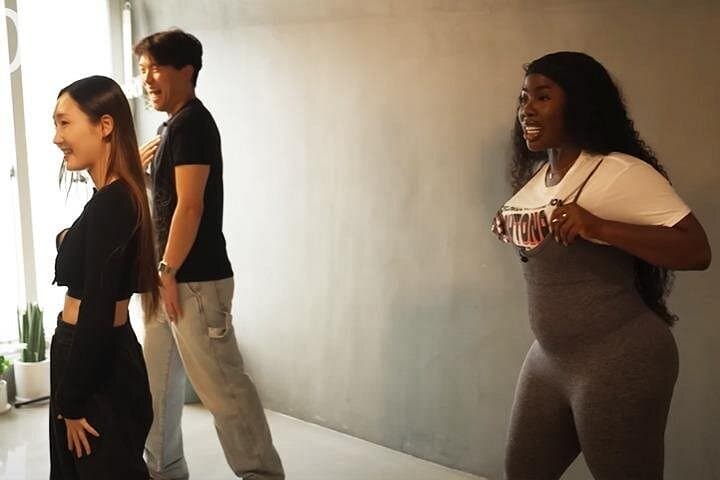
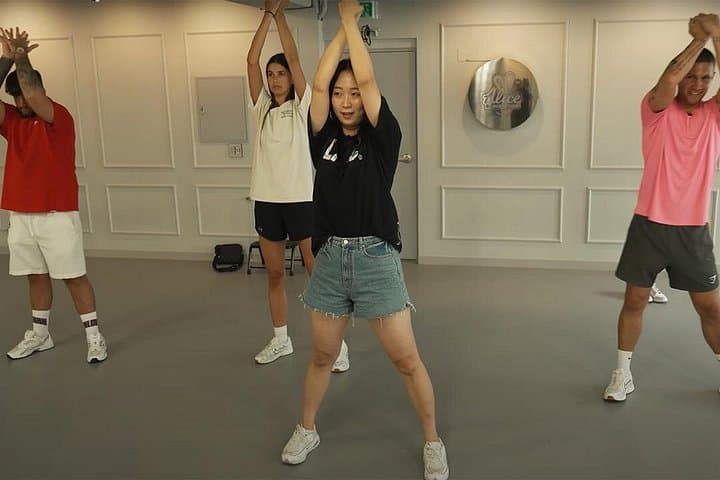

Step into a small mirrored studio in Seoul: polished wood underfoot, speakers warming up with a backing track, and an instructor pacing out counts with the calm precision of a rehearsal room. The class opens with a quick stretch, then strips choreography into repeatable chunks — footwork, formations, and the signature move you came for — until the song finally snaps into place.
Step into a small mirrored studio in Seoul: polished wood underfoot, speakers warming up with a backing track, and an instructor pacing out counts with the calm precision of a rehearsal room. The class opens with a quick stretch, then strips choreography into repeatable chunks — footwork, formations, and the signature move you came for — until the song finally snaps into place.
K-pop dance classes sit at the crossroad of Seoul’s entertainment history and its urban neighborhoods. Since the 1990s, Korea’s trainee system turned rigorous rehearsal culture into a global export; today, private studios from Hongdae to Gangnam offer condensed versions of that training for visitors. Geographically the city funnels creative energy into compact blocks — you’ll often find studios above cafes or tucked in arcade-lined alleys.
Practical guide: book at least five days ahead, specify your chosen song, and decide whether you want a straight two-hour lesson or a one-hour lesson plus an hour of free practice. Instructors usually speak good English and will tailor choreography to your fitness and experience. Expect moderate cardio, repeated counts, and a focus on stylistic details — facial cues, hand shapes, sync — as well as clean turns and grooves.
Tips for a smooth session: wear supportive sneakers, bring water, arrive with a link to the exact song and timestamp, and warn your instructor of any injuries in advance. Private lessons support local dance professionals and give a rare close-up on K-pop’s movement language — an active, practical way to learn the choreography you’ll be humming on the flight home.
