THE ADVENTURE COLLECTIVE® · Independent discovery and booking for outdoor travel

Spend a full day moving from Kamakura’s centuries-old temples and bamboo groves to Yokohama’s modern waterfront and bustling Chinatown. This private, English-speaking chauffeur tour packs top sights into a single, manageable day with pickup from Tokyo.
Spend a full day moving from Kamakura’s centuries-old temples and bamboo groves to Yokohama’s modern waterfront and bustling Chinatown. This private, English-speaking chauffeur tour packs top sights into a single, manageable day with pickup from Tokyo.
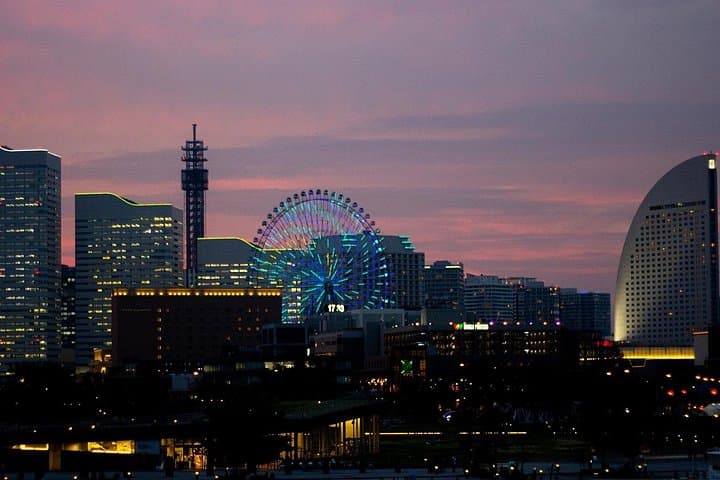
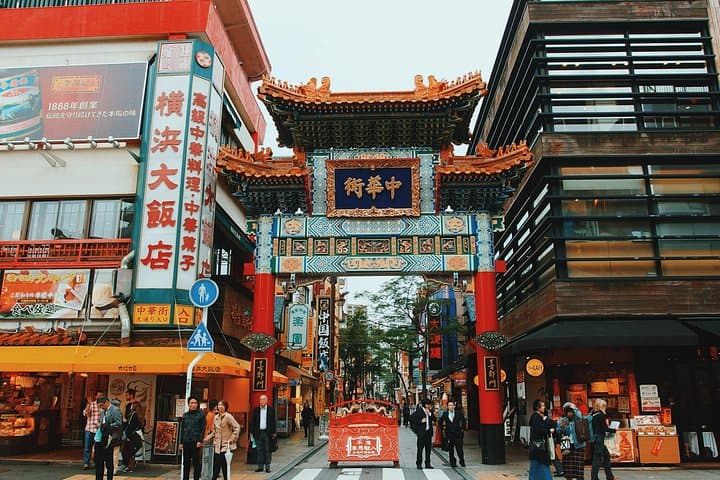
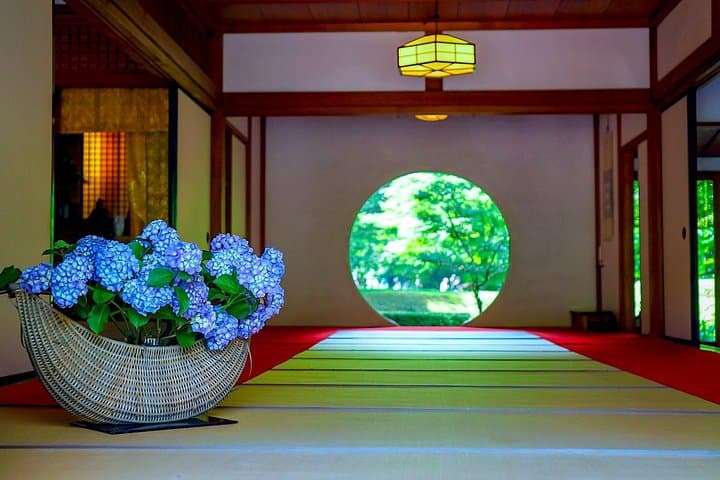
A salt-scented breeze off Sagami Bay meets the hush of temple gardens as you drive out of Tokyo toward Kamakura. The day begins with footsteps on temple stone, the Great Buddha’s bronze gaze steady after centuries, and a narrow lane where small shops offer sweet treats and wooden charms. In the afternoon the coast gives way to Yokohama’s glass towers and the neon bustle of Chinatown — two very different faces of Kanagawa in one long day.
Verified experiences and guided adventures in the surrounding area.
Operated by Sluzeb Tours · Kamakura, Kanagawa
A salt-scented breeze off Sagami Bay meets the hush of temple gardens as you drive out of Tokyo toward Kamakura. The day begins with footsteps on temple stone, the Great Buddha’s bronze gaze steady after centuries, and a narrow lane where small shops offer sweet treats and wooden charms. In the afternoon the coast gives way to Yokohama’s glass towers and the neon bustle of Chinatown — two very different faces of Kanagawa in one long day.
Kamakura was the seat of Japan’s first shogunate in the 12th–14th centuries; its temples and shrines reflect Zen and Pure Land traditions layered on a seaside topography carved from soft hills and narrow bays. Yokohama, opened as a treaty port in 1859, shows Meiji-era Western influence alongside modern waterfront engineering like the Minato Mirai promenade and Landmark Tower.
Practically: this private tour runs about 10 hours and covers multiple short walks, stair climbs at temple sites, and periods of seated travel. Expect uneven stone paths, bamboo groves at Hōkoku-ji, and crowded market streets in Chinatown. The driver provides door-to-door transit, bottled water, and photo assistance but not a walking guide unless arranged.
Timing and footwear matter: start early to avoid midday heat in summer and late-afternoon crowds at popular temples. Bring a compact rain layer in rainy season, carry cash for small shrine donations and snacks, and allow flexibility — traffic can reshape the day. For travelers with limited mobility, the vehicle makes many points accessible but several temple grounds include stairs and gravel paths.
Yes—private pickup and drop-off are included; specify your Tokyo pickup point when booking.
Admissions are generally not included; meals are at your expense so plan for lunch in Kamakura or Yokohama Chinatown.
The vehicle and many areas visited are accessible, but some temple grounds have stairs and gravel paths; bring mobility details when booking so the driver can adapt the route.
Yes — a guide can be arranged for an additional fee if you want in-depth historical commentary during stops.
Sluzeb Tours operates guided outdoor trips and adventures with an emphasis on safety, stewardship, and memorable experiences.

A salt-scented breeze off Sagami Bay meets the hush of temple gardens as you drive out of Tokyo toward Kamakura. The day begins with footsteps on temple stone, the Great Buddha’s bronze gaze steady after centuries, and a narrow lane where small shops offer sweet treats and wooden charms. In the afternoon the coast gives way to Yokohama’s glass towers and the neon bustle of Chinatown — two very different faces of Kanagawa in one long day.
A salt-scented breeze off Sagami Bay meets the hush of temple gardens as you drive out of Tokyo toward Kamakura. The day begins with footsteps on temple stone, the Great Buddha’s bronze gaze steady after centuries, and a narrow lane where small shops offer sweet treats and wooden charms. In the afternoon the coast gives way to Yokohama’s glass towers and the neon bustle of Chinatown — two very different faces of Kanagawa in one long day.
Kamakura was the seat of Japan’s first shogunate in the 12th–14th centuries; its temples and shrines reflect Zen and Pure Land traditions layered on a seaside topography carved from soft hills and narrow bays. Yokohama, opened as a treaty port in 1859, shows Meiji-era Western influence alongside modern waterfront engineering like the Minato Mirai promenade and Landmark Tower.
Practically: this private tour runs about 10 hours and covers multiple short walks, stair climbs at temple sites, and periods of seated travel. Expect uneven stone paths, bamboo groves at Hōkoku-ji, and crowded market streets in Chinatown. The driver provides door-to-door transit, bottled water, and photo assistance but not a walking guide unless arranged.
Timing and footwear matter: start early to avoid midday heat in summer and late-afternoon crowds at popular temples. Bring a compact rain layer in rainy season, carry cash for small shrine donations and snacks, and allow flexibility — traffic can reshape the day. For travelers with limited mobility, the vehicle makes many points accessible but several temple grounds include stairs and gravel paths.