THE ADVENTURE COLLECTIVE® · Independent discovery and booking for outdoor travel

Glide through reeds and stilted homes on a private boat to Kampong Phluk, a Tonle Sap village defined by the lake’s seasons. This 4-hour tour from Siem Reap combines local insight with low-impact cruising for an intimate view of floating-community life.
Glide through reeds and stilted homes on a private boat to Kampong Phluk, a Tonle Sap village defined by the lake’s seasons. This 4-hour tour from Siem Reap combines local insight with low-impact cruising for an intimate view of floating-community life.
Mornings on Tonle Sap start soft and slow: mist lifts off the water, wooden houses on stilts loom like watchful neighbors, and a narrow wooden boat pushes through reeds that seem to part for you. A private row boat cuts a quiet line across the flooded forest toward Kampong Phluk, where villagers move between homes by boat and the lake plays an active role in daily life.
Verified experiences and guided adventures in the surrounding area.
Operated by Angkor Dynasty Travel · Siem Reap, Siem Reap
Mornings on Tonle Sap start soft and slow: mist lifts off the water, wooden houses on stilts loom like watchful neighbors, and a narrow wooden boat pushes through reeds that seem to part for you. A private row boat cuts a quiet line across the flooded forest toward Kampong Phluk, where villagers move between homes by boat and the lake plays an active role in daily life.
Kampong Phluk sits on the southern edge of Tonle Sap, Southeast Asia’s largest freshwater lake. Seasonal flooding expands the shoreline dramatically each year; during the wet season the village is half-submerged and connected by waterways. The site reflects Khmer rural culture shaped by cycles of river and lake — stilt houses, floating fisheries and small markets that adapt with the water level.
Expect 40 minutes drive from Siem Reap to the pier, then roughly 90–120 minutes afloat exploring stilted homes, mangrove bands and bird-filled shallows. Guides explain local livelihoods: fish traps, water-based rice storage, and the floating clinic and school that serve the community.
Practically, wear lightweight, quick-dry clothing, sun protection, and slip-resistant shoes for boarding. Bring cash for small purchases and be prepared for strong sun in the dry season and mosquitoes at dusk. The tour is low-impact compared with larger motorized excursions since wooden row boats reduce wake and noise.
This private option is suitable for travelers wanting cultural insight without crowds: quiet observation, accessible pace, and a clear view into how Tonle Sap shapes life here. Time your visit for higher water if you want the dramatic submerged landscape; choose dry-season mornings for cooler, clearer light.
Boat time typically ranges 90–120 minutes, depending on water levels and how many stops you make for views and photos.
Yes—infants are allowed but must sit on a caregiver’s lap; be prepared for limited facilities and bumpy boarding.
Basic restroom options exist at the pier or nearby community areas, but facilities may be rudimentary; plan accordingly.
Cambodian riel and US dollars are both accepted; small USD bills work best for tips and small purchases.
Angkor Dynasty Travel operates guided outdoor trips and adventures with an emphasis on safety, stewardship, and memorable experiences.
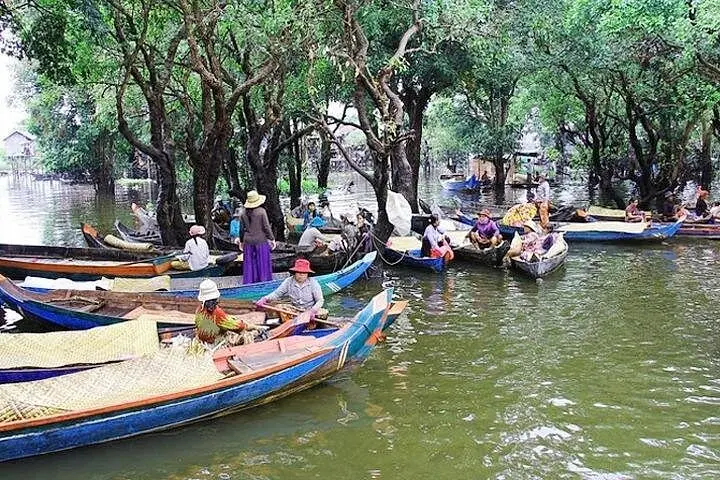
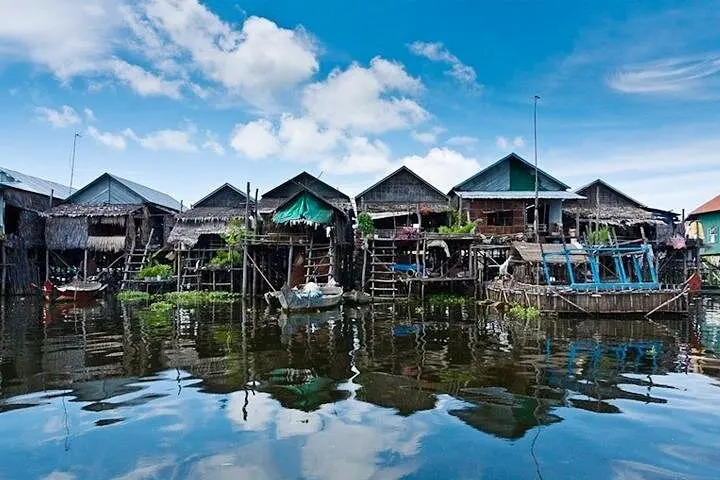
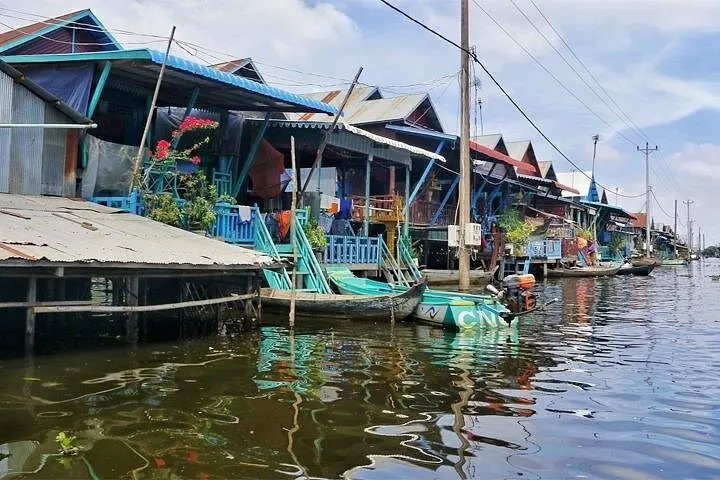
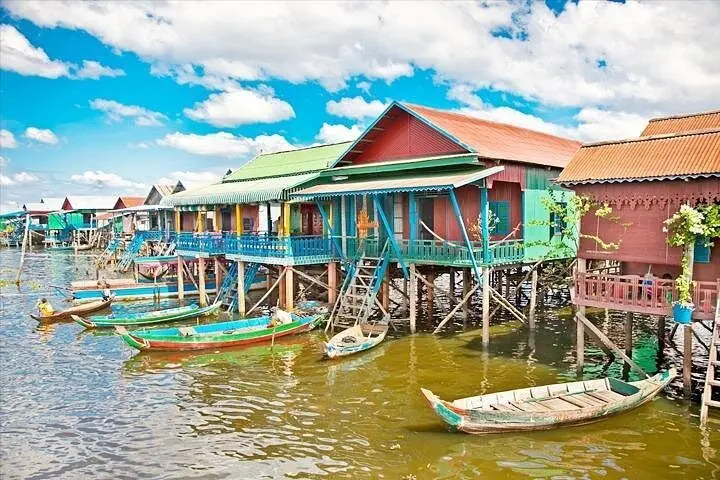
Mornings on Tonle Sap start soft and slow: mist lifts off the water, wooden houses on stilts loom like watchful neighbors, and a narrow wooden boat pushes through reeds that seem to part for you. A private row boat cuts a quiet line across the flooded forest toward Kampong Phluk, where villagers move between homes by boat and the lake plays an active role in daily life.
Mornings on Tonle Sap start soft and slow: mist lifts off the water, wooden houses on stilts loom like watchful neighbors, and a narrow wooden boat pushes through reeds that seem to part for you. A private row boat cuts a quiet line across the flooded forest toward Kampong Phluk, where villagers move between homes by boat and the lake plays an active role in daily life.
Kampong Phluk sits on the southern edge of Tonle Sap, Southeast Asia’s largest freshwater lake. Seasonal flooding expands the shoreline dramatically each year; during the wet season the village is half-submerged and connected by waterways. The site reflects Khmer rural culture shaped by cycles of river and lake — stilt houses, floating fisheries and small markets that adapt with the water level.
Expect 40 minutes drive from Siem Reap to the pier, then roughly 90–120 minutes afloat exploring stilted homes, mangrove bands and bird-filled shallows. Guides explain local livelihoods: fish traps, water-based rice storage, and the floating clinic and school that serve the community.
Practically, wear lightweight, quick-dry clothing, sun protection, and slip-resistant shoes for boarding. Bring cash for small purchases and be prepared for strong sun in the dry season and mosquitoes at dusk. The tour is low-impact compared with larger motorized excursions since wooden row boats reduce wake and noise.
This private option is suitable for travelers wanting cultural insight without crowds: quiet observation, accessible pace, and a clear view into how Tonle Sap shapes life here. Time your visit for higher water if you want the dramatic submerged landscape; choose dry-season mornings for cooler, clearer light.