THE ADVENTURE COLLECTIVE® · Independent discovery and booking for outdoor travel

Spend a focused day moving between Kathmandu’s most significant UNESCO and religious sites—Pashupatinath, Swayambhunath, Boudhanath and Durbar Square—guided by a local expert. Expect stairs, ritual ceremonies, and close-up encounters with Newar architecture and Tibetan Buddhist life.
Spend a focused day moving between Kathmandu’s most significant UNESCO and religious sites—Pashupatinath, Swayambhunath, Boudhanath and Durbar Square—guided by a local expert. Expect stairs, ritual ceremonies, and close-up encounters with Newar architecture and Tibetan Buddhist life.
You step out of an air-conditioned van into a city that layers pilgrimage, power and daily life within a few blocks: saffron-clad priests along the Bagmati River, monkeys leaping across stupa terraces, and the low hum of prayer wheels at Boudhanath.
Verified experiences and guided adventures in the surrounding area.
Operated by Rising Adventure Pvt. Ltd. · Kathmandu, Bagmati Province
You step out of an air-conditioned van into a city that layers pilgrimage, power and daily life within a few blocks: saffron-clad priests along the Bagmati River, monkeys leaping across stupa terraces, and the low hum of prayer wheels at Boudhanath.
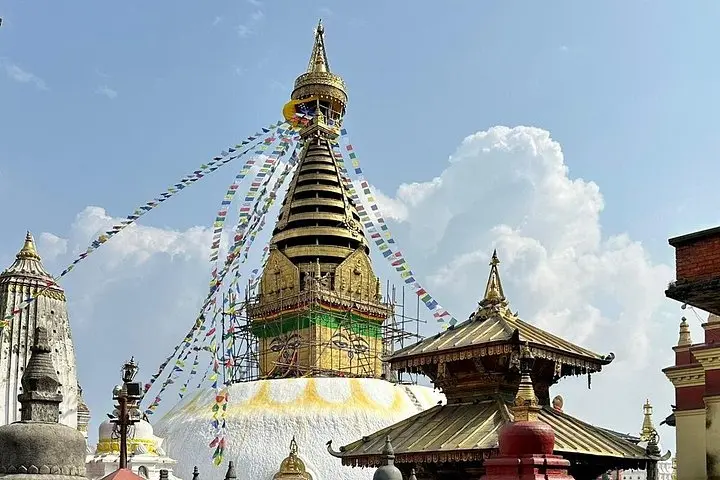
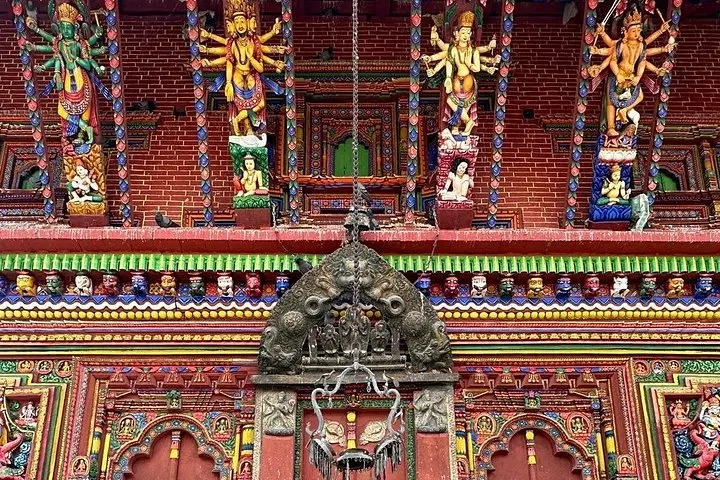
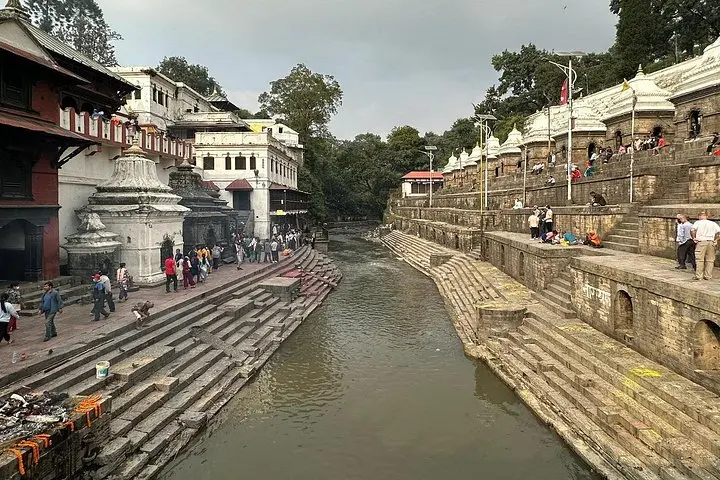
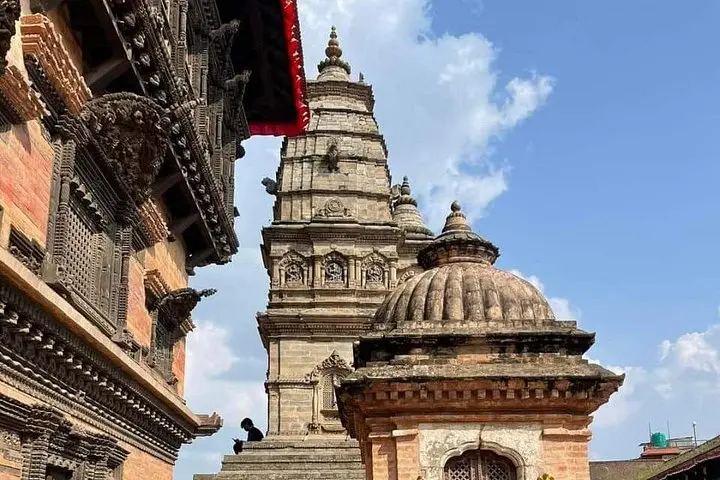
Kathmandu’s core has been a crossroads for centuries. The valley’s alluvial plain, fed by rivers from the Himalaya foothills, supported Newar city-states whose artisans carved the pagoda roofs and courtyards you’ll see in Durbar Square. Pashupatinath channels millennia of Hindu practice along the Bagmati, while Swayambhunath perches on a swamp-turned-hill that became a Buddhist focal point; Boudhanath reflects Tibetan exile culture and monastic life.
Expect dense urban streets, stair climbs at Swayambhu and confined but richly decorated temple interiors; many sites require respectful clothing and quiet observation. Guides here blend history with local rituals—watching a cremation platform at Pashupatinath is a sober cultural lesson, not a spectacle.
Practical guidance: tours usually last about six hours with hotel pickup; carry water, wear sturdy walking shoes, and allow time for short waits at popular monuments. Photography is often allowed outside temples but restricted in some inner sanctums, and foreigners may not enter certain shrines. Plan visits early in the day to avoid peak crowds and mid-day heat, and budget time for slow, respectful observation rather than rushing through UNESCO listings.
This day tour gives a compact, walk-forward view of Kathmandu’s living heritage—intense, tactile and best approached with curiosity and cultural sensitivity.
Yes—most private day tours include hotel pickup and drop-off within central Kathmandu; confirm your pickup point when booking.
Entrance fees are typically not included in the base price; your guide will advise on current ticket costs at each UNESCO site.
Some inner sanctums (e.g., certain areas at Pashupatinath) restrict entry for non-Hindus; your guide will explain access limits and respectful behavior.
The tour is generally easy but includes stairs and uneven surfaces—wheelchair accessibility is limited at some sites like Swayambhunath.
Rising Adventure Pvt. Ltd. operates guided outdoor trips and adventures with an emphasis on safety, stewardship, and memorable experiences.
You step out of an air-conditioned van into a city that layers pilgrimage, power and daily life within a few blocks: saffron-clad priests along the Bagmati River, monkeys leaping across stupa terraces, and the low hum of prayer wheels at Boudhanath.
You step out of an air-conditioned van into a city that layers pilgrimage, power and daily life within a few blocks: saffron-clad priests along the Bagmati River, monkeys leaping across stupa terraces, and the low hum of prayer wheels at Boudhanath.
Kathmandu’s core has been a crossroads for centuries. The valley’s alluvial plain, fed by rivers from the Himalaya foothills, supported Newar city-states whose artisans carved the pagoda roofs and courtyards you’ll see in Durbar Square. Pashupatinath channels millennia of Hindu practice along the Bagmati, while Swayambhunath perches on a swamp-turned-hill that became a Buddhist focal point; Boudhanath reflects Tibetan exile culture and monastic life.
Expect dense urban streets, stair climbs at Swayambhu and confined but richly decorated temple interiors; many sites require respectful clothing and quiet observation. Guides here blend history with local rituals—watching a cremation platform at Pashupatinath is a sober cultural lesson, not a spectacle.
Practical guidance: tours usually last about six hours with hotel pickup; carry water, wear sturdy walking shoes, and allow time for short waits at popular monuments. Photography is often allowed outside temples but restricted in some inner sanctums, and foreigners may not enter certain shrines. Plan visits early in the day to avoid peak crowds and mid-day heat, and budget time for slow, respectful observation rather than rushing through UNESCO listings.
This day tour gives a compact, walk-forward view of Kathmandu’s living heritage—intense, tactile and best approached with curiosity and cultural sensitivity.