THE ADVENTURE COLLECTIVE® · Independent discovery and booking for outdoor travel

Spend a day moving through Kathmandu’s spiritual and architectural highlights: Swayambhunath, Patan Durbar Square, Pashupatinath and Boudhanath. This private tour packs four UNESCO sites into a single accessible itinerary with a local guide and private transport.
Spend a day moving through Kathmandu’s spiritual and architectural highlights: Swayambhunath, Patan Durbar Square, Pashupatinath and Boudhanath. This private tour packs four UNESCO sites into a single accessible itinerary with a local guide and private transport.
Morning light spills over the Kathmandu Valley and the city wakes with temple bells and the smell of incense. The tour moves like a local rhythm—first up a hilltop stupa with monkeys watching over the valley, then into the carved courtyards of an ancient palace city, later down to the sacred banks of a river where saffron-clad priests perform rites, and finally to a vast white stupa that holds a quiet, revolving prayer wheel.
Verified experiences and guided adventures in the surrounding area.
Operated by Himalayan Luxury Holidays Pvt. Ltd. · Kathmandu, Bagmati Province
Morning light spills over the Kathmandu Valley and the city wakes with temple bells and the smell of incense. The tour moves like a local rhythm—first up a hilltop stupa with monkeys watching over the valley, then into the carved courtyards of an ancient palace city, later down to the sacred banks of a river where saffron-clad priests perform rites, and finally to a vast white stupa that holds a quiet, revolving prayer wheel.
These four UNESCO sites trace Kathmandu’s overlapping identities: Newar craftsmanship in Patan Durbar Square, Tibetan-Buddhist devotion at Boudhanath, the syncretic Shaiva tradition at Pashupatinath, and the layered myth and mythmaking around Swayambhunath. Geologically the valley is a bowl of alluvial deposits at roughly 1,400 m elevation, shaped by the Bagmati and tributaries that still guide city life. Earthquake damage from 2015 is visible at some monuments, a reminder of the region’s active tectonics and resilient rebuilding.
Expect short walks, stair climbs at Swayambhunath, and mixed urban terrain—paved courtyards, narrow lanes, and temple platforms. Practical notes: carry local currency for entrance fees (approx. US$23 total for most visitors), wear a modest layer for Pashupatinath, and bring a dust mask for congested streets. Plan to start early to avoid midday crowds and heat; your private guide and A/C vehicle keep transitions efficient.
This full-day private tour is cultural and accessible—ideal for travelers who want concentrated immersion in Kathmandu’s spiritual and architectural heart without navigating public transit or tight group schedules.
No—entrance fees are paid at each site in Nepali rupees; the approximate total for most international visitors is about US$23.
The private format focuses on highlights: expect guided visits to main temples, courtyards, and viewpoints but not exhaustive access to every building.
Yes—walking is moderate with some stairs; private vehicle transfers and adjustable pacing accommodate families and older guests.
Modest clothing that covers shoulders and knees is required; avoid shorts and sleeveless tops, and follow any local requests at funeral ghats.
Himalayan Luxury Holidays Pvt. Ltd. operates guided outdoor trips and adventures with an emphasis on safety, stewardship, and memorable experiences.
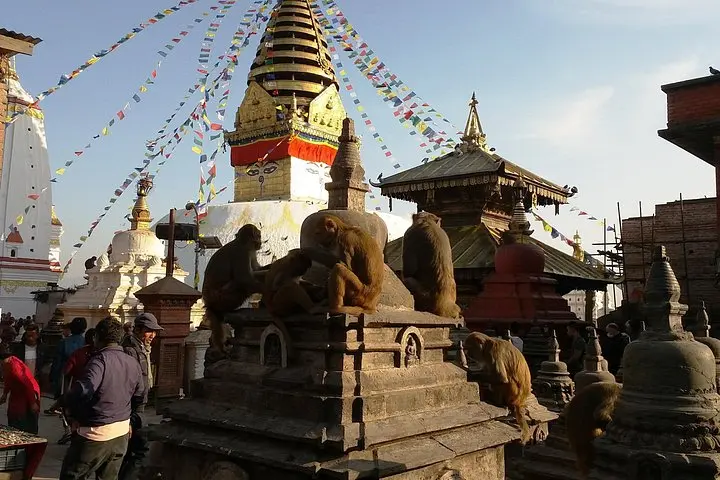
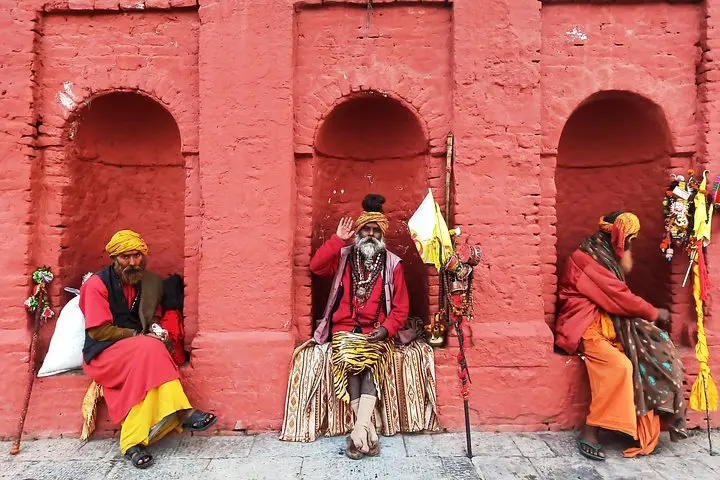
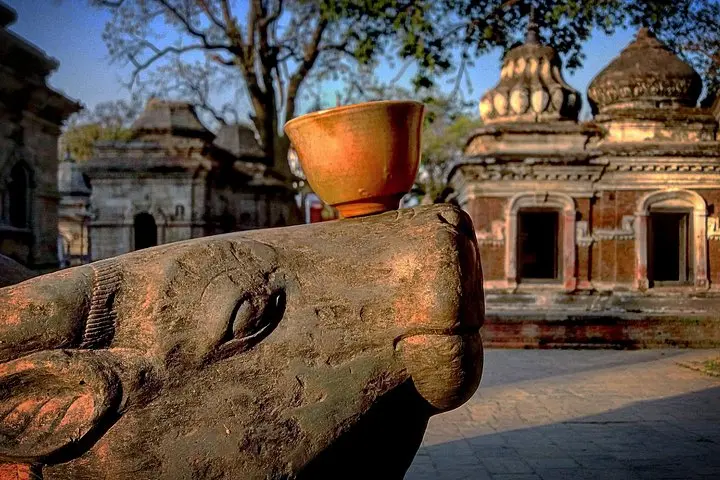
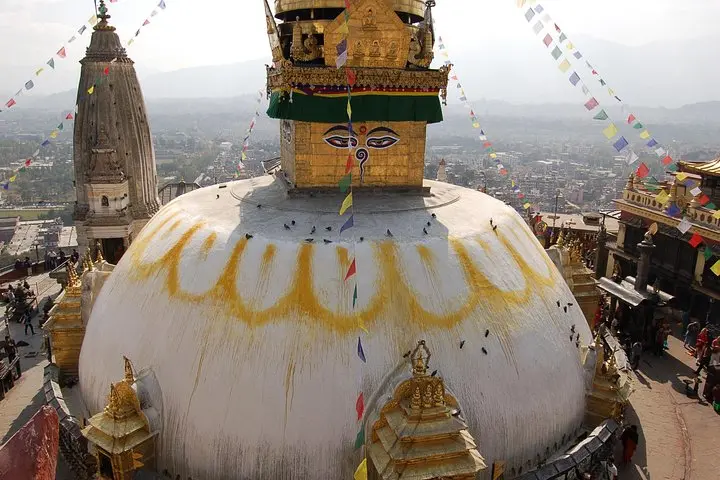
Morning light spills over the Kathmandu Valley and the city wakes with temple bells and the smell of incense. The tour moves like a local rhythm—first up a hilltop stupa with monkeys watching over the valley, then into the carved courtyards of an ancient palace city, later down to the sacred banks of a river where saffron-clad priests perform rites, and finally to a vast white stupa that holds a quiet, revolving prayer wheel.
Morning light spills over the Kathmandu Valley and the city wakes with temple bells and the smell of incense. The tour moves like a local rhythm—first up a hilltop stupa with monkeys watching over the valley, then into the carved courtyards of an ancient palace city, later down to the sacred banks of a river where saffron-clad priests perform rites, and finally to a vast white stupa that holds a quiet, revolving prayer wheel.
These four UNESCO sites trace Kathmandu’s overlapping identities: Newar craftsmanship in Patan Durbar Square, Tibetan-Buddhist devotion at Boudhanath, the syncretic Shaiva tradition at Pashupatinath, and the layered myth and mythmaking around Swayambhunath. Geologically the valley is a bowl of alluvial deposits at roughly 1,400 m elevation, shaped by the Bagmati and tributaries that still guide city life. Earthquake damage from 2015 is visible at some monuments, a reminder of the region’s active tectonics and resilient rebuilding.
Expect short walks, stair climbs at Swayambhunath, and mixed urban terrain—paved courtyards, narrow lanes, and temple platforms. Practical notes: carry local currency for entrance fees (approx. US$23 total for most visitors), wear a modest layer for Pashupatinath, and bring a dust mask for congested streets. Plan to start early to avoid midday crowds and heat; your private guide and A/C vehicle keep transitions efficient.
This full-day private tour is cultural and accessible—ideal for travelers who want concentrated immersion in Kathmandu’s spiritual and architectural heart without navigating public transit or tight group schedules.