THE ADVENTURE COLLECTIVE® · Independent discovery and booking for outdoor travel

Descend into Kaymakli’s winding chambers and walk mosaic-strewn Roman remains at Sobesos on a private full-day tour from Göreme. This guided route pairs subterranean engineering, rock-hewn churches and village architecture with practical tips for navigating stairs, uneven trails, and seasonal conditions.
Descend into Kaymakli’s winding chambers and walk mosaic-strewn Roman remains at Sobesos on a private full-day tour from Göreme. This guided route pairs subterranean engineering, rock-hewn churches and village architecture with practical tips for navigating stairs, uneven trails, and seasonal conditions.
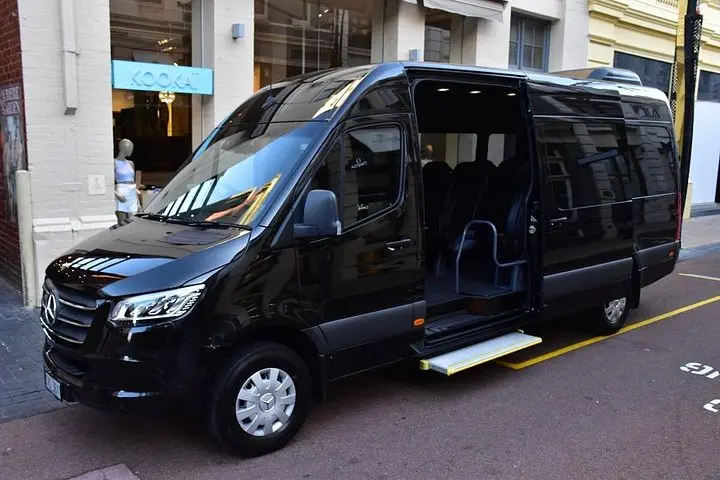
You step into a quiet Göreme morning, the bus engine humming as fairy chimneys blur past and a guide unfolds a map of underground passageways and mosaicked villas. The road carries you south into Cappadocia's sculpted tuff—rock soft enough to carve entire towns, hard enough to hold centuries of human stories.
Verified experiences and guided adventures in the surrounding area.
Operated by taxiGo Limo Airport Service · Göreme, Nevşehir Province
You step into a quiet Göreme morning, the bus engine humming as fairy chimneys blur past and a guide unfolds a map of underground passageways and mosaicked villas. The road carries you south into Cappadocia's sculpted tuff—rock soft enough to carve entire towns, hard enough to hold centuries of human stories.
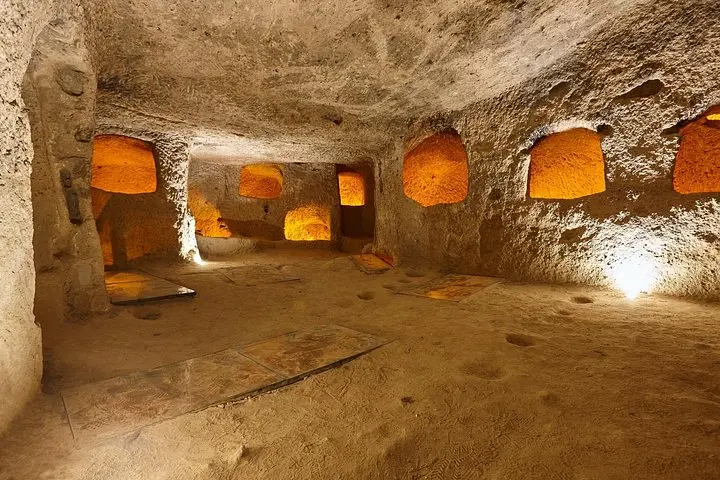
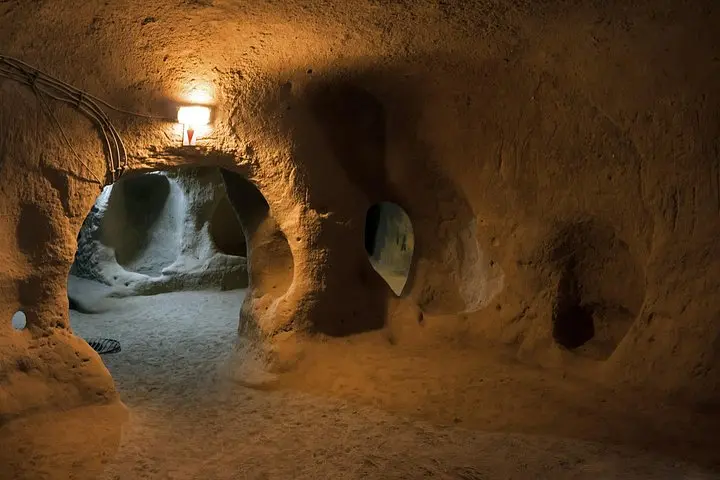
Kaymakli Underground City opens like a subterranean village: narrow corridors, steep stone steps, round ventilation shafts and rooms that once sheltered families, livestock and grain stores from raids. Aboveground, Pigeon Valley and Soğanlı unfold as open-air museums of carved dovecotes, Byzantine rock-cut churches and deserted cave homes, while the recent excavations at Sobesos reveal Roman-era mosaics and bathhouse traces—a reminder that this plateau sat at crossroads of empires.
Cappadocia's geology—volcanic ash compacted into tuff and then eroded—created both shelter and striking landscapes. Cultural layers include Hittite, Roman, Byzantine and Ottoman footprints; Mustafapaşa's stone mansions nod to a mixed Greek-Turkish past.
Practical edge: expect lots of low ceilings and stairs in Kaymakli and uneven dirt trails in valleys. Wear closed, grippy shoes, carry water, and plan for a 6–7 hour day with two hours free time to explore on foot or eat in Mustafapaşa. Morning departures avoid heat and crowds; winter brings icy steps—ask about reduced mobility beforehand. A knowledgeable local guide will speed through archaeological context and help you read the landscape—look for carved crosses, pigeon niches and mosaic fragments that anchor this region's living history.
The tour lasts about 6–7 hours with short walks at each site and a 2-hour free period; expect stairs and uneven terrain but no long-distance trekking.
Parts of Kaymakli have low ceilings and steep stairs—access is limited for those with reduced mobility; inform the operator when booking.
Admission policies vary; this tour description notes admission is not included for some sites—confirm with the operator before travel.
Photography is generally allowed but be respectful of conservation rules and other visitors; flash may be restricted in sensitive archaeological areas.
taxiGo Limo Airport Service operates guided outdoor trips and adventures with an emphasis on safety, stewardship, and memorable experiences.
You step into a quiet Göreme morning, the bus engine humming as fairy chimneys blur past and a guide unfolds a map of underground passageways and mosaicked villas. The road carries you south into Cappadocia's sculpted tuff—rock soft enough to carve entire towns, hard enough to hold centuries of human stories.
You step into a quiet Göreme morning, the bus engine humming as fairy chimneys blur past and a guide unfolds a map of underground passageways and mosaicked villas. The road carries you south into Cappadocia's sculpted tuff—rock soft enough to carve entire towns, hard enough to hold centuries of human stories.
Kaymakli Underground City opens like a subterranean village: narrow corridors, steep stone steps, round ventilation shafts and rooms that once sheltered families, livestock and grain stores from raids. Aboveground, Pigeon Valley and Soğanlı unfold as open-air museums of carved dovecotes, Byzantine rock-cut churches and deserted cave homes, while the recent excavations at Sobesos reveal Roman-era mosaics and bathhouse traces—a reminder that this plateau sat at crossroads of empires.
Cappadocia's geology—volcanic ash compacted into tuff and then eroded—created both shelter and striking landscapes. Cultural layers include Hittite, Roman, Byzantine and Ottoman footprints; Mustafapaşa's stone mansions nod to a mixed Greek-Turkish past.
Practical edge: expect lots of low ceilings and stairs in Kaymakli and uneven dirt trails in valleys. Wear closed, grippy shoes, carry water, and plan for a 6–7 hour day with two hours free time to explore on foot or eat in Mustafapaşa. Morning departures avoid heat and crowds; winter brings icy steps—ask about reduced mobility beforehand. A knowledgeable local guide will speed through archaeological context and help you read the landscape—look for carved crosses, pigeon niches and mosaic fragments that anchor this region's living history.