THE ADVENTURE COLLECTIVE® · Independent discovery and booking for outdoor travel

Explore Cairo's centuries-old Khan el-Khalili bazaar with a private guide, finishing with an authentic Egyptian lunch. This four- to five-hour tour combines history, hands-on craft demonstrations, and practical local shopping tips.
Explore Cairo's centuries-old Khan el-Khalili bazaar with a private guide, finishing with an authentic Egyptian lunch. This four- to five-hour tour combines history, hands-on craft demonstrations, and practical local shopping tips.
A dry wind moves through the market alleys as the call of a vendor cuts across the stall rows—this is Khan el-Khalili by mid-morning. Narrow lanes funnel light and sound; copperware catches it, spice sacks release cinnamon and cumin into the air, and the market’s rhythm pulls visitors from one display to the next.
Verified experiences and guided adventures in the surrounding area.
Operated by Bella Trips · Cairo, Cairo Governorate
A dry wind moves through the market alleys as the call of a vendor cuts across the stall rows—this is Khan el-Khalili by mid-morning. Narrow lanes funnel light and sound; copperware catches it, spice sacks release cinnamon and cumin into the air, and the market’s rhythm pulls visitors from one display to the next.
Khan el-Khalili dates back to the 14th century and sits on historic trade routes that once linked Cairo to the Red Sea and Mediterranean. The stalls and caravanserai reflect layers of Ottoman and Mamluk influence; the architecture around Al-Azhar and nearby mosques anchors the bazaar in a long civic and commercial history. The market is less geology than culture: marketplaces built atop centuries of urban life, where papyrus, perfume oil, and Egyptian cotton are still made and sold.
This private visit moves at a measured pace—two hours in the core bazaar, visits to a papyrus institute and perfume workshop, and a sit-down local lunch—making it suitable for travelers who want context as well as browsing time. Expect uneven cobbles, close crowds, and sensory overload: spice aromas that dare you to pick a blend, and craftsmen who will demonstrate techniques.
Practical notes: wear sturdy, breathable shoes and keep small-denomination cash for quick purchases. Mornings are cooler and less crowded; late afternoons offer golden light for photographs but more bargaining. Respect local dress customs near religious sites, and ask before photographing people. Hotel pickup and drop-off are typically included, so plan timing with your guide to avoid Cairo traffic peaks.
Yes—hotel pickup and drop-off from Cairo hotels are listed as part of the tour inclusions.
The standard itinerary notes visits and demonstrations but specifies admissions as not applicable; confirm with the operator for any museum fees.
Special dietary requirements can be requested during booking—notify the operator in advance so the meal can be arranged.
Yes—the activity is described as physically easy and suitable for all fitness levels; however, consider mobility if walking long alleys or navigating crowds.
Bella Trips operates guided outdoor trips and adventures with an emphasis on safety, stewardship, and memorable experiences.
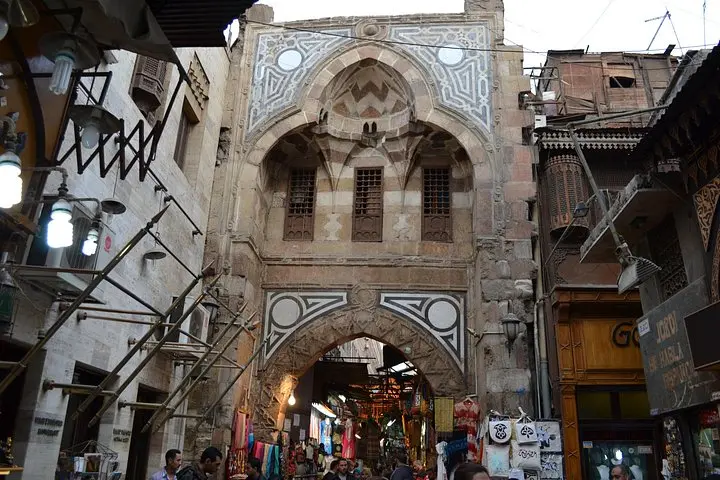
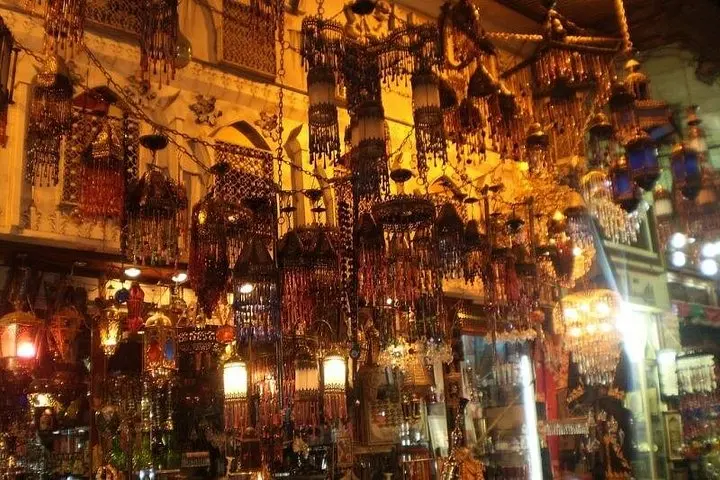
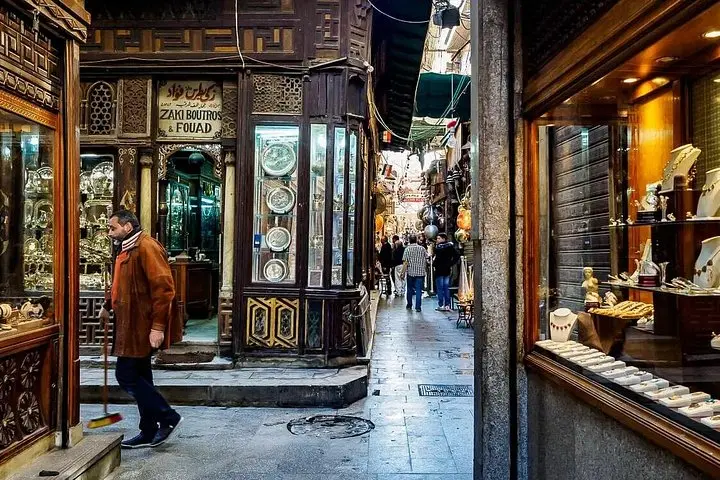
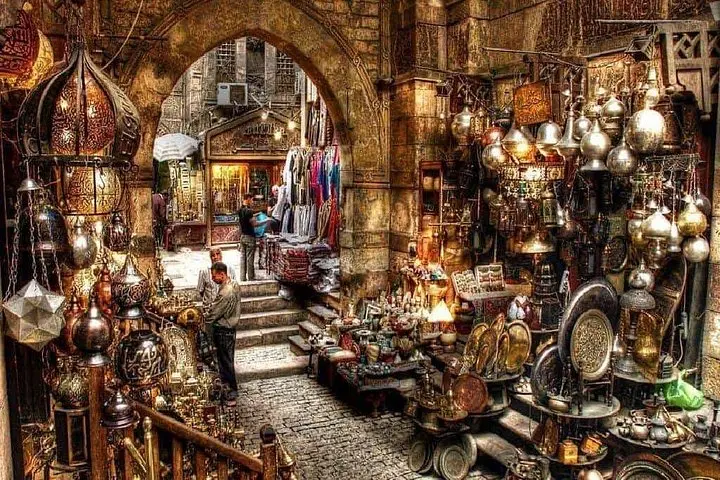
A dry wind moves through the market alleys as the call of a vendor cuts across the stall rows—this is Khan el-Khalili by mid-morning. Narrow lanes funnel light and sound; copperware catches it, spice sacks release cinnamon and cumin into the air, and the market’s rhythm pulls visitors from one display to the next.
A dry wind moves through the market alleys as the call of a vendor cuts across the stall rows—this is Khan el-Khalili by mid-morning. Narrow lanes funnel light and sound; copperware catches it, spice sacks release cinnamon and cumin into the air, and the market’s rhythm pulls visitors from one display to the next.
Khan el-Khalili dates back to the 14th century and sits on historic trade routes that once linked Cairo to the Red Sea and Mediterranean. The stalls and caravanserai reflect layers of Ottoman and Mamluk influence; the architecture around Al-Azhar and nearby mosques anchors the bazaar in a long civic and commercial history. The market is less geology than culture: marketplaces built atop centuries of urban life, where papyrus, perfume oil, and Egyptian cotton are still made and sold.
This private visit moves at a measured pace—two hours in the core bazaar, visits to a papyrus institute and perfume workshop, and a sit-down local lunch—making it suitable for travelers who want context as well as browsing time. Expect uneven cobbles, close crowds, and sensory overload: spice aromas that dare you to pick a blend, and craftsmen who will demonstrate techniques.
Practical notes: wear sturdy, breathable shoes and keep small-denomination cash for quick purchases. Mornings are cooler and less crowded; late afternoons offer golden light for photographs but more bargaining. Respect local dress customs near religious sites, and ask before photographing people. Hotel pickup and drop-off are typically included, so plan timing with your guide to avoid Cairo traffic peaks.