THE ADVENTURE COLLECTIVE® · Independent discovery and booking for outdoor travel

Spend a day from Ulaanbaatar exploring Gandan Monastery and the wilds of Khustai National Park. Spot Przewalski horses, hike the Moltsog dunes, and enjoy a nomad camp lunch on this private, full-day tour.
Spend a day from Ulaanbaatar exploring Gandan Monastery and the wilds of Khustai National Park. Spot Przewalski horses, hike the Moltsog dunes, and enjoy a nomad camp lunch on this private, full-day tour.
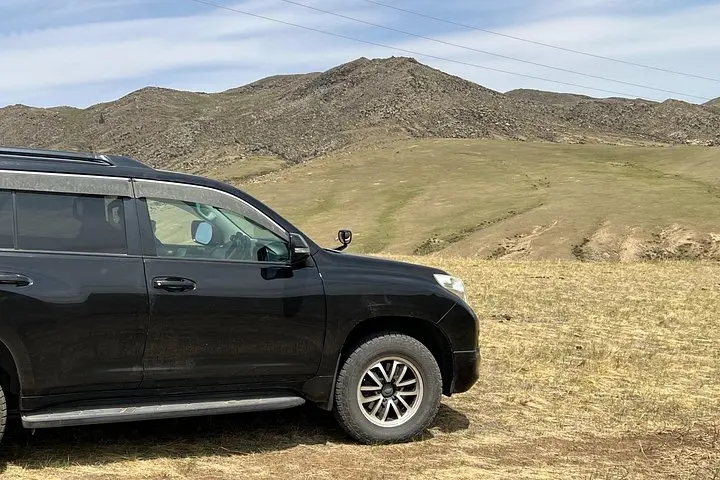
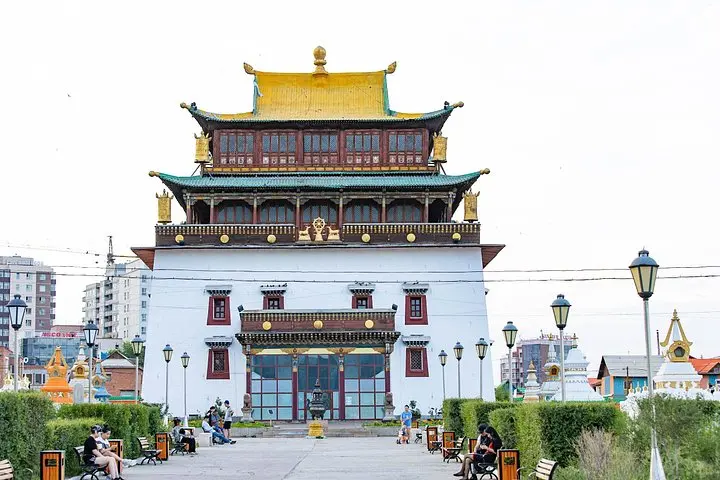
The morning air in Ulaanbaatar has a thin, metallic clarity. Your driver eases the Jeep out of the city and the concrete gives way to steppe—the grasslands opening like a plain invitation. By the time the Gandan Monastery’s gold roofs appear against a low sky, the city has already begun to recede; after a brisk temple visit the road nudges you farther into the Töv province and into Khustai (Hustain) National Park, where wild Przewalski horses graze with a casual, watchful confidence.
Verified experiences and guided adventures in the surrounding area.
Operated by Byambasuren Lkhamsuren · Ulaanbaatar, Töv
The morning air in Ulaanbaatar has a thin, metallic clarity. Your driver eases the Jeep out of the city and the concrete gives way to steppe—the grasslands opening like a plain invitation. By the time the Gandan Monastery’s gold roofs appear against a low sky, the city has already begun to recede; after a brisk temple visit the road nudges you farther into the Töv province and into Khustai (Hustain) National Park, where wild Przewalski horses graze with a casual, watchful confidence.
Khustai National Park occupies a chapter in Mongolia’s conservation story. Created in the 1990s to protect the last wild horses on earth, it now supports both reintroduced Przewalski horses and native steppe fauna. The landscape shifts—rolling grass, river cuts, and the Moltsog els: unexpected dunes that rise like islands of sand in the park’s heart. Local nomad camps still run seasonal programs here; in summer you can watch traditional throat singing and sample a dairy-based lunch that tastes of smoke and salt.
Geologically, Khustai sits at the boundary of riverine floodplains and drier upland steppe. That contrast concentrates wildlife and makes the early hours and late afternoons rewarding for sightings: marmots on lookout mounds, roe deer threading through tufts of grass, and above, raptors trimming the horizon.
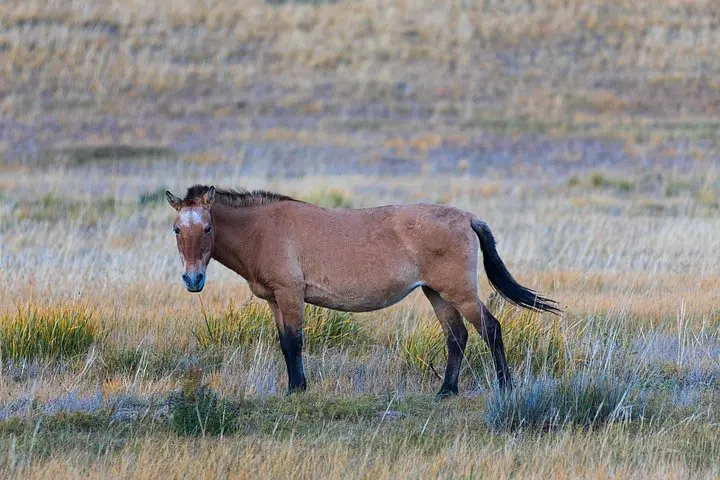
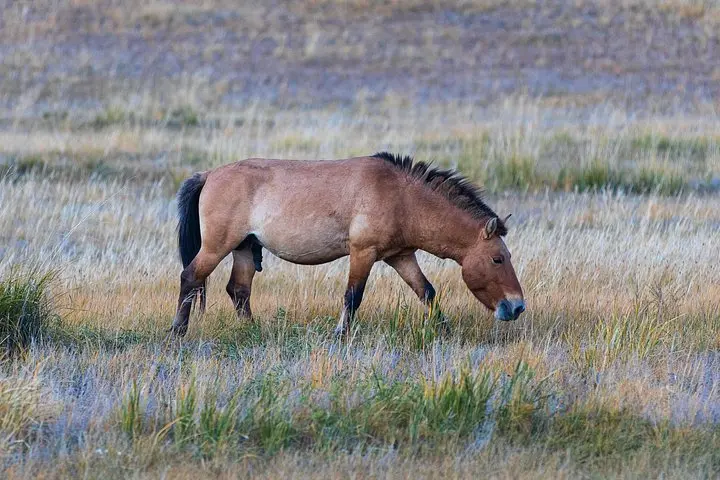
The day’s rhythm is deliberate. The driver pauses at viewpoints and the guide points to distant horse bands—sturdy, dun-colored horses with heavy manes that move in compact family groups. A short hike across mixed grass and sandy trails brings you closer; the ground is uneven and can be dusty, but the views are wide enough to breathe in the country’s history: centuries of nomadic movement and, more recently, a focused effort to keep a unique species alive.
Practical notes: this private tour runs 8–10 hours with hotel pickup and an air-conditioned vehicle. Bring binoculars, layered clothing for quickly changing steppe winds, and a camera with a telephoto lens if you want close shots of wildlife. Summer visits offer cultural programs at a nomad camp and the chance to see the dunes; shoulder seasons are quieter and cooler. Respect wildlife—stay on trails when asked and follow the guide’s distance recommendations.
For travelers who want a compact primer on Mongolia, this tour pairs a city’s spiritual center with the raw, grassy theater of Khustai. It’s an accessible way to encounter a living conservation success story without trading comfort for authenticity.
The private tour runs approximately 8–10 hours (480–600 minutes) with hotel pickup and drop-off in Ulaanbaatar.
Sightings are common—hundreds live in Khustai—but wildlife cannot be guaranteed; early morning or late afternoon sightings are most likely.
The tour is suitable for most ages but is not recommended for pregnant travelers; check the booking requirements before reserving.
Bottled water and a local-style lunch at a camp are included; inform the operator of dietary restrictions when booking.
Yes—operators commonly combine Khustai with Terelj National Park, the Genghis Khan monument, or multi-day trips to the Semi-Gobi and Orkhon Valley.
Basic fees and lunch are included, but bring small cash for souvenirs, tips, or optional activities at the nomad camp.
Byambasuren Lkhamsuren operates guided outdoor trips and adventures with an emphasis on safety, stewardship, and memorable experiences.
The morning air in Ulaanbaatar has a thin, metallic clarity. Your driver eases the Jeep out of the city and the concrete gives way to steppe—the grasslands opening like a plain invitation. By the time the Gandan Monastery’s gold roofs appear against a low sky, the city has already begun to recede; after a brisk temple visit the road nudges you farther into the Töv province and into Khustai (Hustain) National Park, where wild Przewalski horses graze with a casual, watchful confidence.
The morning air in Ulaanbaatar has a thin, metallic clarity. Your driver eases the Jeep out of the city and the concrete gives way to steppe—the grasslands opening like a plain invitation. By the time the Gandan Monastery’s gold roofs appear against a low sky, the city has already begun to recede; after a brisk temple visit the road nudges you farther into the Töv province and into Khustai (Hustain) National Park, where wild Przewalski horses graze with a casual, watchful confidence.
Khustai National Park occupies a chapter in Mongolia’s conservation story. Created in the 1990s to protect the last wild horses on earth, it now supports both reintroduced Przewalski horses and native steppe fauna. The landscape shifts—rolling grass, river cuts, and the Moltsog els: unexpected dunes that rise like islands of sand in the park’s heart. Local nomad camps still run seasonal programs here; in summer you can watch traditional throat singing and sample a dairy-based lunch that tastes of smoke and salt.
Geologically, Khustai sits at the boundary of riverine floodplains and drier upland steppe. That contrast concentrates wildlife and makes the early hours and late afternoons rewarding for sightings: marmots on lookout mounds, roe deer threading through tufts of grass, and above, raptors trimming the horizon.
The day’s rhythm is deliberate. The driver pauses at viewpoints and the guide points to distant horse bands—sturdy, dun-colored horses with heavy manes that move in compact family groups. A short hike across mixed grass and sandy trails brings you closer; the ground is uneven and can be dusty, but the views are wide enough to breathe in the country’s history: centuries of nomadic movement and, more recently, a focused effort to keep a unique species alive.
Practical notes: this private tour runs 8–10 hours with hotel pickup and an air-conditioned vehicle. Bring binoculars, layered clothing for quickly changing steppe winds, and a camera with a telephoto lens if you want close shots of wildlife. Summer visits offer cultural programs at a nomad camp and the chance to see the dunes; shoulder seasons are quieter and cooler. Respect wildlife—stay on trails when asked and follow the guide’s distance recommendations.
For travelers who want a compact primer on Mongolia, this tour pairs a city’s spiritual center with the raw, grassy theater of Khustai. It’s an accessible way to encounter a living conservation success story without trading comfort for authenticity.