THE ADVENTURE COLLECTIVE® · Independent discovery and booking for outdoor travel

Skip the crowds and discover Korčula’s agricultural heartbeat: short hikes, hands-on workshops and tastings that put you inside island life. This guided, eco-focused tour blends rural trails with authentic local encounters in 2–3 hours.
Skip the crowds and discover Korčula’s agricultural heartbeat: short hikes, hands-on workshops and tastings that put you inside island life. This guided, eco-focused tour blends rural trails with authentic local encounters in 2–3 hours.
Morning light spills over a tight harbor and the sea breathes coolly against the quay as you step off the boat and onto Korčula’s quieter lanes. Olive groves slope toward stone terraces; cypress and laurel lean into the wind that has shaped the island for millennia. The guide leads a small group away from the postcard Old Town into agricultural plots where rosemary scents the air and the terrain opens to views of the Pelješac Channel.
Verified experiences and guided adventures in the surrounding area.
Operated by Vela Luka Tasting Tours · Korčula, Dubrovnik-Neretva County
Morning light spills over a tight harbor and the sea breathes coolly against the quay as you step off the boat and onto Korčula’s quieter lanes. Olive groves slope toward stone terraces; cypress and laurel lean into the wind that has shaped the island for millennia. The guide leads a small group away from the postcard Old Town into agricultural plots where rosemary scents the air and the terrain opens to views of the Pelješac Channel.
Korčula’s human story is written in terraces, dry-stone walls and vineyards—a landscape shaped by karst limestone and centuries of labor. Once nicknamed the “Black Island” for its dense evergreen cover, it bears traces of Venetian trade, medieval fortifications, and a living rural culture centered on olive oil, wine and small-scale orchards. Local games like bocce and hands-on workshops—cheese making, olive pressing, traditional basket weaving—connect visitors directly to those livelihoods.
Expect 2–3 hours of mostly easy to moderate walking on village lanes, farm tracks and short coastal viewpoints. Terrain is uneven in places; comfortable shoes and sun protection matter. The tour emphasizes low-impact practices: meeting producers, tasting seasonal snacks, and learning local stewardship of land and water.
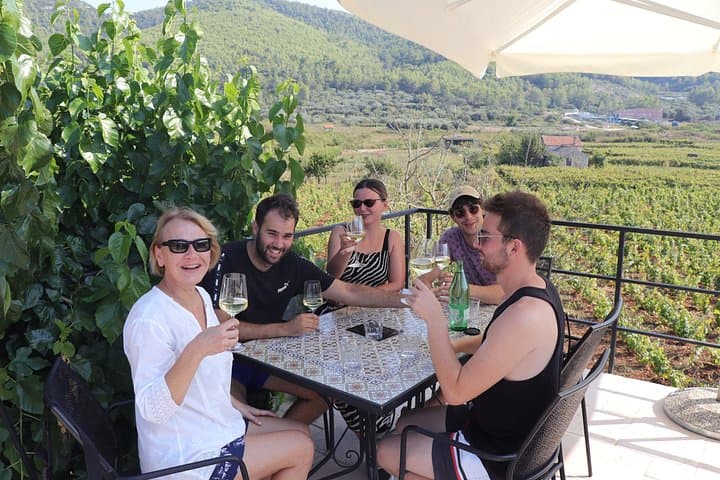
Practical tips: time your visit for morning or late afternoon to avoid peak sun; carry a refillable bottle—water is limited on island routes; and be ready to step off the main path into family-run orchards where stories and samples are the main admission fee. This is an intimate, eco-conscious way to see Korčula beyond the ramparts.
The private eco tour runs about 2–3 hours and is rated moderate—expect several kilometers on village lanes and some short, uneven sections.
The tour includes light snacks and local sips; larger meals are not provided but you’ll visit producers and can buy goods.
The route is family-friendly but requires moderate mobility; travelers with limited mobility should notify the operator in advance.
Guides typically speak English and may offer additional languages—confirm at booking for specific language needs.
Vela Luka Tasting Tours operates guided outdoor trips and adventures with an emphasis on safety, stewardship, and memorable experiences.
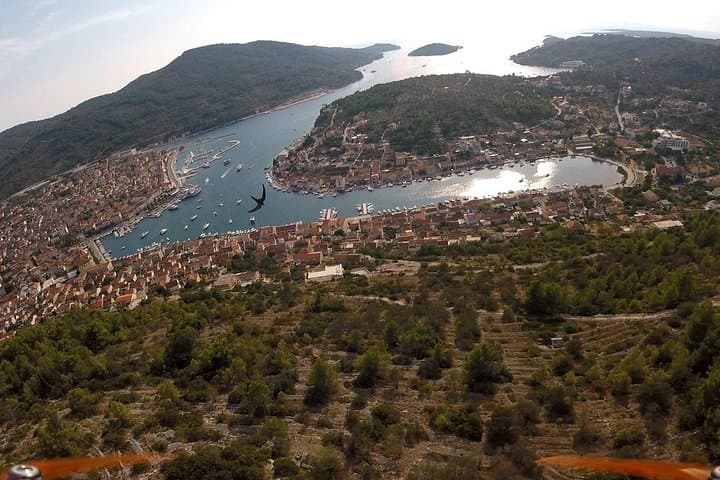
Morning light spills over a tight harbor and the sea breathes coolly against the quay as you step off the boat and onto Korčula’s quieter lanes. Olive groves slope toward stone terraces; cypress and laurel lean into the wind that has shaped the island for millennia. The guide leads a small group away from the postcard Old Town into agricultural plots where rosemary scents the air and the terrain opens to views of the Pelješac Channel.
Morning light spills over a tight harbor and the sea breathes coolly against the quay as you step off the boat and onto Korčula’s quieter lanes. Olive groves slope toward stone terraces; cypress and laurel lean into the wind that has shaped the island for millennia. The guide leads a small group away from the postcard Old Town into agricultural plots where rosemary scents the air and the terrain opens to views of the Pelješac Channel.
Korčula’s human story is written in terraces, dry-stone walls and vineyards—a landscape shaped by karst limestone and centuries of labor. Once nicknamed the “Black Island” for its dense evergreen cover, it bears traces of Venetian trade, medieval fortifications, and a living rural culture centered on olive oil, wine and small-scale orchards. Local games like bocce and hands-on workshops—cheese making, olive pressing, traditional basket weaving—connect visitors directly to those livelihoods.
Expect 2–3 hours of mostly easy to moderate walking on village lanes, farm tracks and short coastal viewpoints. Terrain is uneven in places; comfortable shoes and sun protection matter. The tour emphasizes low-impact practices: meeting producers, tasting seasonal snacks, and learning local stewardship of land and water.
Practical tips: time your visit for morning or late afternoon to avoid peak sun; carry a refillable bottle—water is limited on island routes; and be ready to step off the main path into family-run orchards where stories and samples are the main admission fee. This is an intimate, eco-conscious way to see Korčula beyond the ramparts.