THE ADVENTURE COLLECTIVE® · Independent discovery and booking for outdoor travel

Explore Krka National Park’s famous Skradinski Buk on a private 5–6 hour tour with round-trip transfers from Zadar or Split. Walk wooden boardwalks above 17 cascades, learn about the travertine geology and local mills, and opt to extend to Visovac island for panoramic views.
Explore Krka National Park’s famous Skradinski Buk on a private 5–6 hour tour with round-trip transfers from Zadar or Split. Walk wooden boardwalks above 17 cascades, learn about the travertine geology and local mills, and opt to extend to Visovac island for panoramic views.
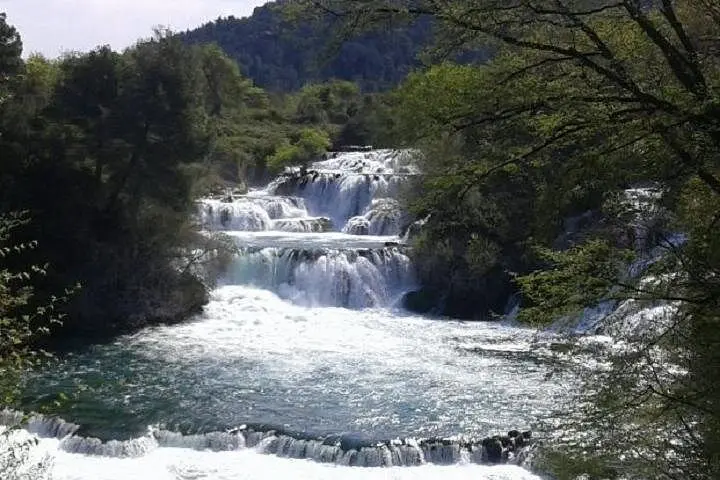
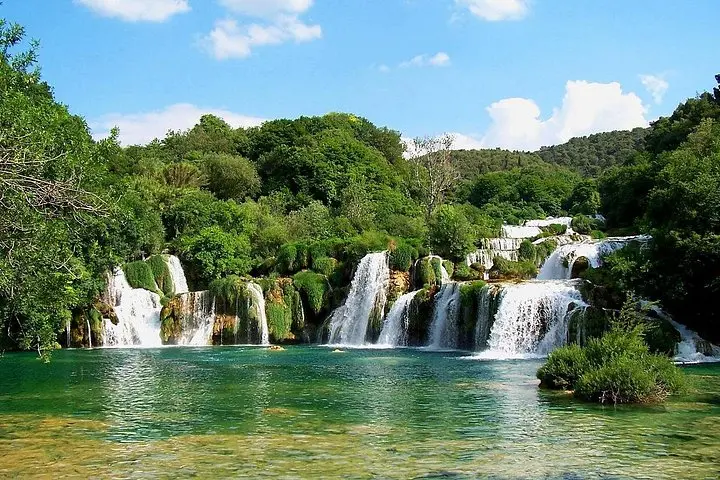
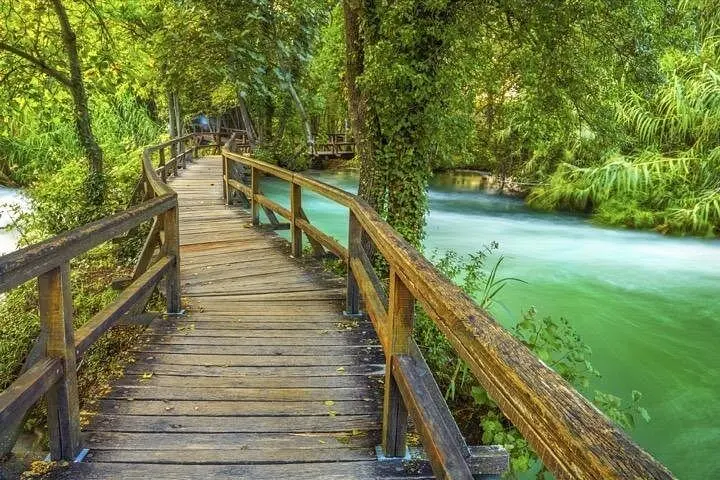
A silver river threads through limestone cliffs as the morning bus pulls into Krka National Park; the sound of water arriving before the place itself. Visitors step onto a network of wooden boardwalks that trace the river’s last cascades, the Skradinski Buk falling in tiers and throwing mist like a challenge to the day.
Verified experiences and guided adventures in the surrounding area.
Operated by Discover my Croatia · Skradin, Šibenik-Knin County
A silver river threads through limestone cliffs as the morning bus pulls into Krka National Park; the sound of water arriving before the place itself. Visitors step onto a network of wooden boardwalks that trace the river’s last cascades, the Skradinski Buk falling in tiers and throwing mist like a challenge to the day.
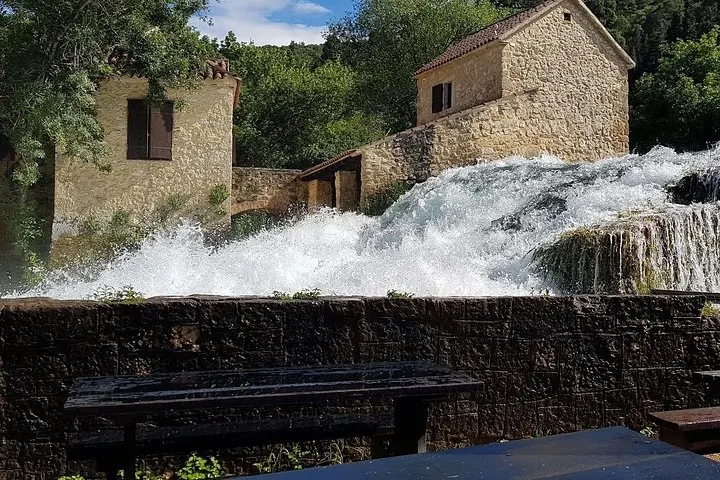
Geology here is immediate: travertine (calcium carbonate) barriers have built themselves into stepped dams over millennia, creating 17 visible cascades and a 46-meter-high travertine wall that marks one of Europe’s most significant natural processes. The area around Skradinski Buk has long been shaped by human use too — old mills and an ethnographic exhibit recall the river’s role in local life, while nearby Visovac island holds a Franciscan monastery and layered cultural history.
Trails are short and deliberate — expect a leisurely 1–3 km of boardwalks and paths with minimal elevation gain, punctuated by viewing platforms and a plateau above the falls. The walking surface can be wet; wooden planks and steps require steady footing. Swimming at Skradinski Buk is prohibited under park regulations, though other park sites allow seasonal swimming.
Practicalities: allow 5–6 hours for a private transfer tour from Zadar or Split, wear grippy shoes and sun protection, and bring water and a light rain layer. Mornings and late afternoons offer softer light for photos and fewer crowds. Guides can extend the itinerary to Visovac for panoramic views. Respect marked paths and follow park signage to minimize impact and keep this travertine system intact for future visitors.
No—park regulations prohibit swimming at Skradinski Buk to protect travertine formations and visitor safety.
Admission is not included by default for this itinerary; check the booking details and plan to purchase park entry if required.
The main boardwalk loop is roughly 1–3 km with minimal elevation gain; surfaces are mostly wooden boardwalks and paths—accessible for many, but some sections have steps.
Yes—on request the private tour can be extended to the Visovac viewpoint or island area, depending on timing and transport arrangements.
Discover my Croatia operates guided outdoor trips and adventures with an emphasis on safety, stewardship, and memorable experiences.
A silver river threads through limestone cliffs as the morning bus pulls into Krka National Park; the sound of water arriving before the place itself. Visitors step onto a network of wooden boardwalks that trace the river’s last cascades, the Skradinski Buk falling in tiers and throwing mist like a challenge to the day.
A silver river threads through limestone cliffs as the morning bus pulls into Krka National Park; the sound of water arriving before the place itself. Visitors step onto a network of wooden boardwalks that trace the river’s last cascades, the Skradinski Buk falling in tiers and throwing mist like a challenge to the day.
Geology here is immediate: travertine (calcium carbonate) barriers have built themselves into stepped dams over millennia, creating 17 visible cascades and a 46-meter-high travertine wall that marks one of Europe’s most significant natural processes. The area around Skradinski Buk has long been shaped by human use too — old mills and an ethnographic exhibit recall the river’s role in local life, while nearby Visovac island holds a Franciscan monastery and layered cultural history.
Trails are short and deliberate — expect a leisurely 1–3 km of boardwalks and paths with minimal elevation gain, punctuated by viewing platforms and a plateau above the falls. The walking surface can be wet; wooden planks and steps require steady footing. Swimming at Skradinski Buk is prohibited under park regulations, though other park sites allow seasonal swimming.
Practicalities: allow 5–6 hours for a private transfer tour from Zadar or Split, wear grippy shoes and sun protection, and bring water and a light rain layer. Mornings and late afternoons offer softer light for photos and fewer crowds. Guides can extend the itinerary to Visovac for panoramic views. Respect marked paths and follow park signage to minimize impact and keep this travertine system intact for future visitors.