THE ADVENTURE COLLECTIVE® · Independent discovery and booking for outdoor travel

A private seven-hour van tour that skips the crowds to show Kyoto’s quieter temples, moss gardens and the iconic Golden Pavilion. Ideal for families, seniors, and groups who want curated cultural stops with short, easy walks.
A private seven-hour van tour that skips the crowds to show Kyoto’s quieter temples, moss gardens and the iconic Golden Pavilion. Ideal for families, seniors, and groups who want curated cultural stops with short, easy walks.
You slide into the cool leather seat and the city of Kyoto folds open like a map beneath the van’s window — cedar-lined lanes, the sudden flash of a gilded roof, a bamboo trail that seems to swallow sound. Your guide drives with practiced calm, steering you away from the busiest corridors toward quiet shrines and mossy temple porches where time moves at a different, calmer pace.
Verified experiences and guided adventures in the surrounding area.
Operated by Amazing Kyoto Experience · Kyoto, Kyoto Prefecture
You slide into the cool leather seat and the city of Kyoto folds open like a map beneath the van’s window — cedar-lined lanes, the sudden flash of a gilded roof, a bamboo trail that seems to swallow sound. Your guide drives with practiced calm, steering you away from the busiest corridors toward quiet shrines and mossy temple porches where time moves at a different, calmer pace.
Kyoto’s layers are visible here: Heian-era aristocracy and Ashikaga shoguns left villas that became temples; volcanic ash and river terraces shaped the hills where shrines perch. Small gardens in provincial temples preserve horticultural practices centuries old, while larger Zen complexes show the austerity of temple landscaping that emerged with medieval Buddhism.
Culturally, the tour emphasizes local rituals and seasonal markers — tea-house etiquette, shrine gate symbolism, and how gardens are designed to be viewed from a tatami porch. Expect to learn why a moss carpet is prized, how koi ponds were once status symbols, and why temple placement often follows old pilgrimage routes.
Practical guidance: this is a relaxed, seven-hour private van tour suited to mixed groups and seniors, with short on-foot stops of 20–120 minutes. Bring comfortable shoes for uneven temple walks, a compact umbrella (Kyoto’s weather changes fast), and cash for small shrine donations or sweets. Ask your guide in advance about steps or long walks if mobility is a concern; many temples have stairs and narrow paths. Plan lunch timing — your guide can recommend local cuisine to match your energy and interest.
The van can accommodate a stroller and drivers will drop you at nearby points, but several temple sites have steps and narrow paths; notify the operator in advance to adjust the itinerary.
Yes — the tour is private and can usually include one requested spot along with several less-visited temples; confirm any major site requests at booking.
Admission is not included; guides will purchase tickets on-site and advise on fees, but plan to pay small entrance charges in cash when required.
Yes — the guide provides tailored restaurant and dessert recommendations and can arrange a lunch stop to match dietary preferences.
Amazing Kyoto Experience operates guided outdoor trips and adventures with an emphasis on safety, stewardship, and memorable experiences.

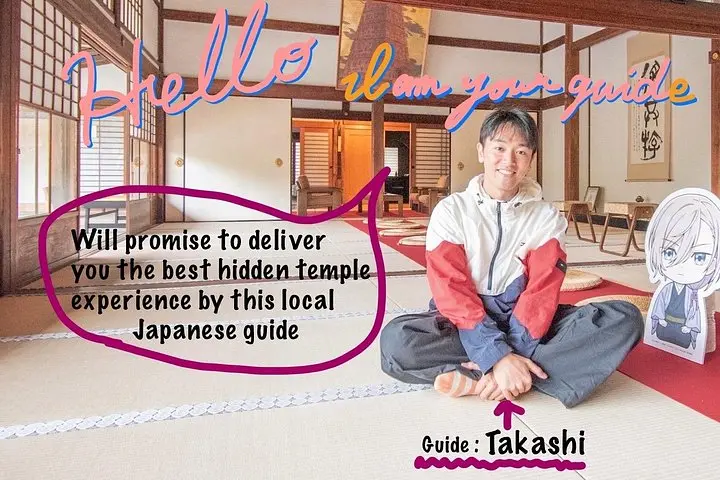
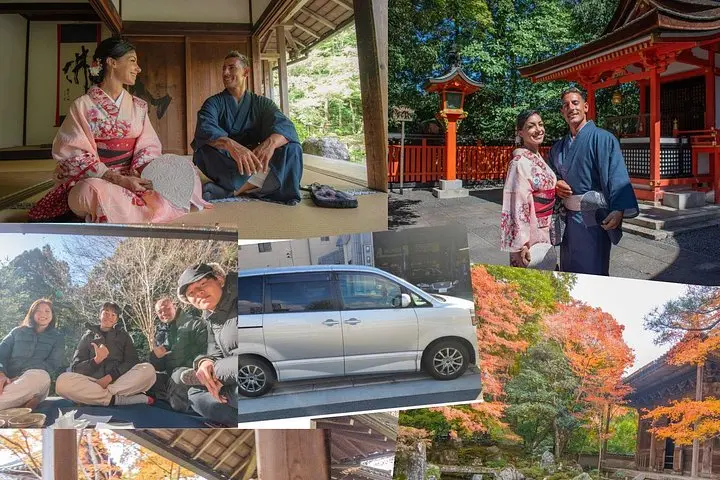
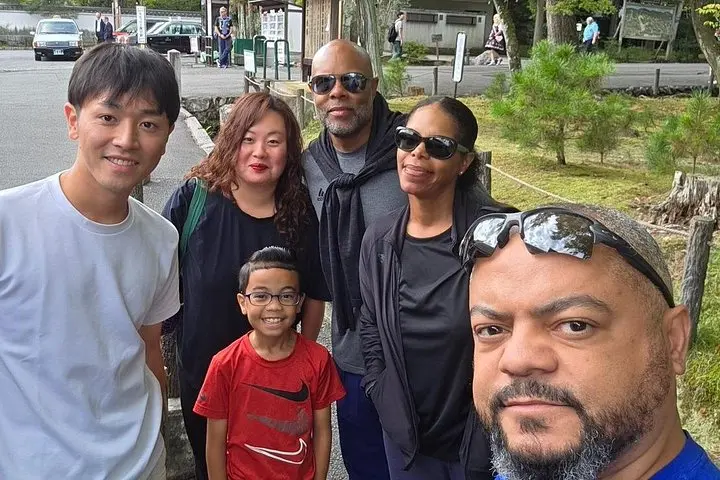
You slide into the cool leather seat and the city of Kyoto folds open like a map beneath the van’s window — cedar-lined lanes, the sudden flash of a gilded roof, a bamboo trail that seems to swallow sound. Your guide drives with practiced calm, steering you away from the busiest corridors toward quiet shrines and mossy temple porches where time moves at a different, calmer pace.
You slide into the cool leather seat and the city of Kyoto folds open like a map beneath the van’s window — cedar-lined lanes, the sudden flash of a gilded roof, a bamboo trail that seems to swallow sound. Your guide drives with practiced calm, steering you away from the busiest corridors toward quiet shrines and mossy temple porches where time moves at a different, calmer pace.
Kyoto’s layers are visible here: Heian-era aristocracy and Ashikaga shoguns left villas that became temples; volcanic ash and river terraces shaped the hills where shrines perch. Small gardens in provincial temples preserve horticultural practices centuries old, while larger Zen complexes show the austerity of temple landscaping that emerged with medieval Buddhism.
Culturally, the tour emphasizes local rituals and seasonal markers — tea-house etiquette, shrine gate symbolism, and how gardens are designed to be viewed from a tatami porch. Expect to learn why a moss carpet is prized, how koi ponds were once status symbols, and why temple placement often follows old pilgrimage routes.
Practical guidance: this is a relaxed, seven-hour private van tour suited to mixed groups and seniors, with short on-foot stops of 20–120 minutes. Bring comfortable shoes for uneven temple walks, a compact umbrella (Kyoto’s weather changes fast), and cash for small shrine donations or sweets. Ask your guide in advance about steps or long walks if mobility is a concern; many temples have stairs and narrow paths. Plan lunch timing — your guide can recommend local cuisine to match your energy and interest.