THE ADVENTURE COLLECTIVE® · Independent discovery and booking for outdoor travel

A private eight-hour tour that condenses Kyoto Prefecture’s coastal sandbars, rural thatched villages, and mountain temples into one seamless day. Choose Amanohashidate & Ine, Miyama & Takao, or Ohara & Lake Biwa for a tailored cultural landscape experience.
A private eight-hour tour that condenses Kyoto Prefecture’s coastal sandbars, rural thatched villages, and mountain temples into one seamless day. Choose Amanohashidate & Ine, Miyama & Takao, or Ohara & Lake Biwa for a tailored cultural landscape experience.
Travelers step from a private car into a palette of sea-swept sandbars, thatched roofs, and temple-streaked hills—all within a single day. The tour moves deliberately: a morning temple walk in Takao, a midday chairlift and sandbar view at Amanohashidate, or a quiet stroll through Miyama’s thatched-farmhouse lanes, depending on the chosen route.
Verified experiences and guided adventures in the surrounding area.
Operated by KyotoNusa Tours · Kyoto, Kyoto Prefecture
Travelers step from a private car into a palette of sea-swept sandbars, thatched roofs, and temple-streaked hills—all within a single day. The tour moves deliberately: a morning temple walk in Takao, a midday chairlift and sandbar view at Amanohashidate, or a quiet stroll through Miyama’s thatched-farmhouse lanes, depending on the chosen route.
Kyoto Prefecture folds together coastal geology and settled countryside. Amanohashidate’s 3.6‑km sandbar is a glacial-era spit that now frames the bay; Lake Biwa is Japan’s largest freshwater lake, its shoreline dotted with fishing villages like Ine where wooden funaya sit half in water. Mountain temples such as Jingoji and Kozanji carry centuries of Buddhist practice—expect stone steps, cedar groves, and slate roofs that feel lived-in rather than museum‑perfect.
Guides supply cultural context: how thatched kayabuki roofs were built, why temple gardens orient toward particular views, and how Hiyoshi Dam shapes downstream flood control. Nature here is active—winds reshape sand, and the lake pushes a cool breath across the shore.
Practicalities matter on an eight-hour private tour. Transportation, chairlift fees, and short boat rides are included; plan for small temple entrance fees (around ¥1,000 at some sites) and bring cash. Wear comfortable walking shoes for uneven village lanes and temple steps, bring a lightweight rain layer in spring and fall, and time visits to avoid midafternoon crowds. For respectful engagement, follow local etiquette in shrines and remove shoes where required. With a private guide and door‑to‑door transport, this trip is ideal for travelers who want concentrated cultural landscape without the hassle—efficient, interpretive, and surprisingly varied in a single day.
The tour lasts about eight hours and includes private transportation, an English-speaking guide, chairlift and boat fees where noted, and bottled water.
Yes—this private tour offers route choices (Miyama & Takao, Amanohashidate & Ine, Ohara & Biwako) and can be tailored to interests within the day’s timeframe.
Some admissions (noted in the itinerary) are included; however, occasional temple entrances may require a small fee of approximately ¥1,000 per person.
Infants and small children can ride in a pram; however, expect stairs and narrow streets in villages—bring an infant carrier for easier mobility.
KyotoNusa Tours operates guided outdoor trips and adventures with an emphasis on safety, stewardship, and memorable experiences.
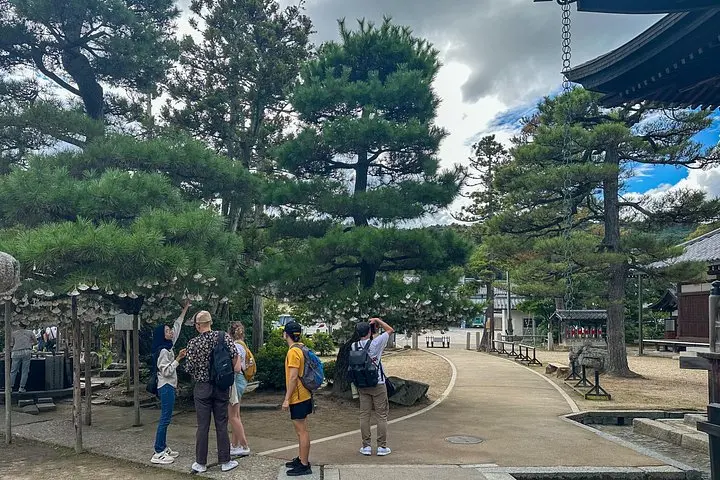
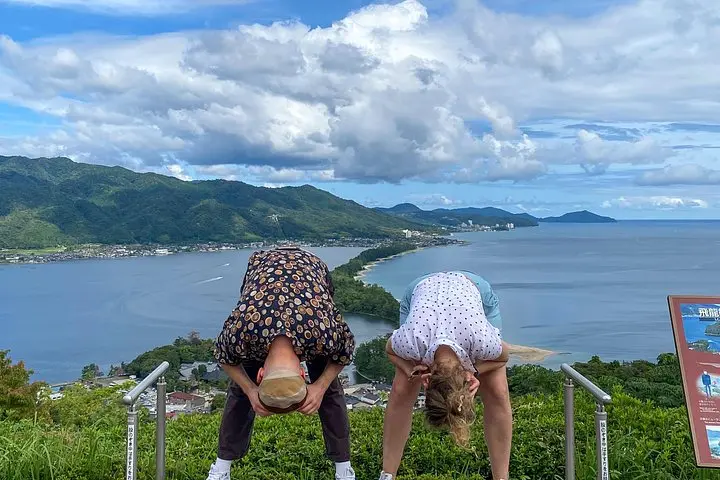
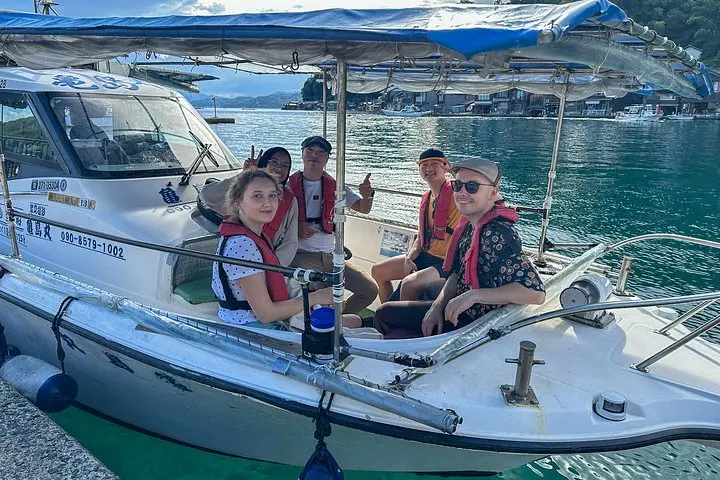
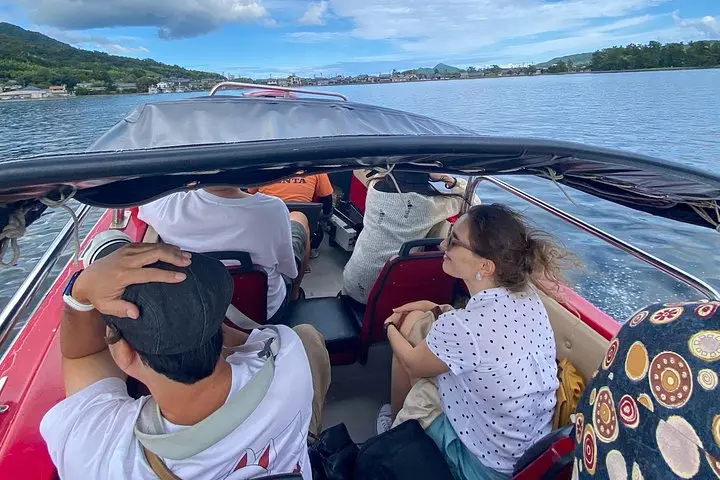
Travelers step from a private car into a palette of sea-swept sandbars, thatched roofs, and temple-streaked hills—all within a single day. The tour moves deliberately: a morning temple walk in Takao, a midday chairlift and sandbar view at Amanohashidate, or a quiet stroll through Miyama’s thatched-farmhouse lanes, depending on the chosen route.
Travelers step from a private car into a palette of sea-swept sandbars, thatched roofs, and temple-streaked hills—all within a single day. The tour moves deliberately: a morning temple walk in Takao, a midday chairlift and sandbar view at Amanohashidate, or a quiet stroll through Miyama’s thatched-farmhouse lanes, depending on the chosen route.
Kyoto Prefecture folds together coastal geology and settled countryside. Amanohashidate’s 3.6‑km sandbar is a glacial-era spit that now frames the bay; Lake Biwa is Japan’s largest freshwater lake, its shoreline dotted with fishing villages like Ine where wooden funaya sit half in water. Mountain temples such as Jingoji and Kozanji carry centuries of Buddhist practice—expect stone steps, cedar groves, and slate roofs that feel lived-in rather than museum‑perfect.
Guides supply cultural context: how thatched kayabuki roofs were built, why temple gardens orient toward particular views, and how Hiyoshi Dam shapes downstream flood control. Nature here is active—winds reshape sand, and the lake pushes a cool breath across the shore.
Practicalities matter on an eight-hour private tour. Transportation, chairlift fees, and short boat rides are included; plan for small temple entrance fees (around ¥1,000 at some sites) and bring cash. Wear comfortable walking shoes for uneven village lanes and temple steps, bring a lightweight rain layer in spring and fall, and time visits to avoid midafternoon crowds. For respectful engagement, follow local etiquette in shrines and remove shoes where required. With a private guide and door‑to‑door transport, this trip is ideal for travelers who want concentrated cultural landscape without the hassle—efficient, interpretive, and surprisingly varied in a single day.