THE ADVENTURE COLLECTIVE® · Independent discovery and booking for outdoor travel

Spend a private day exploring Kyoto’s temples and Nara’s roaming deer with a local driver-guide. This customizable 8–9 hour tour pairs cultural depth with easy logistics—perfect for first-time visitors who want efficient, meaningful time on the ground.
Spend a private day exploring Kyoto’s temples and Nara’s roaming deer with a local driver-guide. This customizable 8–9 hour tour pairs cultural depth with easy logistics—perfect for first-time visitors who want efficient, meaningful time on the ground.
You step into a compact world where carved wooden eaves cast cool patterns across stone paths and a river in Kyoto dares you to slow down. A private, air-conditioned vehicle ferries you out of the city’s rush into quieter temple precincts and, later, the open lawns of Nara where deer weave through visitors like curious hosts.
Verified experiences and guided adventures in the surrounding area.
Operated by Toddyland Travel and tourism · Kyoto, Kyoto Prefecture
You step into a compact world where carved wooden eaves cast cool patterns across stone paths and a river in Kyoto dares you to slow down. A private, air-conditioned vehicle ferries you out of the city’s rush into quieter temple precincts and, later, the open lawns of Nara where deer weave through visitors like curious hosts.
Kyoto was Japan’s imperial heart for over a thousand years; Nara predates it as an even earlier capital, where clay roof tiles and Buddhist statues tell a living history. Geology here is gentle—low hills, the Kamo River floodplain, and volcanic soils that helped shape shrine gardens and verdant tea terraces. Culture is tangible: ritual cleansing at shrine troughs, wooden geta left at entranceways, and sake shops in Fushimi that have been aging rice wine for generations.
The day is flexible: expect 8–9 hours total, a mix of short, concentrated walks (2–5 miles of walking across multiple sites), stairs at temple complexes, and time in the van for moving between highlights. Practicalities matter—many sites require modest dress or shoe removal; cash is useful for small shops and offerings; peak cherry blossom and autumn leaf seasons bring heavier crowds.
Plan light layers, a charged phone for photos and navigation, and a rhythm that balances guided history with spontaneous alleyway discoveries. With a local driver-guide, you’ll cover more ground than on public transit while keeping the day personal and paced to your interests.
Yes — the tour provides hotel pickup within Kyoto as part of the private transfer.
An English-speaking driver-guide is included; request other languages at booking but availability may vary.
Yes — the tour is private and unstructured, so your guide can tailor stops to your interests within the 8–9 hour window.
Infants are required to sit on laps, and specialized infant seats are available on request — the tour is suitable for all fitness levels.
Toddyland Travel and tourism operates guided outdoor trips and adventures with an emphasis on safety, stewardship, and memorable experiences.
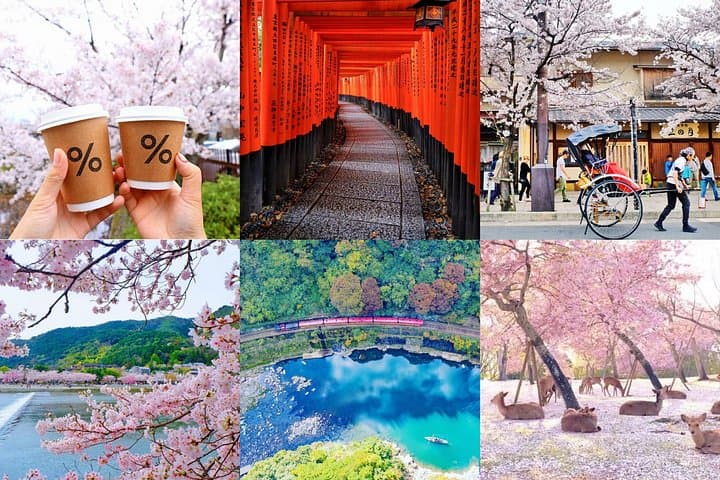
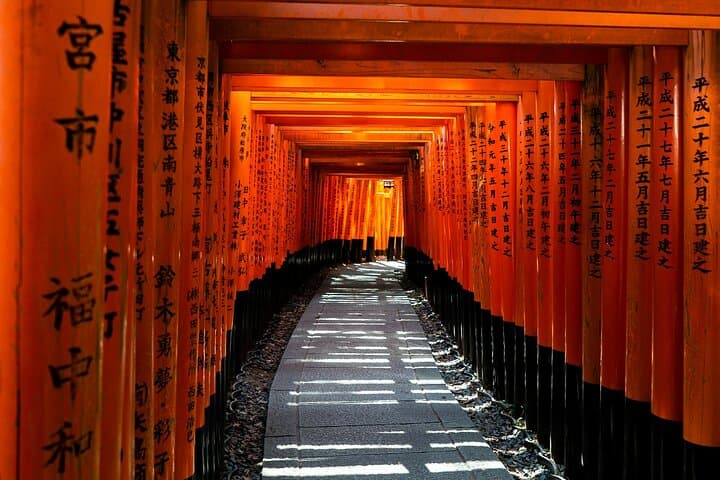
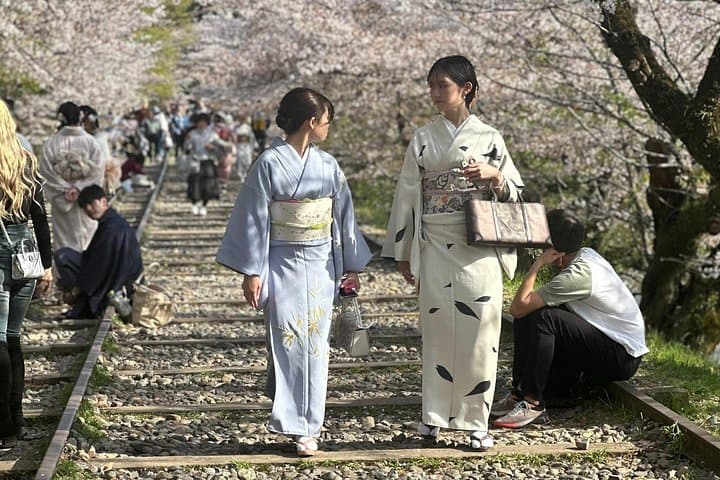
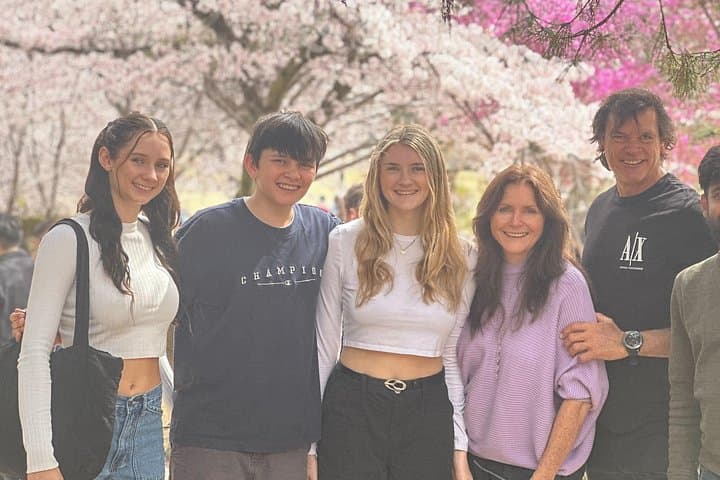
You step into a compact world where carved wooden eaves cast cool patterns across stone paths and a river in Kyoto dares you to slow down. A private, air-conditioned vehicle ferries you out of the city’s rush into quieter temple precincts and, later, the open lawns of Nara where deer weave through visitors like curious hosts.
You step into a compact world where carved wooden eaves cast cool patterns across stone paths and a river in Kyoto dares you to slow down. A private, air-conditioned vehicle ferries you out of the city’s rush into quieter temple precincts and, later, the open lawns of Nara where deer weave through visitors like curious hosts.
Kyoto was Japan’s imperial heart for over a thousand years; Nara predates it as an even earlier capital, where clay roof tiles and Buddhist statues tell a living history. Geology here is gentle—low hills, the Kamo River floodplain, and volcanic soils that helped shape shrine gardens and verdant tea terraces. Culture is tangible: ritual cleansing at shrine troughs, wooden geta left at entranceways, and sake shops in Fushimi that have been aging rice wine for generations.
The day is flexible: expect 8–9 hours total, a mix of short, concentrated walks (2–5 miles of walking across multiple sites), stairs at temple complexes, and time in the van for moving between highlights. Practicalities matter—many sites require modest dress or shoe removal; cash is useful for small shops and offerings; peak cherry blossom and autumn leaf seasons bring heavier crowds.
Plan light layers, a charged phone for photos and navigation, and a rhythm that balances guided history with spontaneous alleyway discoveries. With a local driver-guide, you’ll cover more ground than on public transit while keeping the day personal and paced to your interests.