THE ADVENTURE COLLECTIVE® · Independent discovery and booking for outdoor travel

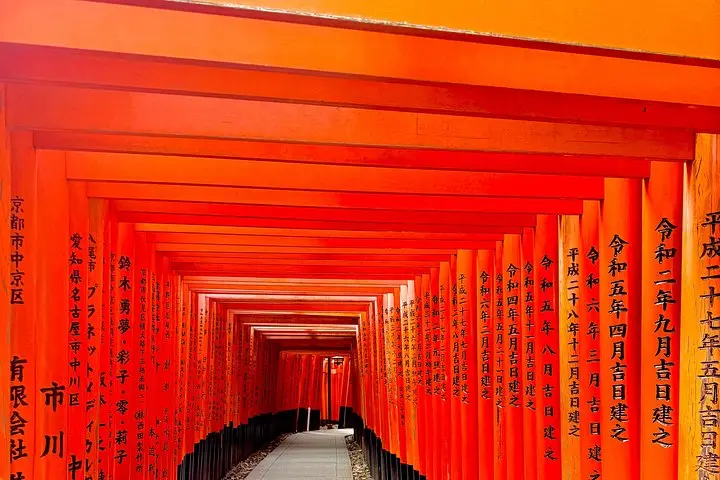
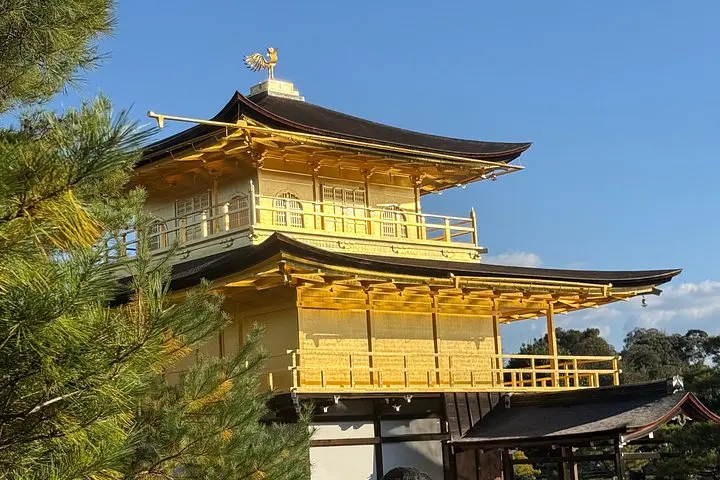
Spend a full day exploring Kyoto’s hilltop temples and Nara’s ancient monuments with a private English-speaking guide and vehicle. This 8–10 hour itinerary pairs iconic sites — Fushimi Inari, Kiyomizu-dera, Kinkaku-ji and Tōdai‑ji — with practical insights on timing and etiquette.
Spend a full day exploring Kyoto’s hilltop temples and Nara’s ancient monuments with a private English-speaking guide and vehicle. This 8–10 hour itinerary pairs iconic sites — Fushimi Inari, Kiyomizu-dera, Kinkaku-ji and Tōdai‑ji — with practical insights on timing and etiquette.
You step out of the vehicle and the air shifts — cedar smoke from temple lanterns, the faint clack of geta on stone, and the curious heads of Nara’s deer bobbing between maple trunks. This private day tour links two eras: the courtly calm of Kyoto’s hilltop shrines and the ancient cityscape of Nara where the Great Buddha watches quietly over a park that has hosted sacred deer for centuries.
Verified experiences and guided adventures in the surrounding area.
Operated by Osaka travels · Kyoto, Kyoto Prefecture
You step out of the vehicle and the air shifts — cedar smoke from temple lanterns, the faint clack of geta on stone, and the curious heads of Nara’s deer bobbing between maple trunks. This private day tour links two eras: the courtly calm of Kyoto’s hilltop shrines and the ancient cityscape of Nara where the Great Buddha watches quietly over a park that has hosted sacred deer for centuries.
Kyoto served as Japan’s imperial capital for more than a thousand years; Kiyomizu-dera and Fushimi Inari show wooden craftsmanship and Shinto pilgrim routes layered across time. Nara, older still, preserves 8th‑century Buddhist monuments like Tōdai‑ji and its colossal Daibutsu — bronze and presence that shaped early Japanese state religion. Geology here is gentle: low hills, river valleys and volcanic soils that feed mossy temple gardens and bamboo stands in Arashiyama.
Expect an 8–10 hour rhythm: short drives between sites, roughly an hour at each major stop, and several stretches of walking on uneven stone, wooden platforms and forest paths. Your English-speaking guide will steer timing, line logistics and etiquette — bowing, cleansing at temizuya fountains, and respectful photo distance from deer.
Practical notes: wear supportive walking shoes, carry small change (temple offerings or deer crackers sold nearby), and plan for variable weather — light rain can make wooden steps slick. Aim for early departures to beat crowds at Fushimi Inari or Kiyomizu-dera and bring a charged camera battery; scenes change fast as light slides across tiled roofs and vermilion gates.
Pickup can often be arranged in central Kyoto or Osaka depending on booking; confirm your pickup point with the operator at time of reservation.
This tour’s itinerary notes admission is not included for several temples — check with the operator which sites charge entry and bring cash or a card.
The operator lists wheelchair accessibility, but many historic sites have steps and uneven paths; inquire about on-site access and alternatives before booking.
Yes — private tours are designed to be flexible; tell your guide your priorities and they’ll adjust time at each site where possible.
Osaka travels operates guided outdoor trips and adventures with an emphasis on safety, stewardship, and memorable experiences.
You step out of the vehicle and the air shifts — cedar smoke from temple lanterns, the faint clack of geta on stone, and the curious heads of Nara’s deer bobbing between maple trunks. This private day tour links two eras: the courtly calm of Kyoto’s hilltop shrines and the ancient cityscape of Nara where the Great Buddha watches quietly over a park that has hosted sacred deer for centuries.
You step out of the vehicle and the air shifts — cedar smoke from temple lanterns, the faint clack of geta on stone, and the curious heads of Nara’s deer bobbing between maple trunks. This private day tour links two eras: the courtly calm of Kyoto’s hilltop shrines and the ancient cityscape of Nara where the Great Buddha watches quietly over a park that has hosted sacred deer for centuries.
Kyoto served as Japan’s imperial capital for more than a thousand years; Kiyomizu-dera and Fushimi Inari show wooden craftsmanship and Shinto pilgrim routes layered across time. Nara, older still, preserves 8th‑century Buddhist monuments like Tōdai‑ji and its colossal Daibutsu — bronze and presence that shaped early Japanese state religion. Geology here is gentle: low hills, river valleys and volcanic soils that feed mossy temple gardens and bamboo stands in Arashiyama.
Expect an 8–10 hour rhythm: short drives between sites, roughly an hour at each major stop, and several stretches of walking on uneven stone, wooden platforms and forest paths. Your English-speaking guide will steer timing, line logistics and etiquette — bowing, cleansing at temizuya fountains, and respectful photo distance from deer.
Practical notes: wear supportive walking shoes, carry small change (temple offerings or deer crackers sold nearby), and plan for variable weather — light rain can make wooden steps slick. Aim for early departures to beat crowds at Fushimi Inari or Kiyomizu-dera and bring a charged camera battery; scenes change fast as light slides across tiled roofs and vermilion gates.