THE ADVENTURE COLLECTIVE® · Independent discovery and booking for outdoor travel

Spend a full day moving from Kiyomizu‑dera’s soaring stage to Fushimi Inari’s torii tunnels with a private guide and transfers. This full‑day tour pairs efficient transport with time to explore temples, gardens and Arashiyama’s bamboo groves at your own pace.
Spend a full day moving from Kiyomizu‑dera’s soaring stage to Fushimi Inari’s torii tunnels with a private guide and transfers. This full‑day tour pairs efficient transport with time to explore temples, gardens and Arashiyama’s bamboo groves at your own pace.
Morning light slips across wooden eaves as a private car threads Kyoto’s quiet streets, depositing travelers where history meets everyday life: temple steps warmed by sun, torii gates slicing the air into streaks of vermilion.
Verified experiences and guided adventures in the surrounding area.
Operated by Kizuna Discoveries · Kyoto, Kyoto Prefecture
Morning light slips across wooden eaves as a private car threads Kyoto’s quiet streets, depositing travelers where history meets everyday life: temple steps warmed by sun, torii gates slicing the air into streaks of vermilion.
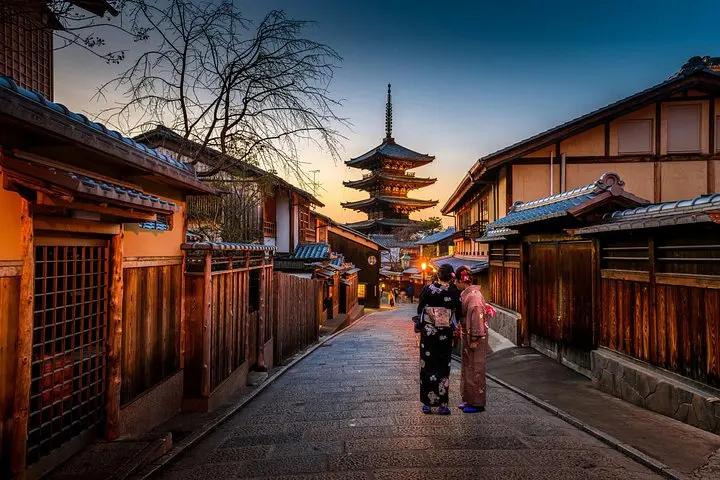
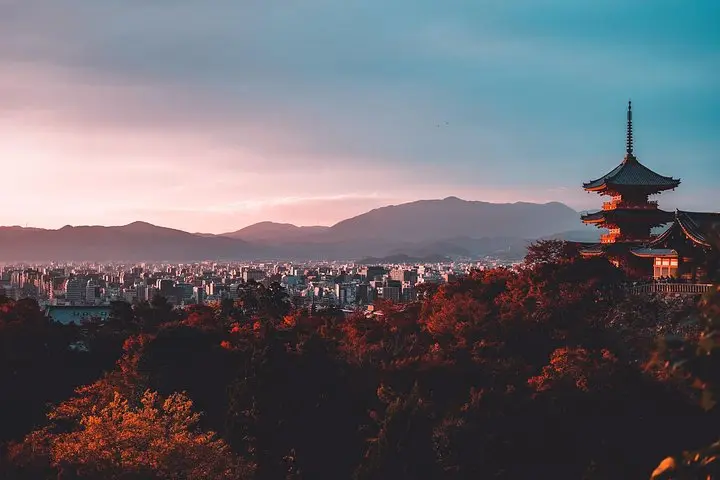
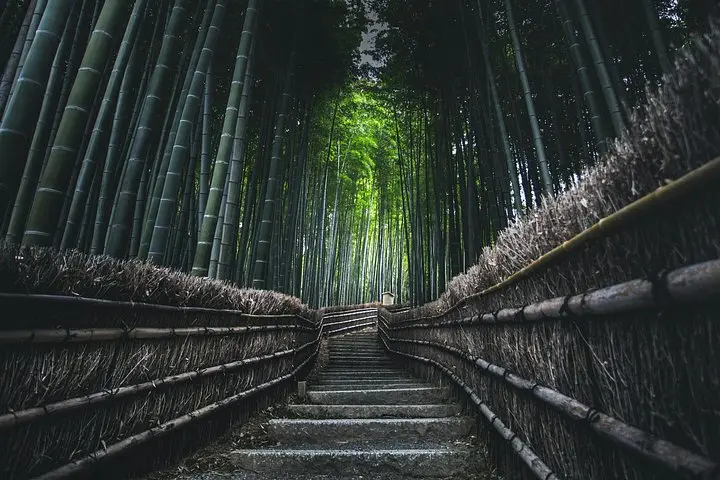
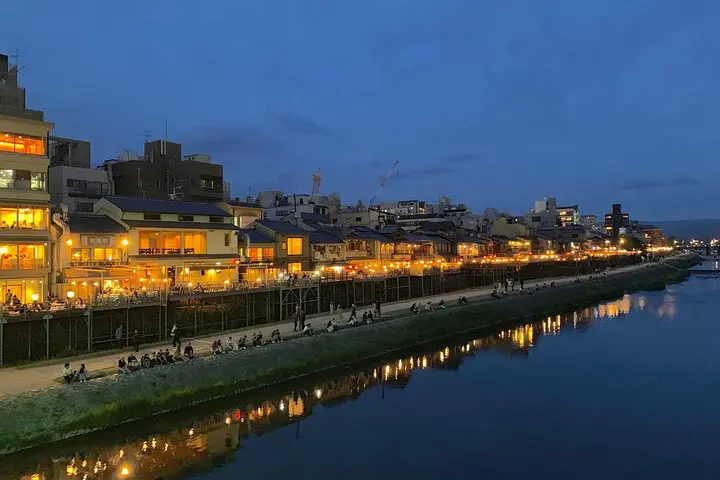
The day moves like a curated walk through Japan’s capital of culture. Kiyomizu-dera’s wooden stage projects over a valley carved by the Otowa stream; Fushimi Inari’s thousand gates form a tunnel that asks you to keep walking. In Arashiyama, bamboo stalks hush the river’s chatter while Togetsu Bridge frames fishermen and commuters alike. These sites sit on layers of history — Kyoto was the imperial seat for more than a millennium, and its shrines, Zen gardens and tea houses reflect both Heian court ritual and later Edo-era refinements.
Geology here is gentle: low volcanic foothills, the Kamo and Katsura rivers, and fertile valleys that shaped settlement. Culture is tactile — carved wood, raked gravel, and ceramics cooled in local kilns. Local insights: plan temple visits early to avoid crowds; seek a small tea house in Gion for matcha and conversation.
Practical guidance: expect an 8‑hour private tour that includes transfers; wear supportive walking shoes and bring a compact umbrella in rainy seasons. Many attractions charge separate admission; confirm what’s included when booking. Pace the day: hydration breaks, shoes that handle stone steps, and modest attire for sacred sites keep the rhythm smooth. With a private guide and door‑to‑door transfers, this itinerary delivers Kyoto’s highlight reel while leaving room to linger where the city invites you to stay a little longer.
Not always — several sites on the itinerary list admission as not included; confirm specific entry fees with the operator when booking.
Yes — the tour description includes transfers and meet & greet; transport mode may alternate between taxi and train depending on traffic and timing.
The tour is stroller accessible for infants and small children in many areas, but expect stairs and uneven paths at some temples.
Advance booking is recommended, especially for private tours and peak seasons; cancellation full refund if made at least 24 hours before departure.
Kizuna Discoveries operates guided outdoor trips and adventures with an emphasis on safety, stewardship, and memorable experiences.
Morning light slips across wooden eaves as a private car threads Kyoto’s quiet streets, depositing travelers where history meets everyday life: temple steps warmed by sun, torii gates slicing the air into streaks of vermilion.
Morning light slips across wooden eaves as a private car threads Kyoto’s quiet streets, depositing travelers where history meets everyday life: temple steps warmed by sun, torii gates slicing the air into streaks of vermilion.
The day moves like a curated walk through Japan’s capital of culture. Kiyomizu-dera’s wooden stage projects over a valley carved by the Otowa stream; Fushimi Inari’s thousand gates form a tunnel that asks you to keep walking. In Arashiyama, bamboo stalks hush the river’s chatter while Togetsu Bridge frames fishermen and commuters alike. These sites sit on layers of history — Kyoto was the imperial seat for more than a millennium, and its shrines, Zen gardens and tea houses reflect both Heian court ritual and later Edo-era refinements.
Geology here is gentle: low volcanic foothills, the Kamo and Katsura rivers, and fertile valleys that shaped settlement. Culture is tactile — carved wood, raked gravel, and ceramics cooled in local kilns. Local insights: plan temple visits early to avoid crowds; seek a small tea house in Gion for matcha and conversation.
Practical guidance: expect an 8‑hour private tour that includes transfers; wear supportive walking shoes and bring a compact umbrella in rainy seasons. Many attractions charge separate admission; confirm what’s included when booking. Pace the day: hydration breaks, shoes that handle stone steps, and modest attire for sacred sites keep the rhythm smooth. With a private guide and door‑to‑door transfers, this itinerary delivers Kyoto’s highlight reel while leaving room to linger where the city invites you to stay a little longer.