THE ADVENTURE COLLECTIVE® · Independent discovery and booking for outdoor travel

See Kyoto beyond the main temples on a private six‑hour van tour that pairs must‑see landmarks with off‑the‑beaten‑path shrines and mountain viewpoints. A local English guide explains Buddhist history, sacred trees, and the natural rhythms of Arashiyama and Fushimi Inari.
See Kyoto beyond the main temples on a private six‑hour van tour that pairs must‑see landmarks with off‑the‑beaten‑path shrines and mountain viewpoints. A local English guide explains Buddhist history, sacred trees, and the natural rhythms of Arashiyama and Fushimi Inari.
A low, silver van eases out of the city and the air changes: cedar-scented slopes push at the windows, bamboo alleyways whisper as you pass, and the red gates of Fushimi Inari seem to march across the hills like a living map. The guide opens a door on stories—monks, merchants, and the rituals that shaped Kyoto—and the city unfolds not as postcards but as a working landscape.
Verified experiences and guided adventures in the surrounding area.
Operated by WadaF Tours · Kyoto, Kyoto Prefecture
A low, silver van eases out of the city and the air changes: cedar-scented slopes push at the windows, bamboo alleyways whisper as you pass, and the red gates of Fushimi Inari seem to march across the hills like a living map. The guide opens a door on stories—monks, merchants, and the rituals that shaped Kyoto—and the city unfolds not as postcards but as a working landscape.
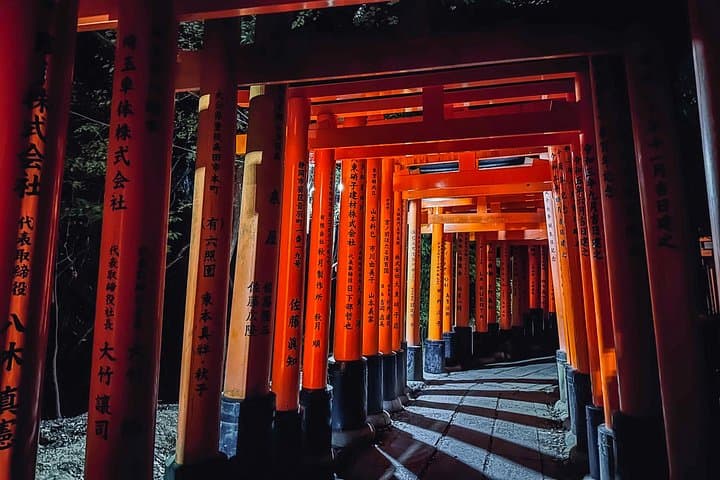
Kyoto was the imperial capital for over a millennium, its temples and shrines layered over volcanic hills and river valleys carved by the Kamo and Katsura rivers. In Arashiyama, moss gardens and the bamboo grove reveal geology and horticulture: river terraces, volcanic soils, and managed forests that local Shinto adherents still revere. Fushimi Inari dates to the 8th century and frames human devotion in a corridor of torii that narrows the ego and widens perspective.
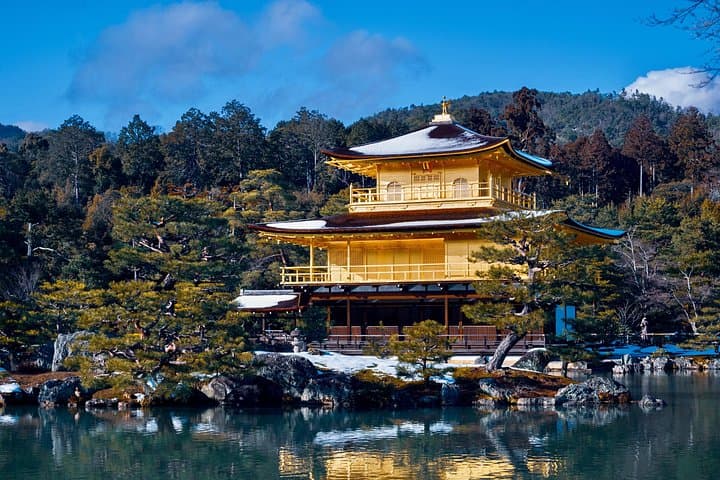
This private van day trip stitches those sites together—Golden Pavilion, quiet mountain shrines, Hozu Gorge viewpoints, and a secret cedar grove—so travelers see both icons and quieter corners with an English-speaking local who explains Buddhist symbolism and rural woodcraft.
Practical notes: expect six hours on a mix of short walks and vehicle transfers; some temple approaches include steps and uneven paths. Carry cash for small shrine fees and offerings, wear grippy shoes for mossy paths, and plan the day for morning light at Arashiyama or late afternoon at Kinkakuji when crowds thin. Respect sacred trees and stay on marked trails—these places bear centuries of ritual and require patient observation to be fully felt.
Yes—pick-up and drop-off anywhere in Kyoto city is included; the guide will coordinate your exact pickup time and vehicle plate.
Expect several short walks (10–70 minutes) at sites like Fushimi Inari and the bamboo grove plus some steps—most of the day is spent comfortably in the van between stops.
Some sites require admission not included in the tour price; your guide will advise on any fees ahead of visits.
This is a private tour so the guide can adapt stops within the six‑hour window to emphasize temples, nature, or cultural stories based on your interests.
WadaF Tours operates guided outdoor trips and adventures with an emphasis on safety, stewardship, and memorable experiences.


A low, silver van eases out of the city and the air changes: cedar-scented slopes push at the windows, bamboo alleyways whisper as you pass, and the red gates of Fushimi Inari seem to march across the hills like a living map. The guide opens a door on stories—monks, merchants, and the rituals that shaped Kyoto—and the city unfolds not as postcards but as a working landscape.
A low, silver van eases out of the city and the air changes: cedar-scented slopes push at the windows, bamboo alleyways whisper as you pass, and the red gates of Fushimi Inari seem to march across the hills like a living map. The guide opens a door on stories—monks, merchants, and the rituals that shaped Kyoto—and the city unfolds not as postcards but as a working landscape.
Kyoto was the imperial capital for over a millennium, its temples and shrines layered over volcanic hills and river valleys carved by the Kamo and Katsura rivers. In Arashiyama, moss gardens and the bamboo grove reveal geology and horticulture: river terraces, volcanic soils, and managed forests that local Shinto adherents still revere. Fushimi Inari dates to the 8th century and frames human devotion in a corridor of torii that narrows the ego and widens perspective.
This private van day trip stitches those sites together—Golden Pavilion, quiet mountain shrines, Hozu Gorge viewpoints, and a secret cedar grove—so travelers see both icons and quieter corners with an English-speaking local who explains Buddhist symbolism and rural woodcraft.
Practical notes: expect six hours on a mix of short walks and vehicle transfers; some temple approaches include steps and uneven paths. Carry cash for small shrine fees and offerings, wear grippy shoes for mossy paths, and plan the day for morning light at Arashiyama or late afternoon at Kinkakuji when crowds thin. Respect sacred trees and stay on marked trails—these places bear centuries of ritual and require patient observation to be fully felt.