THE ADVENTURE COLLECTIVE® · Independent discovery and booking for outdoor travel
Explore Kyoto at your pace with a private local guide who customizes a walking itinerary around your interests. From temple terraces to hidden alleys, this tailored tour blends major sights with neighborhood secrets.
Explore Kyoto at your pace with a private local guide who customizes a walking itinerary around your interests. From temple terraces to hidden alleys, this tailored tour blends major sights with neighborhood secrets.
You step off a quiet side street and the city shifts: lantern-lit alleys, the low clack of geta, and the scent of grilled yakitori weaving through wooden storefronts. A local guide meets you with a map folded into familiar creases and a plan shaped by your interests — food, temples, or tucked-away neighborhoods — and the day becomes a walk through Kyoto's lived layers.
Verified experiences and guided adventures in the surrounding area.
Operated by City Unscripted · Kyoto, Kyoto
You step off a quiet side street and the city shifts: lantern-lit alleys, the low clack of geta, and the scent of grilled yakitori weaving through wooden storefronts. A local guide meets you with a map folded into familiar creases and a plan shaped by your interests — food, temples, or tucked-away neighborhoods — and the day becomes a walk through Kyoto's lived layers.
Kyoto was Japan’s imperial capital for over a millennium, and its streets still reflect that continuity: Heian-era shrines, Edo-period machiya houses, and postwar cafes rubbing shoulders. Geologically, the city sits on a flat basin ringed by forested hills; those hills supply the cedar and cypress used in temple construction and the cool breezes that push through river valleys. Culturally, expect ritual and routine — shrine etiquette, quiet pauses at teahouses, and the seasonal focus of festivals like Gion Matsuri.
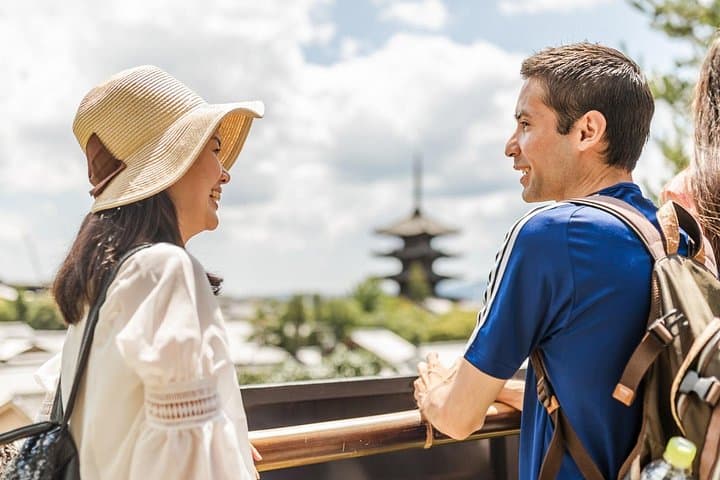
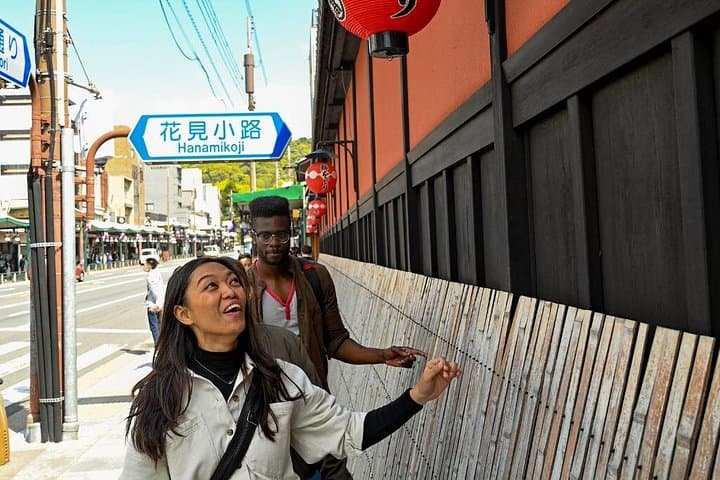
This private, personalized walking tour trades rote commentary for curiosity-driven discovery. Your host will guide you past highlight stops — Fushimi Inari’s torii, Kiyomizu-dera views, Gion’s wooden façades — and into narrow lanes like Pontocho or Sannenzaka where artisans and small eateries operate out of centuries-old storefronts.
Practical edge: tours are fully tailored and run 2–5 hours on foot; wear comfortable shoes and plan for public-transport connections if you choose distant temples. Bring cash for shrine offerings and small purchases; many neighborhood vendors remain cash-first. Morning or late afternoon light is best for photos and cooler walking. Respect temple etiquette, follow your guide’s local tips for quieter routes, and expect a flexible, conversational pace that feels less like sightseeing and more like being shown your friend’s favorite city corners.
After booking you’ll receive a short questionnaire; your guide will contact you to tailor the route, pace, and sites to your interests.
This is primarily a walking tour; public transport or taxis can be used between far-flung sites and costs can be arranged with your host.
Yes — the tour is suitable for strollers and wheelchair access can be discussed when booking so routes are chosen accordingly.
For a full refund cancel at least 24 hours before the scheduled start time; check your booking confirmation for details.
City Unscripted operates guided outdoor trips and adventures with an emphasis on safety, stewardship, and memorable experiences.
You step off a quiet side street and the city shifts: lantern-lit alleys, the low clack of geta, and the scent of grilled yakitori weaving through wooden storefronts. A local guide meets you with a map folded into familiar creases and a plan shaped by your interests — food, temples, or tucked-away neighborhoods — and the day becomes a walk through Kyoto's lived layers.
You step off a quiet side street and the city shifts: lantern-lit alleys, the low clack of geta, and the scent of grilled yakitori weaving through wooden storefronts. A local guide meets you with a map folded into familiar creases and a plan shaped by your interests — food, temples, or tucked-away neighborhoods — and the day becomes a walk through Kyoto's lived layers.
Kyoto was Japan’s imperial capital for over a millennium, and its streets still reflect that continuity: Heian-era shrines, Edo-period machiya houses, and postwar cafes rubbing shoulders. Geologically, the city sits on a flat basin ringed by forested hills; those hills supply the cedar and cypress used in temple construction and the cool breezes that push through river valleys. Culturally, expect ritual and routine — shrine etiquette, quiet pauses at teahouses, and the seasonal focus of festivals like Gion Matsuri.
This private, personalized walking tour trades rote commentary for curiosity-driven discovery. Your host will guide you past highlight stops — Fushimi Inari’s torii, Kiyomizu-dera views, Gion’s wooden façades — and into narrow lanes like Pontocho or Sannenzaka where artisans and small eateries operate out of centuries-old storefronts.
Practical edge: tours are fully tailored and run 2–5 hours on foot; wear comfortable shoes and plan for public-transport connections if you choose distant temples. Bring cash for shrine offerings and small purchases; many neighborhood vendors remain cash-first. Morning or late afternoon light is best for photos and cooler walking. Respect temple etiquette, follow your guide’s local tips for quieter routes, and expect a flexible, conversational pace that feels less like sightseeing and more like being shown your friend’s favorite city corners.
