THE ADVENTURE COLLECTIVE® · Independent discovery and booking for outdoor travel

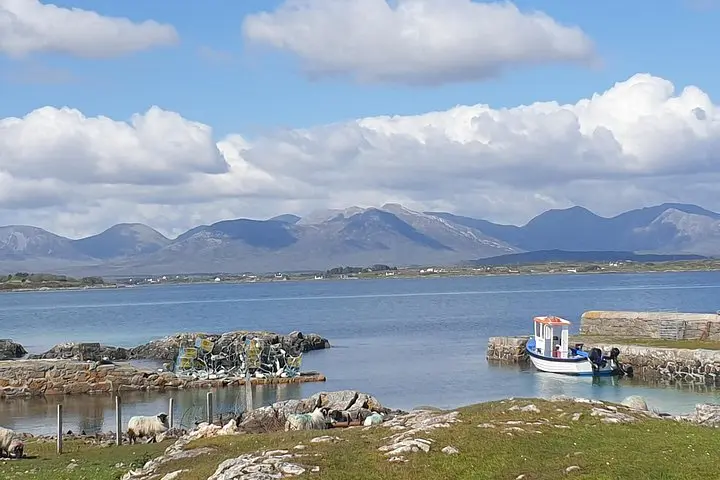
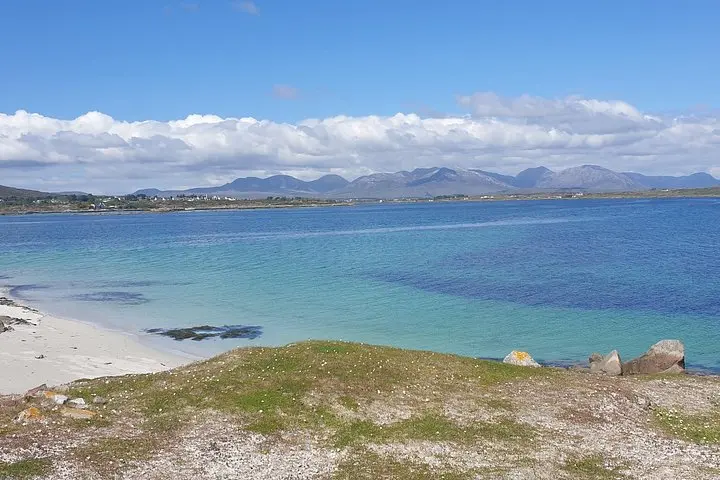
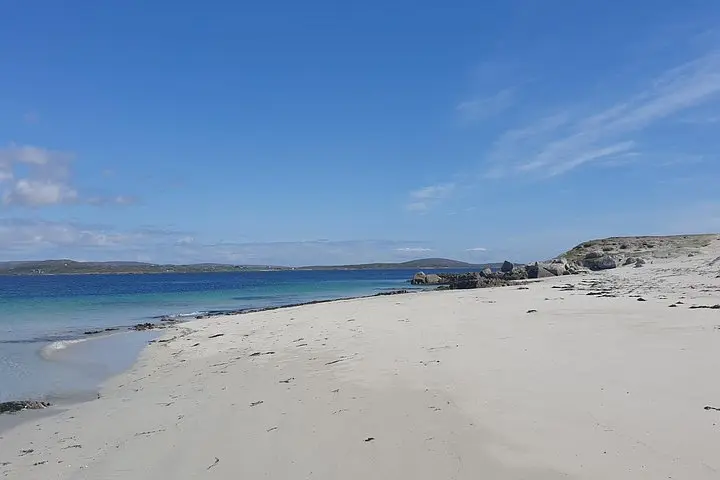
Board in Roundstone and cross Roundstone Bay to a small, uninhabited island with white beaches, clear water and low rocky outcrops. This private landing tour mixes wildlife viewing, a taste of local fishing life and easy walks on largely undeveloped coastline.
Board in Roundstone and cross Roundstone Bay to a small, uninhabited island with white beaches, clear water and low rocky outcrops. This private landing tour mixes wildlife viewing, a taste of local fishing life and easy walks on largely undeveloped coastline.
A low bow parts the glassy bay and the Twelve Bens crouch on the horizon as you glide from Roundstone toward a pale arc of sand — Inishlacken’s beaches gleam like a secret. The boat ride through Roundstone Bay is half the choreographed pleasure: watch seals pop up, gulls wheel, and the shoreline of Connemara shift from farmed peat to exposed rock.
Verified experiences and guided adventures in the surrounding area.
Operated by Roundstone bay and island boat and food tours · Roundstone, County Galway
A low bow parts the glassy bay and the Twelve Bens crouch on the horizon as you glide from Roundstone toward a pale arc of sand — Inishlacken’s beaches gleam like a secret. The boat ride through Roundstone Bay is half the choreographed pleasure: watch seals pop up, gulls wheel, and the shoreline of Connemara shift from farmed peat to exposed rock.
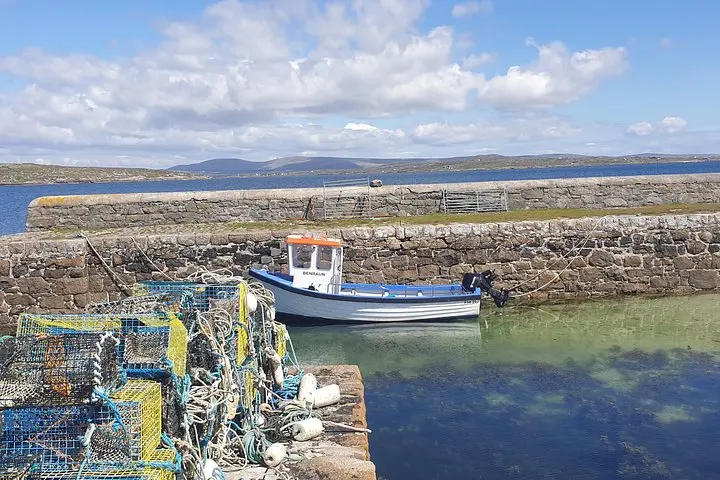
Inishlacken sits off Roundstone in County Galway, a small rocky island shaped by glacial scouring and Atlantic surf. The geology is old metamorphic and sandstone, with raised beaches and outcrops that catch wind and light. The area carries a living culture of fishing and small-family lobster pots; local skippers often tow a pot so visitors can watch the haul come aboard — a tangible link to daily life here.
On landing expect easy walking: compact sand, short grassy slopes and low rocky scrambles rather than steep climbs — elevation is minimal but uneven underfoot. Wildlife drives the pace: dabbling waders, nesting gulls and the occasional grey seal inspecting your approach. Time your visit for calm weather; the sea can change quickly.
Practical guidance: the tour runs about 2–2.5 hours total including transfer, so pack windproof layers, sun protection, and a dry bag for cameras. Footwear with grip helps for rocky points; bring water and snacks — there are no facilities on the island. Respect bird colonies, take nothing but photos, and leave the island as you found it. This is a short, accessible island landing that stitches coastal scenery, local fishing tradition, and a true sense of getting away from it all.
The full experience is about 2–2.5 hours; the crossing to Inishlacken and time on the island are included in that window.
Landings are controlled by the skipper and determined by sea conditions and wildlife protections; follow the skipper’s guidance about where to go ashore.
No — the island is undeveloped. Plan accordingly and bring a jacket for sudden weather shifts.
Yes — the tour is rated easy and is suitable for most ages, but boat boarding and uneven ground mean some mobility is required.
Roundstone bay and island boat and food tours operates guided outdoor trips and adventures with an emphasis on safety, stewardship, and memorable experiences.
A low bow parts the glassy bay and the Twelve Bens crouch on the horizon as you glide from Roundstone toward a pale arc of sand — Inishlacken’s beaches gleam like a secret. The boat ride through Roundstone Bay is half the choreographed pleasure: watch seals pop up, gulls wheel, and the shoreline of Connemara shift from farmed peat to exposed rock.
A low bow parts the glassy bay and the Twelve Bens crouch on the horizon as you glide from Roundstone toward a pale arc of sand — Inishlacken’s beaches gleam like a secret. The boat ride through Roundstone Bay is half the choreographed pleasure: watch seals pop up, gulls wheel, and the shoreline of Connemara shift from farmed peat to exposed rock.
Inishlacken sits off Roundstone in County Galway, a small rocky island shaped by glacial scouring and Atlantic surf. The geology is old metamorphic and sandstone, with raised beaches and outcrops that catch wind and light. The area carries a living culture of fishing and small-family lobster pots; local skippers often tow a pot so visitors can watch the haul come aboard — a tangible link to daily life here.
On landing expect easy walking: compact sand, short grassy slopes and low rocky scrambles rather than steep climbs — elevation is minimal but uneven underfoot. Wildlife drives the pace: dabbling waders, nesting gulls and the occasional grey seal inspecting your approach. Time your visit for calm weather; the sea can change quickly.
Practical guidance: the tour runs about 2–2.5 hours total including transfer, so pack windproof layers, sun protection, and a dry bag for cameras. Footwear with grip helps for rocky points; bring water and snacks — there are no facilities on the island. Respect bird colonies, take nothing but photos, and leave the island as you found it. This is a short, accessible island landing that stitches coastal scenery, local fishing tradition, and a true sense of getting away from it all.