THE ADVENTURE COLLECTIVE® · Independent discovery and booking for outdoor travel

Walk the famous Las Vegas Strip with a private guide, from ARIA past the Bellagio fountains to the Mirage. This 1.5-hour, 2-mile tour mixes architecture, local history and practical tips to help you see the Strip with fresh eyes.
Walk the famous Las Vegas Strip with a private guide, from ARIA past the Bellagio fountains to the Mirage. This 1.5-hour, 2-mile tour mixes architecture, local history and practical tips to help you see the Strip with fresh eyes.
The Strip arrives before you: a ribbon of light and glass laid across the Mojave evening. Starting in the ARIA lobby, your guide leads a steady, 2-mile (3 km) route past Bellagio’s fountain basin, the pseudo-Paris skyline, Caesars’ Colosseum façade, The LINQ and its High Roller, and on toward the Mirage — each frontage a chapter of Las Vegas’ public stage.
Verified experiences and guided adventures in the surrounding area.
Operated by Another Side Of Las Vegas Tours · Las Vegas, Nevada
The Strip arrives before you: a ribbon of light and glass laid across the Mojave evening. Starting in the ARIA lobby, your guide leads a steady, 2-mile (3 km) route past Bellagio’s fountain basin, the pseudo-Paris skyline, Caesars’ Colosseum façade, The LINQ and its High Roller, and on toward the Mirage — each frontage a chapter of Las Vegas’ public stage.
This corridor sits on the Las Vegas Valley floor, a basin carved by ancient runoff and now paved over with neon and concrete. The Strip’s modern identity grew from 20th-century hotel-casinos and postwar spectacle: Rat Pack-era lounges, themed resorts of the 1990s, and a civic drive toward mega-entertainment. Geologically, the valley is part of the Basin and Range province; culturally, the Strip is a deliberate landscape of spectacle designed to draw the eye and the wallet.
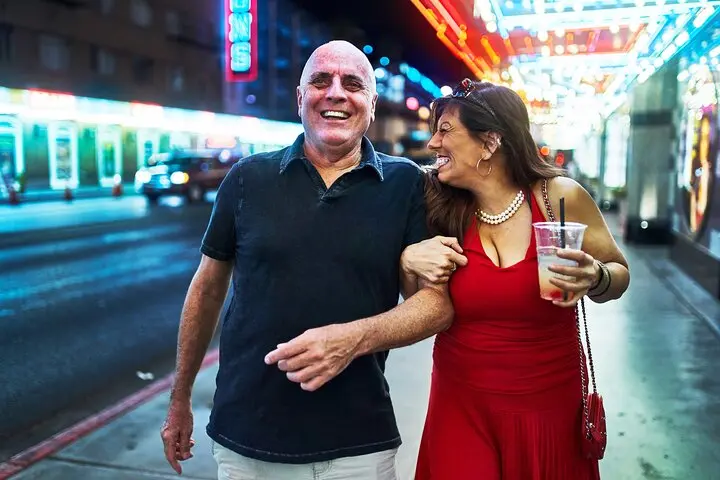
Expect flat, continuous sidewalks and heavy pedestrian traffic; the environment is urban, bright, and loud. The tour is accessible — minimal elevation gain, frequent curb cuts, and a measured walking pace for general fitness levels. Guides provide local stories: architecture cues, bite-sized history, and practical routing to avoid crowds or catch the fountains on schedule. Bottled water and snacks are included; bring an ID for casino entry if you plan to duck inside.
Plan for dusk or evening to see the displays at full effect; during summer, heat and crowded sidewalks slow progress — hydrate and wear sturdy shoes. The experience is less about strenuous exertion and more about context: a compact, interpretive walk that helps this engineered landscape make sense while you move through it.
The meeting point is the ARIA Resort & Casino lobby; the route is a loop or out-and-back that returns to ARIA in about 90 minutes.
Yes — sidewalks and curbs are stroller-friendly and the pace is family-oriented; note casino interiors have age restrictions.
This guided walk focuses on exteriors and history; brief interior stops are possible but admissions or show tickets are not included.
The Strip route is largely wheelchair accessible with curb cuts and ramps; notify when booking so guides can adapt the pace and routing.
Another Side Of Las Vegas Tours operates guided outdoor trips and adventures with an emphasis on safety, stewardship, and memorable experiences.
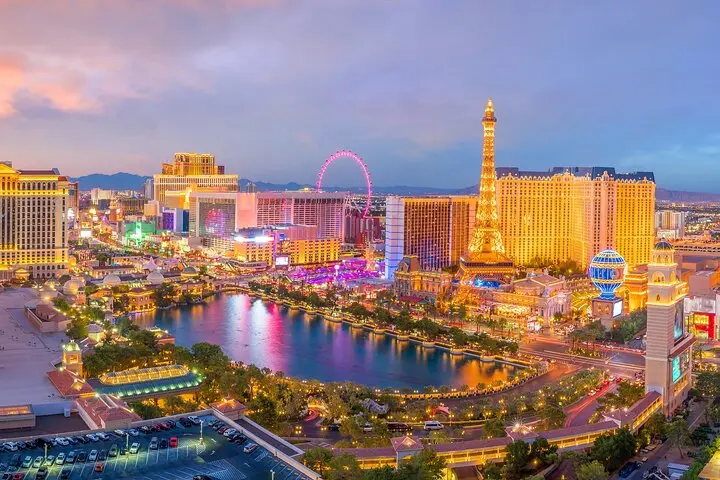
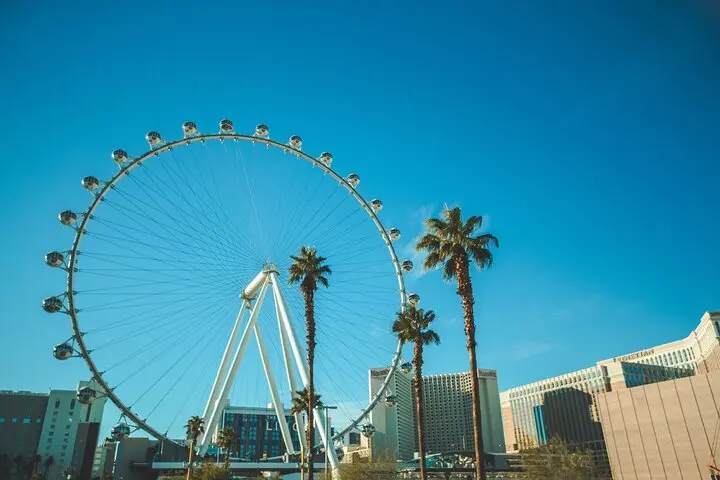
The Strip arrives before you: a ribbon of light and glass laid across the Mojave evening. Starting in the ARIA lobby, your guide leads a steady, 2-mile (3 km) route past Bellagio’s fountain basin, the pseudo-Paris skyline, Caesars’ Colosseum façade, The LINQ and its High Roller, and on toward the Mirage — each frontage a chapter of Las Vegas’ public stage.
The Strip arrives before you: a ribbon of light and glass laid across the Mojave evening. Starting in the ARIA lobby, your guide leads a steady, 2-mile (3 km) route past Bellagio’s fountain basin, the pseudo-Paris skyline, Caesars’ Colosseum façade, The LINQ and its High Roller, and on toward the Mirage — each frontage a chapter of Las Vegas’ public stage.
This corridor sits on the Las Vegas Valley floor, a basin carved by ancient runoff and now paved over with neon and concrete. The Strip’s modern identity grew from 20th-century hotel-casinos and postwar spectacle: Rat Pack-era lounges, themed resorts of the 1990s, and a civic drive toward mega-entertainment. Geologically, the valley is part of the Basin and Range province; culturally, the Strip is a deliberate landscape of spectacle designed to draw the eye and the wallet.
Expect flat, continuous sidewalks and heavy pedestrian traffic; the environment is urban, bright, and loud. The tour is accessible — minimal elevation gain, frequent curb cuts, and a measured walking pace for general fitness levels. Guides provide local stories: architecture cues, bite-sized history, and practical routing to avoid crowds or catch the fountains on schedule. Bottled water and snacks are included; bring an ID for casino entry if you plan to duck inside.
Plan for dusk or evening to see the displays at full effect; during summer, heat and crowded sidewalks slow progress — hydrate and wear sturdy shoes. The experience is less about strenuous exertion and more about context: a compact, interpretive walk that helps this engineered landscape make sense while you move through it.