THE ADVENTURE COLLECTIVE® · Independent discovery and booking for outdoor travel

Walk Lisbon’s historic core with a private guide, tasting pastéis de nata and local wines while exploring Rossio, Alfama and Chiado. This 3.5‑hour tour blends city history, viewpoints and food stops for a compact introduction to Lisbon’s neighborhoods.
Walk Lisbon’s historic core with a private guide, tasting pastéis de nata and local wines while exploring Rossio, Alfama and Chiado. This 3.5‑hour tour blends city history, viewpoints and food stops for a compact introduction to Lisbon’s neighborhoods.
You meet your guide on the checkerboard stones of Rossio as trams creak up steep streets and the air smells faintly of cinnamon and warm butter. The tour moves at walking pace—through plazas where history paused and through alleys that still hold Moorish echoes—stopping for a pastel de nata and a glass of wine that feel like a local’s welcome.
Verified experiences and guided adventures in the surrounding area.
Operated by Friendly Local Guides · Lisbon, Lisboa
You meet your guide on the checkerboard stones of Rossio as trams creak up steep streets and the air smells faintly of cinnamon and warm butter. The tour moves at walking pace—through plazas where history paused and through alleys that still hold Moorish echoes—stopping for a pastel de nata and a glass of wine that feel like a local’s welcome.
Lisbon’s downtown sits on seven hills carved from ancient marine sediments and granite outcrops; the cityscape is a patchwork of Pombaline facades, Gothic ruins, and tiled nineteenth‑century theatres. Alfama preserves layers of Moorish urbanism and Fado’s sorrowful songs, while Chiado records 19th‑century literary ferment and café culture. Praça do Comércio opens onto the Tagus, where ships once left for the Age of Discovery.
Expect narrow cobbles, sharp staircases and frequent viewpoints—Miradouro de São Pedro de Alcântara and the castle promontory dominate the skyline. The guide weaves political history with practical tips on where to explore after the walk.
Practical guidance: wear supportive walking shoes with good soles for uneven, often sloping cobbles; carry a small bottle of water and a light jacket for coastal wind; plan for roughly 3.5 hours on foot and several short photo stops. Mobility constraints or heavy luggage can make the route difficult; ask the operator about a modified itinerary if needed. Morning tours are cooler and less crowded; evenings bring golden light but more tourists at popular lookouts.
The tour includes a pastel de nata pastry and wine tasting as described; additional tapas or meals are at your own expense.
Yes—contact the operator before booking to request a modified route; some steep stair sections can be avoided with alternate streets.
Families with older children can enjoy the tour, but very young children or strollers are difficult on cobbled, sloped streets.
Private guides usually operate in several languages—confirm at booking to ensure your preferred language is available.
Friendly Local Guides operates guided outdoor trips and adventures with an emphasis on safety, stewardship, and memorable experiences.


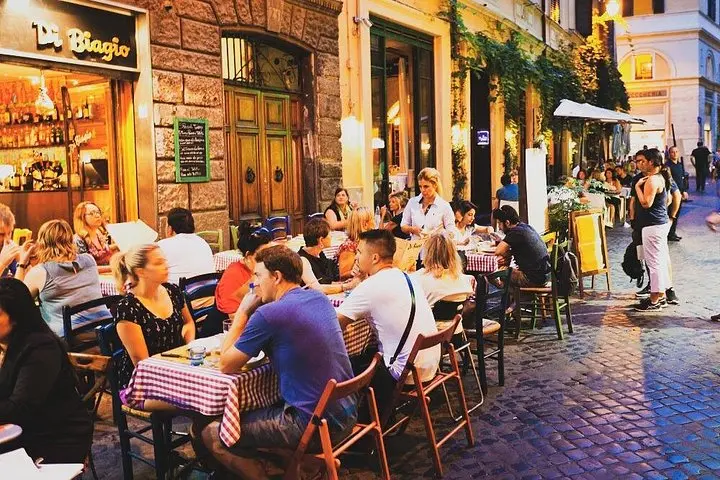
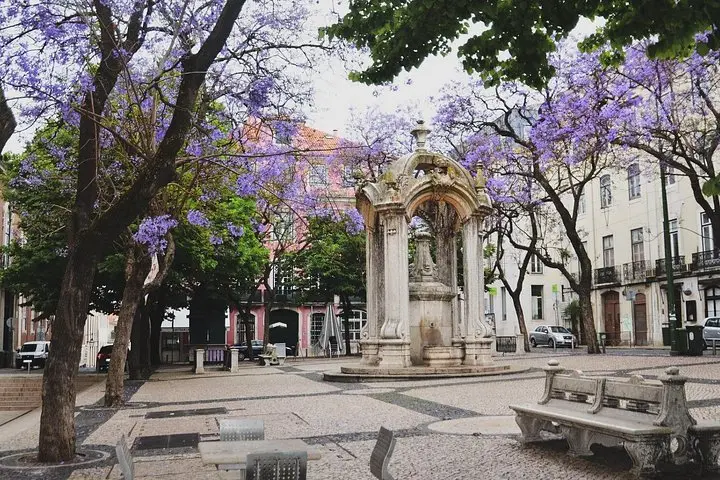
You meet your guide on the checkerboard stones of Rossio as trams creak up steep streets and the air smells faintly of cinnamon and warm butter. The tour moves at walking pace—through plazas where history paused and through alleys that still hold Moorish echoes—stopping for a pastel de nata and a glass of wine that feel like a local’s welcome.
You meet your guide on the checkerboard stones of Rossio as trams creak up steep streets and the air smells faintly of cinnamon and warm butter. The tour moves at walking pace—through plazas where history paused and through alleys that still hold Moorish echoes—stopping for a pastel de nata and a glass of wine that feel like a local’s welcome.
Lisbon’s downtown sits on seven hills carved from ancient marine sediments and granite outcrops; the cityscape is a patchwork of Pombaline facades, Gothic ruins, and tiled nineteenth‑century theatres. Alfama preserves layers of Moorish urbanism and Fado’s sorrowful songs, while Chiado records 19th‑century literary ferment and café culture. Praça do Comércio opens onto the Tagus, where ships once left for the Age of Discovery.
Expect narrow cobbles, sharp staircases and frequent viewpoints—Miradouro de São Pedro de Alcântara and the castle promontory dominate the skyline. The guide weaves political history with practical tips on where to explore after the walk.
Practical guidance: wear supportive walking shoes with good soles for uneven, often sloping cobbles; carry a small bottle of water and a light jacket for coastal wind; plan for roughly 3.5 hours on foot and several short photo stops. Mobility constraints or heavy luggage can make the route difficult; ask the operator about a modified itinerary if needed. Morning tours are cooler and less crowded; evenings bring golden light but more tourists at popular lookouts.