THE ADVENTURE COLLECTIVE® · Independent discovery and booking for outdoor travel

Escape London for a private day that pairs Bath’s Georgian streets and Roman Baths with the ancient stones of Stonehenge. Expect 10 hours of easy walking, striking geology, and a compact mix of history and landscape.
Escape London for a private day that pairs Bath’s Georgian streets and Roman Baths with the ancient stones of Stonehenge. Expect 10 hours of easy walking, striking geology, and a compact mix of history and landscape.
You step out of London traffic into rolling lanes and chalk downland, the city’s hum replaced by a wind that seems to carry stories. The first hour eases you into the Mendip foothills; Bath’s honeystone terraces appear like a careful fold in the landscape. A walk through its compact center puts Georgian crescents, the Roman Baths and the Abbey within easy reach, each layered with human handiwork from Roman engineering to 18th-century urban planning.
Verified experiences and guided adventures in the surrounding area.
Operated by Global Guide Services · Bath, Somerset
You step out of London traffic into rolling lanes and chalk downland, the city’s hum replaced by a wind that seems to carry stories. The first hour eases you into the Mendip foothills; Bath’s honeystone terraces appear like a careful fold in the landscape. A walk through its compact center puts Georgian crescents, the Roman Baths and the Abbey within easy reach, each layered with human handiwork from Roman engineering to 18th-century urban planning.
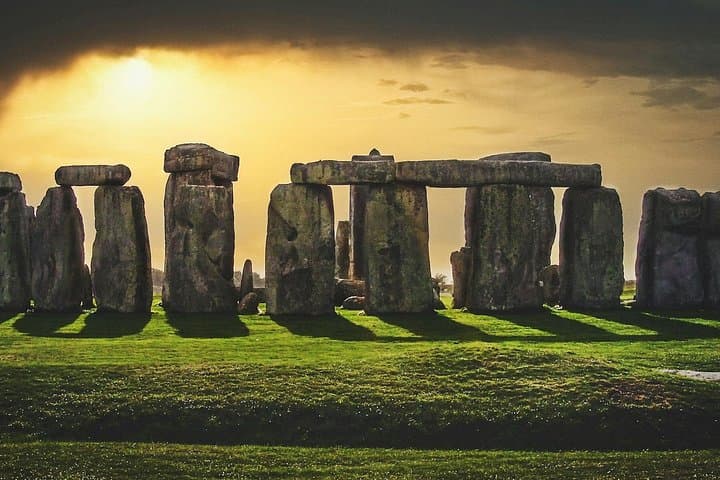
Geology here is plain to see: Bath’s thermal springs owe their warmth to deep faults and circulating groundwater; the honey-colored limestone of the city is Somerset’s oolitic sandstone. Later, on Salisbury Plain, the Stonehenge stones rise from chalk — bluestones transported from Wales and sarsens quarried locally — leaving archaeologists debating ritual, astronomy and engineering for centuries.
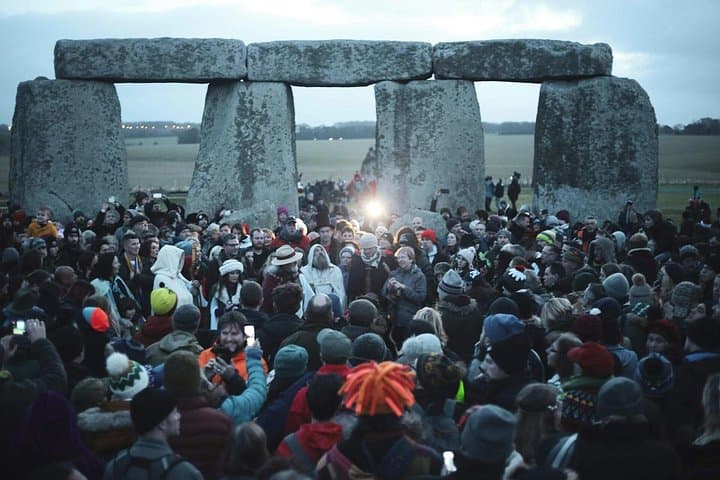
Culturally, Bath grew from a spa town to a Georgian social center; Stonehenge sits at the center of prehistoric landscapes that include barrows and linear earthworks. Local guides emphasize respect for fragile turf and restricted access near the stones.
Practical guidance: expect a full day—roughly 10 hours—with a mix of easy walking on paved streets and exposed paths at Stonehenge. Bring layered clothing, a waterproof, and cash for optional entry to sites if card machines are down. Time your visit for morning or late afternoon to avoid peak coach arrivals and allow relaxed photography. The private format gives flexibility, but entrances and access depend on availability — plan ahead if you want to enter the Roman Baths or the Stonehenge visitor center.
No—this private tour provides transport and a driver but does not include entrance fees; bring cash or card for admissions if you plan to enter sites.
Pickups are typically from central London locations specified at booking; private pickup points can sometimes be arranged—confirm with the operator.
The tour is physically easy, but Stonehenge terrain is uneven; infants can travel in strollers but some walking requires firm footwear—notify the operator of accessibility needs in advance.
Entrances are subject to availability and may require additional fees; the tour can usually stop for self-guided visits but plan ahead if entry is essential.
Global Guide Services operates guided outdoor trips and adventures with an emphasis on safety, stewardship, and memorable experiences.


You step out of London traffic into rolling lanes and chalk downland, the city’s hum replaced by a wind that seems to carry stories. The first hour eases you into the Mendip foothills; Bath’s honeystone terraces appear like a careful fold in the landscape. A walk through its compact center puts Georgian crescents, the Roman Baths and the Abbey within easy reach, each layered with human handiwork from Roman engineering to 18th-century urban planning.
You step out of London traffic into rolling lanes and chalk downland, the city’s hum replaced by a wind that seems to carry stories. The first hour eases you into the Mendip foothills; Bath’s honeystone terraces appear like a careful fold in the landscape. A walk through its compact center puts Georgian crescents, the Roman Baths and the Abbey within easy reach, each layered with human handiwork from Roman engineering to 18th-century urban planning.
Geology here is plain to see: Bath’s thermal springs owe their warmth to deep faults and circulating groundwater; the honey-colored limestone of the city is Somerset’s oolitic sandstone. Later, on Salisbury Plain, the Stonehenge stones rise from chalk — bluestones transported from Wales and sarsens quarried locally — leaving archaeologists debating ritual, astronomy and engineering for centuries.
Culturally, Bath grew from a spa town to a Georgian social center; Stonehenge sits at the center of prehistoric landscapes that include barrows and linear earthworks. Local guides emphasize respect for fragile turf and restricted access near the stones.
Practical guidance: expect a full day—roughly 10 hours—with a mix of easy walking on paved streets and exposed paths at Stonehenge. Bring layered clothing, a waterproof, and cash for optional entry to sites if card machines are down. Time your visit for morning or late afternoon to avoid peak coach arrivals and allow relaxed photography. The private format gives flexibility, but entrances and access depend on availability — plan ahead if you want to enter the Roman Baths or the Stonehenge visitor center.