THE ADVENTURE COLLECTIVE® · Independent discovery and booking for outdoor travel

Ride a classic London black taxi through the city’s rock‑and‑roll landmarks — Abbey Road, Tin Pan Alley, Carnaby Street and more — with a driver-guide who tells the stories behind the façades. Ideal for music fans who want photo stops and insider anecdotes.
Ride a classic London black taxi through the city’s rock‑and‑roll landmarks — Abbey Road, Tin Pan Alley, Carnaby Street and more — with a driver-guide who tells the stories behind the façades. Ideal for music fans who want photo stops and insider anecdotes.
You step out into a bright London morning and a classic black taxi waits, its glass roof catching the city’s shifting light like a stage spotlight. The driver-guide eases into traffic, and suddenly the city begins to perform — narrow streets that hosted late-night auditions, a zebra crossing that froze a photo for a generation, shopfronts still selling vinyl.
Verified experiences and guided adventures in the surrounding area.
Operated by London Sightseeing Tours · London, Greater London
You step out into a bright London morning and a classic black taxi waits, its glass roof catching the city’s shifting light like a stage spotlight. The driver-guide eases into traffic, and suddenly the city begins to perform — narrow streets that hosted late-night auditions, a zebra crossing that froze a photo for a generation, shopfronts still selling vinyl.
London’s rock-and-roll geography is as much social history as it is a map: Soho clubs of the 1950s and 60s gave early acts a foothold, Abbey Road became a global icon in 1969, and Denmark Street’s instrument shops forged careers. Underneath the urban fabric, London’s clay and the River Thames shaped routes and neighborhoods that music scenes then inhabited; venues clustered where foot traffic and cheap rooms met restless creativity.
Culturally this is a rolling museum of anecdotes — Paul McCartney’s rowhouse façades, Tin Pan Alley’s cramped shops, Carnaby Street’s swinging-era storefronts — all observed from outside with chances to hop out for photos and quick stretches. Guides often add local color: which pub hosted a first gig, or where a midnight jam turned into a record deal.
Practical guidance: tours last about four hours, include pickup within roughly five miles of Trafalgar Square, and are wheelchair accessible. Wear comfortable shoes for short walks, bring a compact camera, and plan for London traffic and weather; afternoons can be busiest. If you want extended stops at Abbey Road or shops, request them when booking so the route is tailored. This trip trades ticketed entries for concentrated street-level storytelling — ideal for music fans who want the story behind the famous façades.
Pickup and drop‑off are included within five miles of Trafalgar Square; confirm the exact address when booking.
Yes — the itinerary includes stops at Abbey Road with time for photos and to recreate the crossing; longer requests should be arranged in advance.
Yes — the TXE black taxis used are wheelchair accessible and most sidewalks on the route accommodate mobility devices; notify the operator of specific needs when booking.
No — the tour shows sites from outside and does not include entry to private venues or museums; souvenirs and optional purchases are extra.
London Sightseeing Tours operates guided outdoor trips and adventures with an emphasis on safety, stewardship, and memorable experiences.

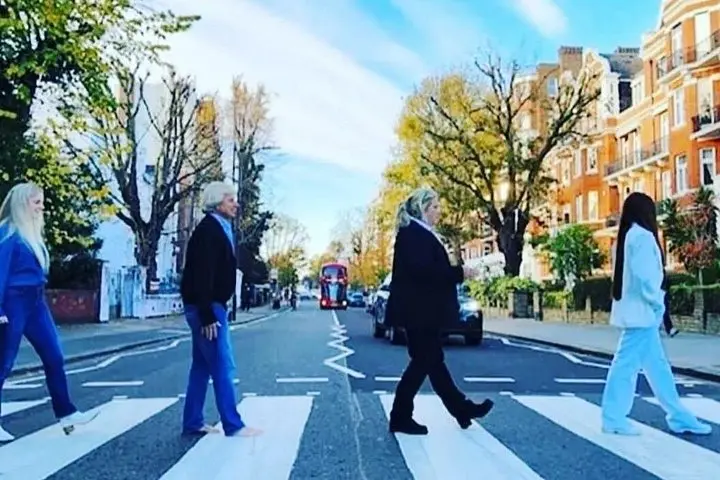

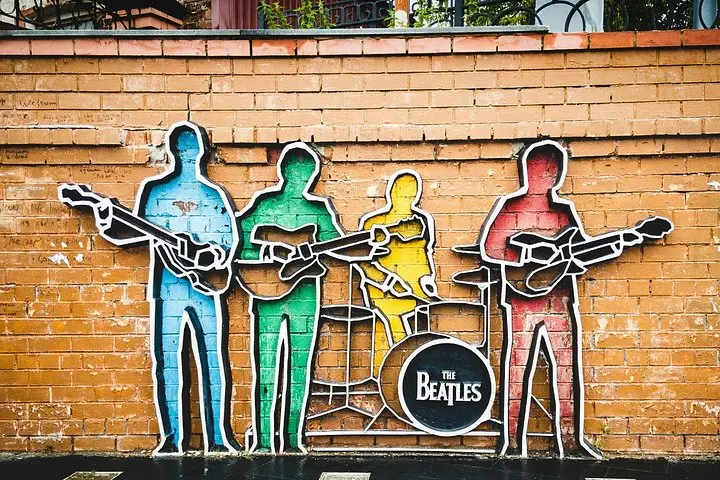
You step out into a bright London morning and a classic black taxi waits, its glass roof catching the city’s shifting light like a stage spotlight. The driver-guide eases into traffic, and suddenly the city begins to perform — narrow streets that hosted late-night auditions, a zebra crossing that froze a photo for a generation, shopfronts still selling vinyl.
You step out into a bright London morning and a classic black taxi waits, its glass roof catching the city’s shifting light like a stage spotlight. The driver-guide eases into traffic, and suddenly the city begins to perform — narrow streets that hosted late-night auditions, a zebra crossing that froze a photo for a generation, shopfronts still selling vinyl.
London’s rock-and-roll geography is as much social history as it is a map: Soho clubs of the 1950s and 60s gave early acts a foothold, Abbey Road became a global icon in 1969, and Denmark Street’s instrument shops forged careers. Underneath the urban fabric, London’s clay and the River Thames shaped routes and neighborhoods that music scenes then inhabited; venues clustered where foot traffic and cheap rooms met restless creativity.
Culturally this is a rolling museum of anecdotes — Paul McCartney’s rowhouse façades, Tin Pan Alley’s cramped shops, Carnaby Street’s swinging-era storefronts — all observed from outside with chances to hop out for photos and quick stretches. Guides often add local color: which pub hosted a first gig, or where a midnight jam turned into a record deal.
Practical guidance: tours last about four hours, include pickup within roughly five miles of Trafalgar Square, and are wheelchair accessible. Wear comfortable shoes for short walks, bring a compact camera, and plan for London traffic and weather; afternoons can be busiest. If you want extended stops at Abbey Road or shops, request them when booking so the route is tailored. This trip trades ticketed entries for concentrated street-level storytelling — ideal for music fans who want the story behind the famous façades.